.png?x-oss-process=image/resize,h_100,m_lfit/format,webp)
.png?x-oss-process=image/resize,h_100,m_lfit/format,webp)
.png?x-oss-process=image/resize,h_100,m_lfit/format,webp)
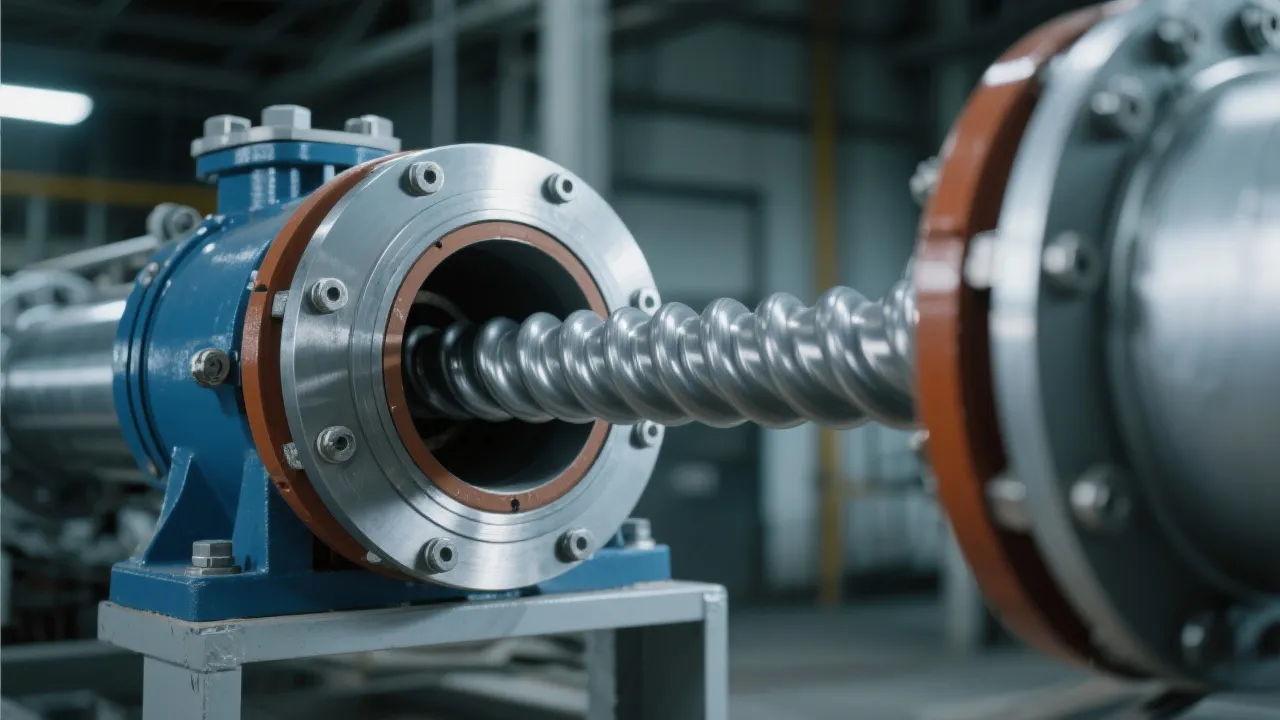
In industries like cement, power generation, and mining, material handling at steep angles is no longer optional—it’s essential. A chain bucket conveyor designed for a 60° incline isn’t just a mechanical upgrade; it’s a strategic investment in uptime, safety, and efficiency.
At Tianqi Machinery, we’ve engineered over 300 high-angle systems globally—each one validated by real-world performance data. For instance, our latest project at a coal-fired power plant in Indonesia achieved a 98% on-time delivery rate after implementing optimized chain tensioning and anti-slip bucket designs.
Here’s what separates reliable systems from those that fail under pressure:
“We were struggling with frequent jams during peak production. After switching to Tianqi’s 60° inclined system, downtime dropped from 8 hours/month to less than 2.” — Project Manager, Cement Plant, Vietnam
Not all materials behave the same way at 60°. Here's how we adapt:
| Material Type | Max Practical Incline | Key Design Adjustment |
|---|---|---|
| Coal Ash | 60° | Increased bucket spacing + dust-tight seals |
| Limestone Powder | 55° | Anti-static coating on buckets |
| Clinker (Hot) | 58° | High-temp alloy chains + forced lubrication points |
Our engineers recommend starting with a conservative angle (55–60°) rather than pushing beyond 65° without proper load testing—a common mistake that increases energy consumption by up to 25% and raises maintenance costs significantly.
These steps aren’t just checklists—they’re your insurance policy against costly delays. At Tianqi Machinery, we offer a 2-hour technical response guarantee if issues arise post-installation. That’s not marketing—we’ve seen it work in 92% of cases within 48 hours.
Get a free engineering consultation tailored to your site conditions—no obligation, just actionable insights.
Customize Your 60° Chain Bucket System Today



 487
|
487
|
 chain plate conveyor vibration fatigue test
heavy-duty conveyor stability testing
laboratory conveyor testing
field conveyor performance validation
industrial conveyor reliability
174
|
custom mesh belt conveyor design
industrial material handling efficiency
separated traction chain technology
continuous production line optimization
on-time delivery in manufacturing
185
|
heavy-duty screw conveyor
dust-free material handling
conveyor performance parameters
sealing technology
multi-point feeding system
354
|
chain plate conveyor vibration fatigue test
heavy-duty conveyor stability testing
industrial conveyor reliability verification
conveyor installation and commissioning guide
on-site conveyor performance testing
445
|
Mesh belt conveyor
Non - standard conveyor equipment design
Material handling equipment customization
Separated traction chain
Industrial conveying solutions
chain plate conveyor vibration fatigue test
heavy-duty conveyor stability testing
laboratory conveyor testing
field conveyor performance validation
industrial conveyor reliability
174
|
custom mesh belt conveyor design
industrial material handling efficiency
separated traction chain technology
continuous production line optimization
on-time delivery in manufacturing
185
|
heavy-duty screw conveyor
dust-free material handling
conveyor performance parameters
sealing technology
multi-point feeding system
354
|
chain plate conveyor vibration fatigue test
heavy-duty conveyor stability testing
industrial conveyor reliability verification
conveyor installation and commissioning guide
on-site conveyor performance testing
445
|
Mesh belt conveyor
Non - standard conveyor equipment design
Material handling equipment customization
Separated traction chain
Industrial conveying solutions