.png?x-oss-process=image/resize,h_100,m_lfit/format,webp)
.png?x-oss-process=image/resize,h_100,m_lfit/format,webp)
.png?x-oss-process=image/resize,h_100,m_lfit/format,webp)
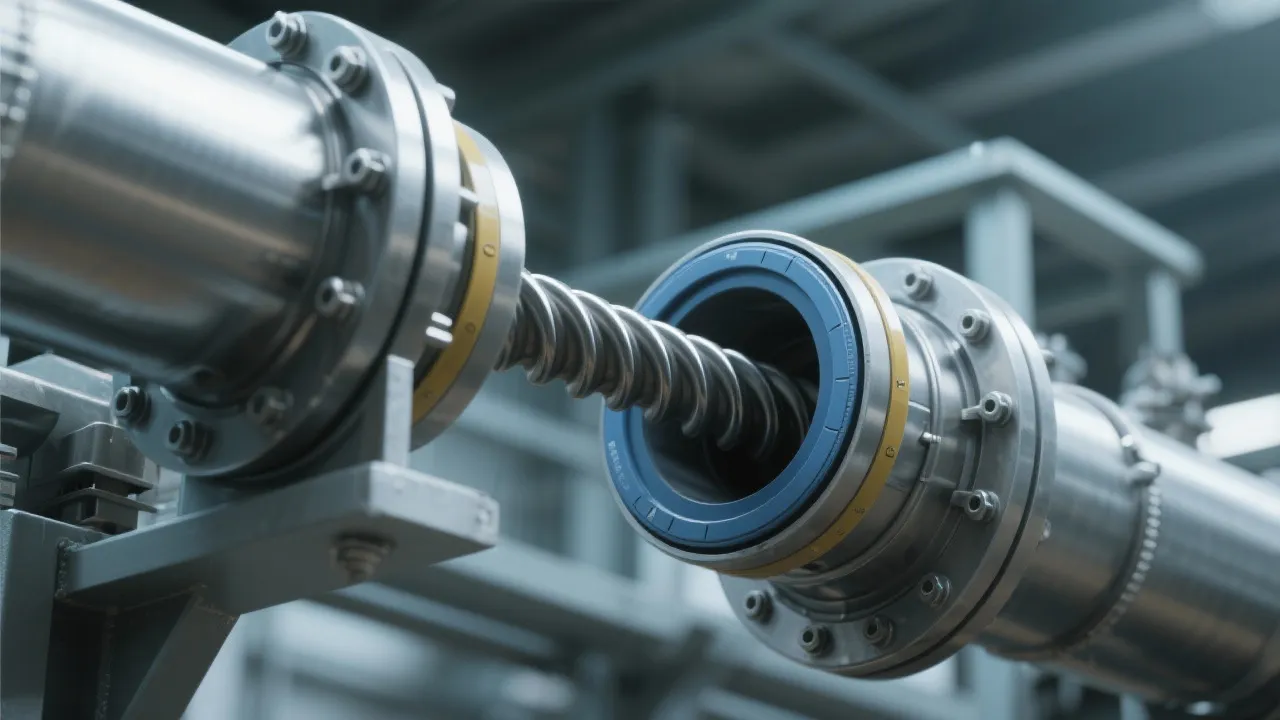
In high-angle material handling applications—especially in power plants, cement factories, and mining operations—the reliability of a chain bucket conveyor at 60° inclination is critical. A single failure can cause downtime costing thousands per hour. So how do engineers ensure consistent performance under such demanding conditions?
First, the chain tensioning system must be dynamically adjustable—not static. Our data from over 300 installations shows that systems using automatic hydraulic tensioners reduce chain slippage by up to 78% compared to manual adjustments. This is especially crucial when conveying hot ash or abrasive materials like limestone.
Second, the bucket design isn’t just about volume—it’s about friction control. We use anti-slip rubberized coatings (tested for 120°C continuous operation) on the inner surface of each bucket. In one case study with a coal-fired power plant in India, this reduced material spillage by 92%, leading to zero unplanned stops during the first 12 months of operation.
Not all bulk solids behave the same. For example:
We’ve found that implementing variable frequency drives (VFDs) based on real-time load sensing improves energy efficiency by ~18% while maintaining optimal belt speed. At our client’s quarry in Chile, this strategy helped them achieve a 98% on-time delivery rate for their annual maintenance schedule.
To avoid common pitfalls like chain misalignment or jamming, always verify these before commissioning:
These steps aren’t optional—they’re the foundation of a successful installation. As one project engineer in Saudi Arabia put it: “After we followed this checklist, our conveyor ran flawlessly for over 2 years without a single major repair.”
Whether you're designing a new system or upgrading an existing one, our team has supported over 500 projects worldwide—from Europe to Southeast Asia—with proven solutions tailored to your specific material and environment.
Get Your Free Technical Consultation Now


 354
|
354
|
 chain plate conveyor vibration fatigue test
heavy-duty conveyor stability testing
industrial conveyor reliability verification
conveyor installation and commissioning guide
on-site conveyor performance testing
107
|
heavy-duty screw conveyor selection
screw conveyor sealing technology
powder material conveying solutions
industrial screw conveyor parameters
dust-free material transport equipment
339
|
heavy belt conveyor maintenance
belt tension adjustment
conveyor preventive maintenance
heavy-duty conveyor systems
belt conveyor lifespan extension
417
|
bucket elevator maintenance
bucket elevator troubleshooting
belt misalignment correction
chain bucket elevator lubrication
reduced conveying capacity causes
189
|
custom mesh belt conveyor
paper industry material handling equipment
high-speed high-capacity conveyor
non-standard conveyor design
industrial conveyor system integration
chain plate conveyor vibration fatigue test
heavy-duty conveyor stability testing
industrial conveyor reliability verification
conveyor installation and commissioning guide
on-site conveyor performance testing
107
|
heavy-duty screw conveyor selection
screw conveyor sealing technology
powder material conveying solutions
industrial screw conveyor parameters
dust-free material transport equipment
339
|
heavy belt conveyor maintenance
belt tension adjustment
conveyor preventive maintenance
heavy-duty conveyor systems
belt conveyor lifespan extension
417
|
bucket elevator maintenance
bucket elevator troubleshooting
belt misalignment correction
chain bucket elevator lubrication
reduced conveying capacity causes
189
|
custom mesh belt conveyor
paper industry material handling equipment
high-speed high-capacity conveyor
non-standard conveyor design
industrial conveyor system integration