.png?x-oss-process=image/resize,h_100,m_lfit/format,webp)
.png?x-oss-process=image/resize,h_100,m_lfit/format,webp)
.png?x-oss-process=image/resize,h_100,m_lfit/format,webp)
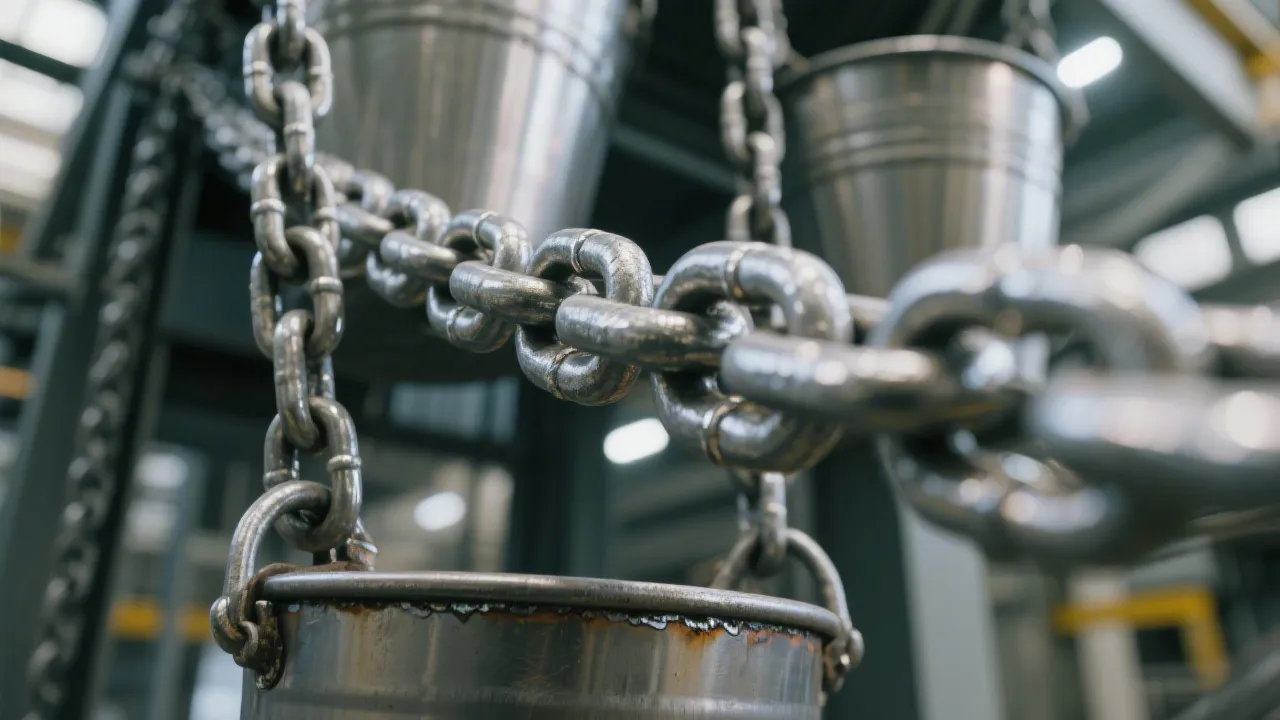
In industrial settings—especially coal-fired power plants and cement facilities—chain bucket elevators are constantly exposed to abrasive materials like boiler ash, slag, and mineral dust. According to a 2023 survey by the International Association of Industrial Maintenance (IAIM), over 72% of chain bucket elevator failures stem from premature wear of the bucket body, not mechanical issues. This isn’t just about downtime—it’s about cost, safety, and operational reliability.
When choosing between high-manganese steel and ceramic composite buckets, consider both material hardness and impact resistance:
A real-world test at a biomass plant in Poland showed that ceramic-composite buckets lasted 3x longer than standard manganese steel when handling ash with 15% coarse particles (>50mm). That’s not just data—it’s reduced maintenance labor, fewer replacements, and less unplanned shutdown time.
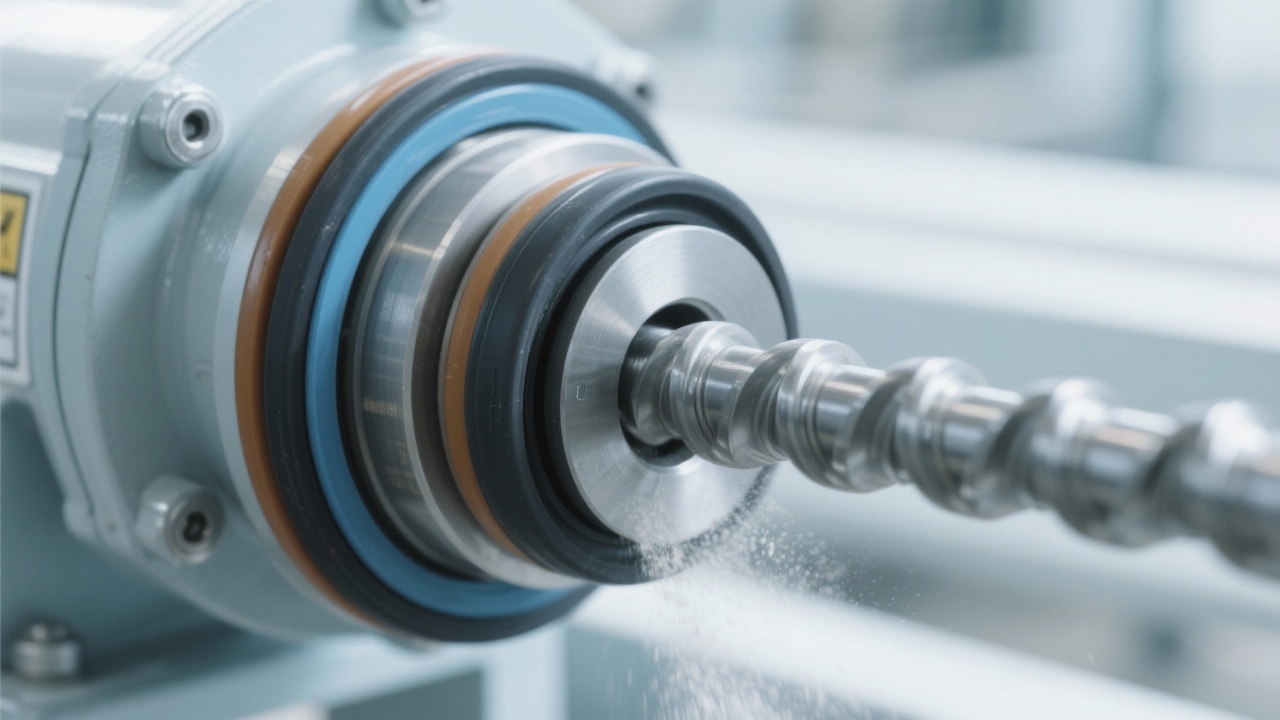
Many engineers overlook this key point: large particles (>50mm) don’t just damage buckets—they accelerate chain elongation and roller fatigue. In one case study, chains failed after only 1,200 operating hours due to embedded grit from worn buckets. Our team found that maintaining bucket integrity can extend chain life by up to 40%, based on field logs from 47 installations globally.
That’s why we recommend a tiered inspection schedule:
| Material Type | Recommended Inspection Interval | Replacement Trigger |
|---|---|---|
| High-Manganese Steel | Every 500 hrs | Visible wear > 3mm or cracks |
| Ceramic Composite | Every 1,000 hrs | Spalling or delamination detected |
These intervals aren’t arbitrary—they’re based on 12 years of service experience with over 1,200 units worldwide. We’ve helped clients reduce unexpected repairs by an average of 63% through structured preventive checks.
Your turn: What’s your typical particle size range? And which component wears out fastest in your setup? Share below—we’ll respond personally to every comment to build smarter solutions together.

Explore how our custom-engineered chain bucket elevators—with proven ceramic composite buckets—are helping global operators achieve 98% on-time delivery while minimizing wear-related downtime.
See Real Results from Our Clients →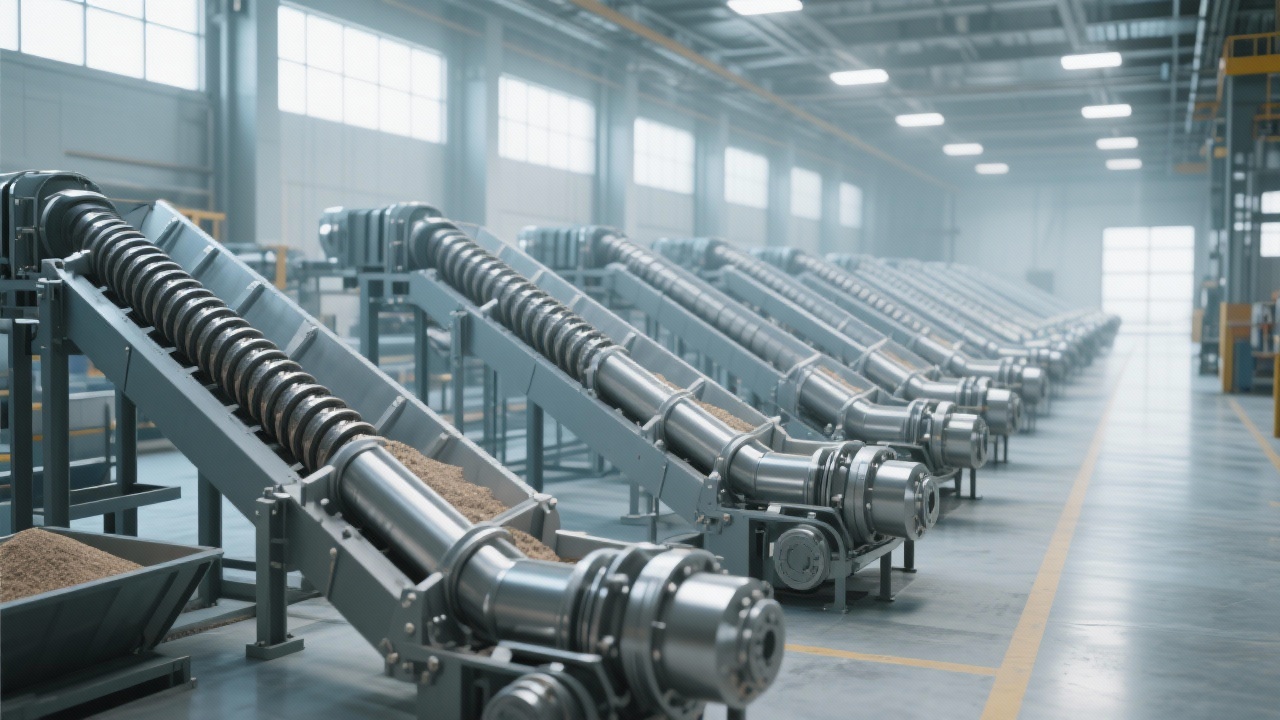


 365
|
365
|
 bucket elevator working principle
bucket elevator selection guide
chain bucket elevator vs belt bucket elevator
vertical conveying of powder materials
bucket elevator industry applications
205
|
bucket elevator selection
chain bucket elevator vs belt bucket elevator
28-80 m bucket elevator
bulk material vertical conveying
bucket elevator capacity 34-491 m3h
341
|
chain bucket conveyor wear parts
high wear material handling
boiler ash conveyor
slag handling equipment
ceramic composite bucket liner
47
|
Mesh belt conveyor
Customized design
Material conveying equipment
On - time delivery
High - efficiency continuous operation
139
|
chain conveyor load testing
vibration fatigue test
industrial conveyor reliability
heavy-duty conveyor system
conveyor synchronization calibration
bucket elevator working principle
bucket elevator selection guide
chain bucket elevator vs belt bucket elevator
vertical conveying of powder materials
bucket elevator industry applications
205
|
bucket elevator selection
chain bucket elevator vs belt bucket elevator
28-80 m bucket elevator
bulk material vertical conveying
bucket elevator capacity 34-491 m3h
341
|
chain bucket conveyor wear parts
high wear material handling
boiler ash conveyor
slag handling equipment
ceramic composite bucket liner
47
|
Mesh belt conveyor
Customized design
Material conveying equipment
On - time delivery
High - efficiency continuous operation
139
|
chain conveyor load testing
vibration fatigue test
industrial conveyor reliability
heavy-duty conveyor system
conveyor synchronization calibration