.png?x-oss-process=image/resize,h_100,m_lfit/format,webp)
.png?x-oss-process=image/resize,h_100,m_lfit/format,webp)
.png?x-oss-process=image/resize,h_100,m_lfit/format,webp)
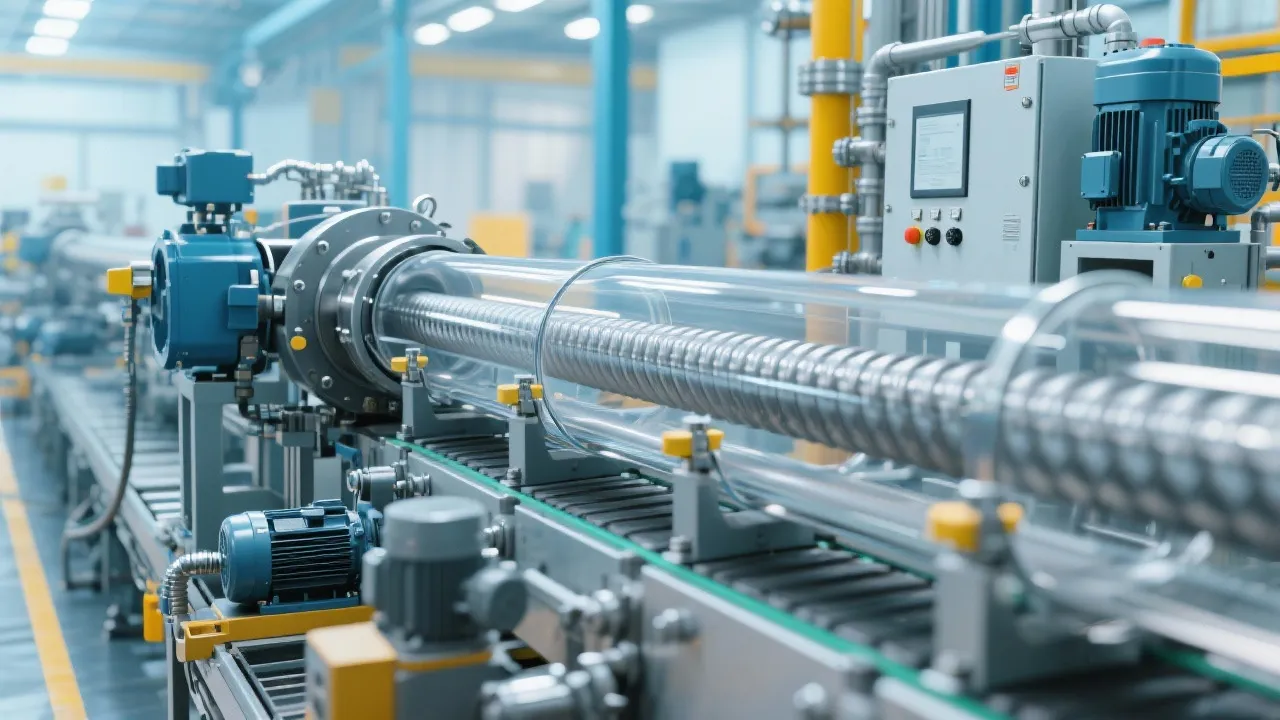
In the complex landscape of industrial material handling, few pieces of equipment are as critical yet often misunderstood as bucket elevators. These vertical transportation systems form the backbone of production lines across mining, chemical processing, food production, and construction industries, quietly moving everything from grains to gravel with remarkable efficiency. However, the true measure of a bucket elevator's performance lies not in its individual components but in how precisely its two most critical parameters—lifting height and conveying capacity—work in harmony.
When specifying a bucket elevator, industrial operators face a fundamental challenge: how to match lifting heights ranging from 28 to 80 meters with conveying capacities spanning 34 to 491 cubic meters per hour. This isn't merely a matter of choosing larger motors or stronger components; it's about creating a system where every element—from bucket design to drive configuration—works in optimal balance.
Consider this: A mining operation requiring 450 m³/h capacity at 60 meters height faces entirely different engineering challenges than a grain facility needing 50 m³/h at 30 meters. Mismatched parameters don't just reduce efficiency—they can lead to catastrophic equipment failure, unscheduled downtime, and significantly increased energy consumption. Industry studies show that improperly matched bucket elevator systems typically consume 18-25% more energy than optimally configured ones, while maintenance costs can increase by as much as 35%.
"Our quarry operation was struggling with frequent chain failures and inconsistent material flow until we reconfigured our bucket elevator to properly match our 52-meter lift height with our actual production needs. The result was a 22% reduction in energy costs and a 67% decrease in unplanned maintenance over six months."
— Mining Operations Manager, Western Australia
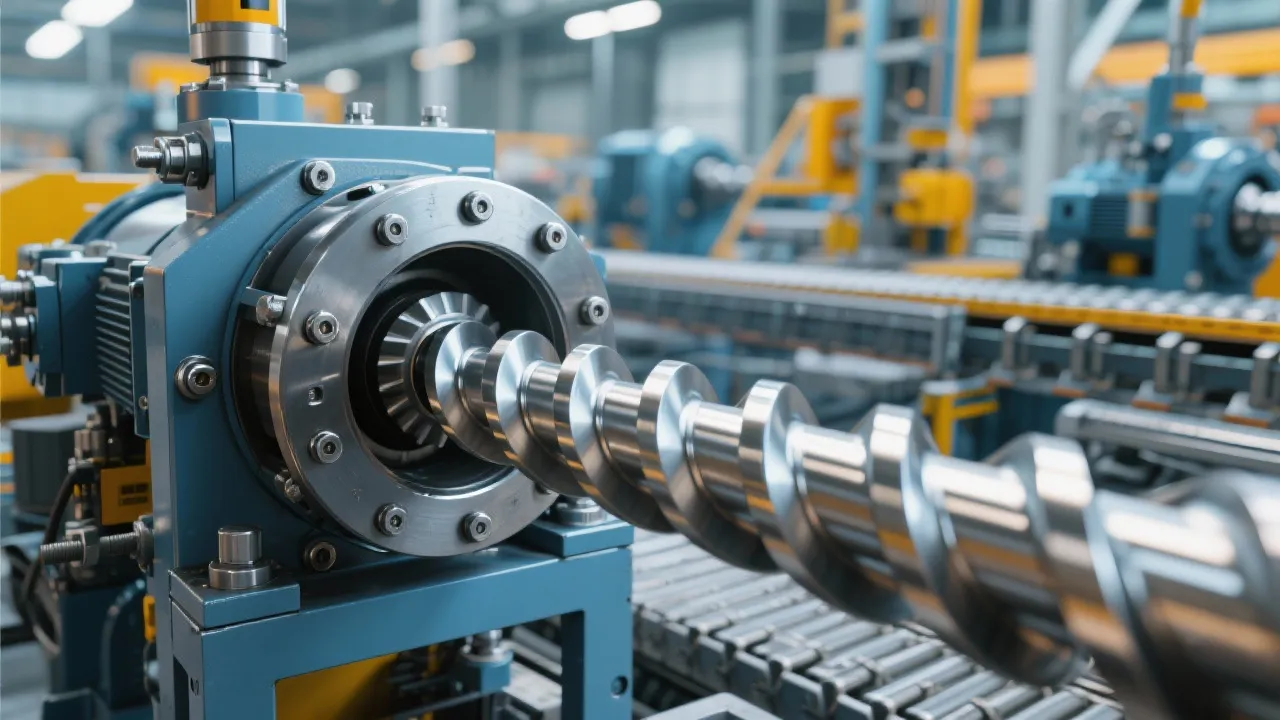
The first critical decision in bucket elevator specification is choosing between chain-driven and belt-driven systems. Each technology offers distinct advantages depending on your industry, material characteristics, and operational requirements.
| Performance Characteristic | Chain-Driven Elevators | Belt-Driven Elevators |
|---|---|---|
| Typical Capacity Range | 100-491 m³/h | 34-250 m³/h |
| Maximum Lift Height | Up to 80 meters | Up to 60 meters |
| Ideal Material Types | Heavy, abrasive materials (minerals, ores, aggregates) | Light to medium, non-abrasive materials (grains, chemicals, pellets) |
| Maintenance Requirements | Higher (lubrication, tension adjustment) | Lower (no lubrication needed) |
| Energy Efficiency | Lower (heavier drive components) | Higher (lighter construction) |
| Typical Industry Applications | Mining, construction, heavy industry | Food processing, agriculture, chemical handling |
Chain-driven bucket elevators excel in demanding environments where heavy, abrasive materials must be lifted to significant heights. The robust construction of roller chains or pintle chains provides the tensile strength needed for capacities up to 491 m³/h and heights reaching 80 meters. In mining operations, for example, chain-driven systems regularly handle materials with bulk densities exceeding 2,000 kg/m³, operating continuously in harsh conditions with minimal performance degradation.
The key to maximizing chain elevator performance lies in proper chain selection and tensioning. Oversized chains increase energy consumption and wear on drive components, while undersized chains risk premature failure under peak loads. Modern systems incorporate sophisticated tension monitoring systems that automatically adjust for thermal expansion and wear, maintaining optimal performance throughout the equipment's lifespan.
For applications involving lighter, less abrasive materials—or where cleanliness is paramount—belt-driven elevators offer significant advantages. These systems typically consume 15-20% less energy than comparable chain-driven models, thanks to their lighter weight and reduced friction. In food processing facilities, rubber or synthetic belts eliminate the risk of lubricant contamination, while providing smooth, quiet operation essential in noise-sensitive environments.
Advancements in belt technology have expanded their application range, with modern synthetic belts now handling capacities up to 250 m³/h at heights of 60 meters. These belts feature reinforced construction with steel cords or aramid fibers, providing exceptional tensile strength while maintaining flexibility. For chemical processing applications, specialized belts resistant to oils, solvents, and extreme temperatures ensure reliable performance with minimal maintenance.
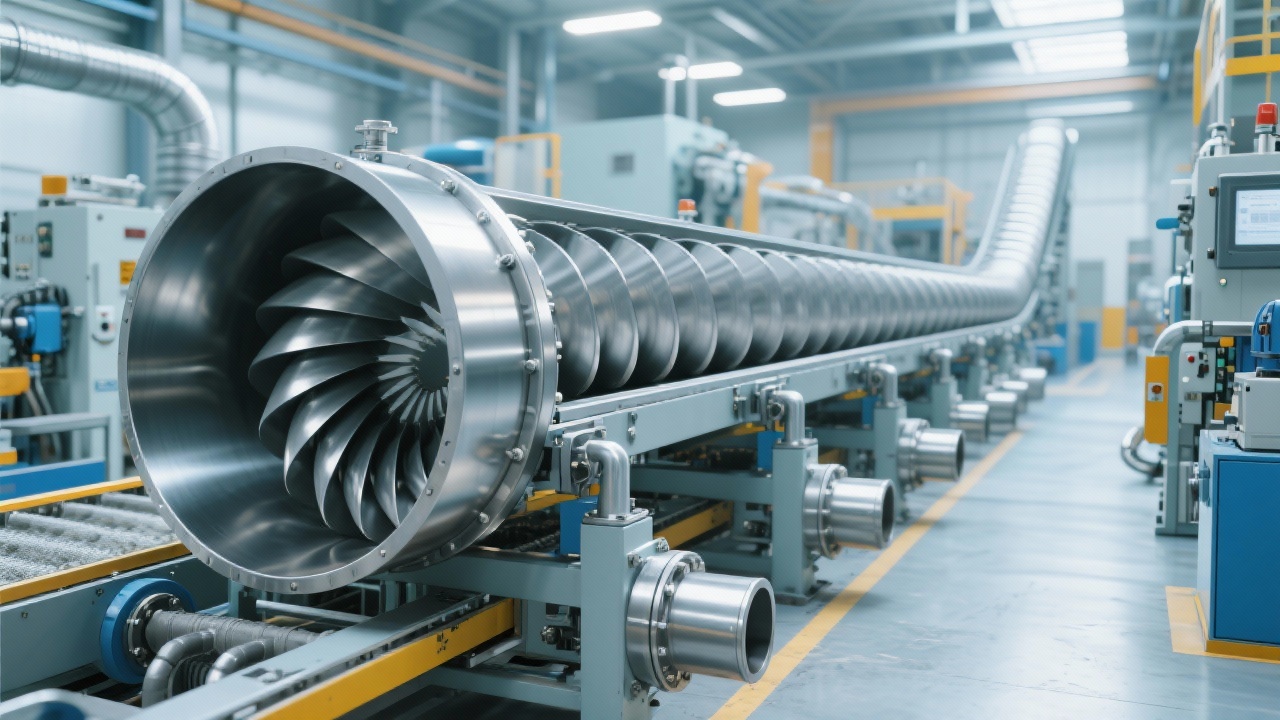
Beyond the fundamental chain vs. belt decision, several key design elements determine how effectively an elevator's height and capacity parameters work together. These interconnected components form a system where each element must be precisely engineered to complement the others.
The design, size, and spacing of buckets directly impact both capacity and energy efficiency. For high-capacity applications, larger buckets with steep back angles minimize material spillage during transit, while smaller, more closely spaced buckets provide gentler handling for fragile materials. The optimal bucket design depends on both material characteristics and flow rate requirements.
Modern bucket design incorporates computational fluid dynamics (CFD) analysis to optimize material flow patterns, reducing energy consumption by up to 12% compared to conventional designs. For cohesive materials prone to bridging, specialized bucket geometries with anti-clogging features ensure consistent flow even at maximum capacity.
Matching drive power to actual system requirements represents one of the most significant opportunities for efficiency gains. A properly sized motor not only reduces energy consumption but also extends component life by avoiding unnecessary stress. Industry data shows that approximately 30% of bucket elevators are operating with oversized motors, resulting in higher initial costs and increased energy expenses over the equipment lifecycle.
Variable frequency drives (VFDs) have revolutionized bucket elevator efficiency, allowing operators to adjust speed and power consumption based on real-time demand. In facilities with variable production schedules, VFD-equipped elevators can reduce energy usage by 25-35% compared to fixed-speed systems, while providing smoother acceleration and deceleration to minimize mechanical stress.
As lift heights increase, structural considerations become increasingly critical. Elevators operating at 80 meters must account for factors like thermal expansion, wind loads, and dynamic forces during start-up and shutdown. Modern designs incorporate finite element analysis (FEA) to optimize structural components, reducing weight while maintaining safety margins.
The integration of advanced monitoring systems further enhances safety and reliability. Load cells, vibration sensors, and temperature monitors provide real-time data on system performance, allowing for predictive maintenance and early detection of potential issues before they escalate into failures.
In today's global industrial marketplace, compliance with international standards is no longer optional but essential. Certifications including ISO 9001 (quality management), ISO 14001 (environmental management), and ISO 45001 (occupational health and safety) demonstrate a manufacturer's commitment to consistent quality and safety.
CE marking, mandatory for equipment sold within the European Economic Area, ensures that bucket elevators meet strict health, safety, and environmental protection requirements. This certification provides assurance that the equipment has been designed and manufactured to minimize risks to operators and facility personnel, even under maximum load conditions.
Beyond regulatory compliance, these certifications often translate directly to operational benefits. ISO 9001-certified manufacturing processes typically result in equipment with 15-20% fewer defects, while ISO 14001 compliance often correlates with more energy-efficient designs. For multinational corporations, standardized certification simplifies equipment specification across global operations, ensuring consistent performance and safety standards regardless of location.
Every industrial facility has unique material handling challenges. The key to maximizing productivity while minimizing costs lies in a bucket elevator system precisely engineered to match your specific height and capacity requirements.
立即获取专属定制方案 →Our team of application engineers will analyze your material characteristics, facility layout, and production goals to design a bucket elevator system that delivers optimal performance, efficiency, and reliability.
The journey toward optimal bucket elevator performance begins with a thorough understanding of your specific application requirements. By carefully analyzing material characteristics, production demands, and facility constraints, you can develop a system where lifting height and conveying capacity work in perfect harmony. Whether your operation requires the rugged durability of a chain-driven system or the energy efficiency of a belt-driven design, the right configuration will deliver measurable benefits in terms of reduced energy consumption, lower maintenance costs, and improved overall productivity.
As industrial processes continue to evolve toward greater automation and efficiency, the role of properly configured material handling equipment becomes increasingly critical. A bucket elevator that precisely matches your height and capacity requirements isn't just a piece of machinery—it's a strategic asset that contributes directly to your bottom line through improved operational efficiency and reduced total cost of ownership.


 215
|
215
|
 custom belt conveyor design
industrial material handling equipment
separable牵引链
high-angle conveyor
on-time delivery rate
417
|
bucket elevator maintenance
bucket elevator troubleshooting
belt misalignment correction
chain bucket elevator lubrication
reduced conveying capacity causes
385
|
custom belt conveyor systems
high-capacity material handling
industrial conveyor solutions
separated chain conveyor design
multi-angle incline conveyors
474
|
Heavy-duty screw conveyor
Dust-free conveying
Sealed conveyor
Industrial dust control
Material conveying equipment
47
|
Mesh belt conveyor
Customized design
Material conveying equipment
On - time delivery
High - efficiency continuous operation
custom belt conveyor design
industrial material handling equipment
separable牵引链
high-angle conveyor
on-time delivery rate
417
|
bucket elevator maintenance
bucket elevator troubleshooting
belt misalignment correction
chain bucket elevator lubrication
reduced conveying capacity causes
385
|
custom belt conveyor systems
high-capacity material handling
industrial conveyor solutions
separated chain conveyor design
multi-angle incline conveyors
474
|
Heavy-duty screw conveyor
Dust-free conveying
Sealed conveyor
Industrial dust control
Material conveying equipment
47
|
Mesh belt conveyor
Customized design
Material conveying equipment
On - time delivery
High - efficiency continuous operation