.png?x-oss-process=image/resize,h_100,m_lfit/format,webp)
.png?x-oss-process=image/resize,h_100,m_lfit/format,webp)
.png?x-oss-process=image/resize,h_100,m_lfit/format,webp)
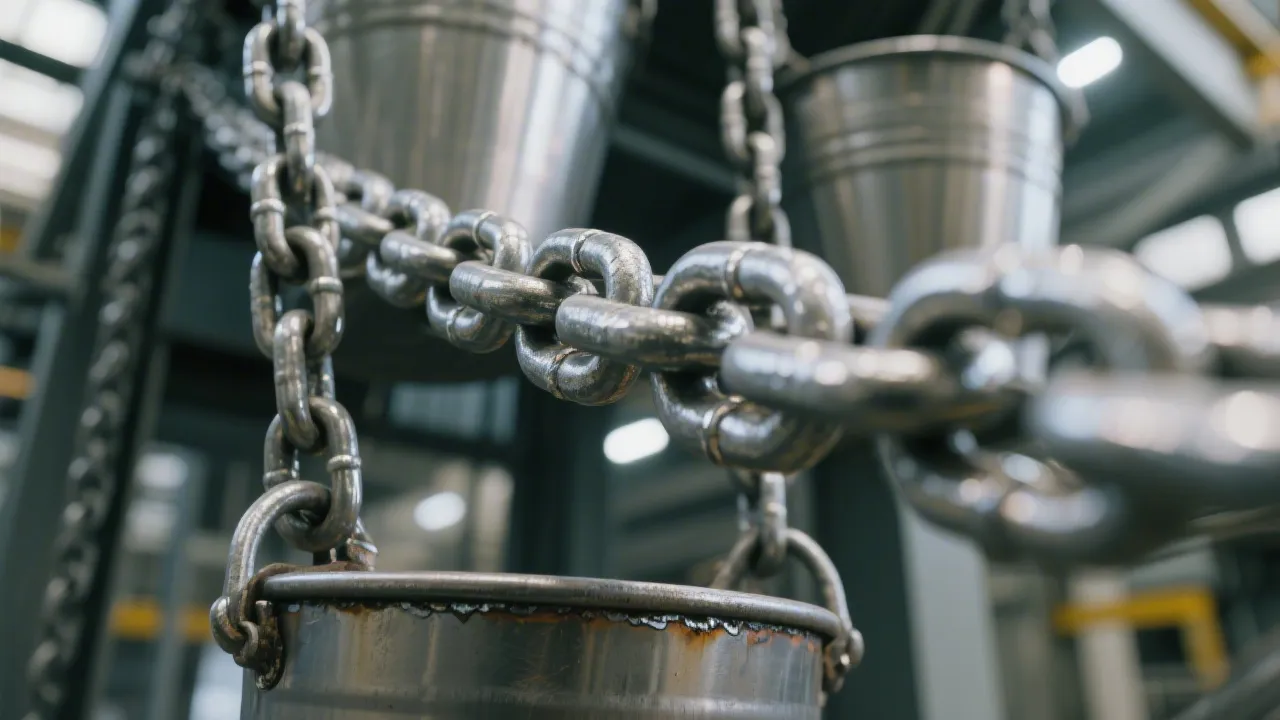
As a maintenance engineer, you know that unexpected downtime can cost your operation thousands of dollars per hour. In fact, industry studies show that unplanned equipment failures account for up to 40% of all production losses in manufacturing facilities.斗式提升机 are critical components in your material handling system, and their reliability directly impacts your bottom line.
Many maintenance teams fall into the trap of reactive maintenance, waiting for problems to occur before taking action. This approach is not only costly but also dangerous. Consider these industry statistics:
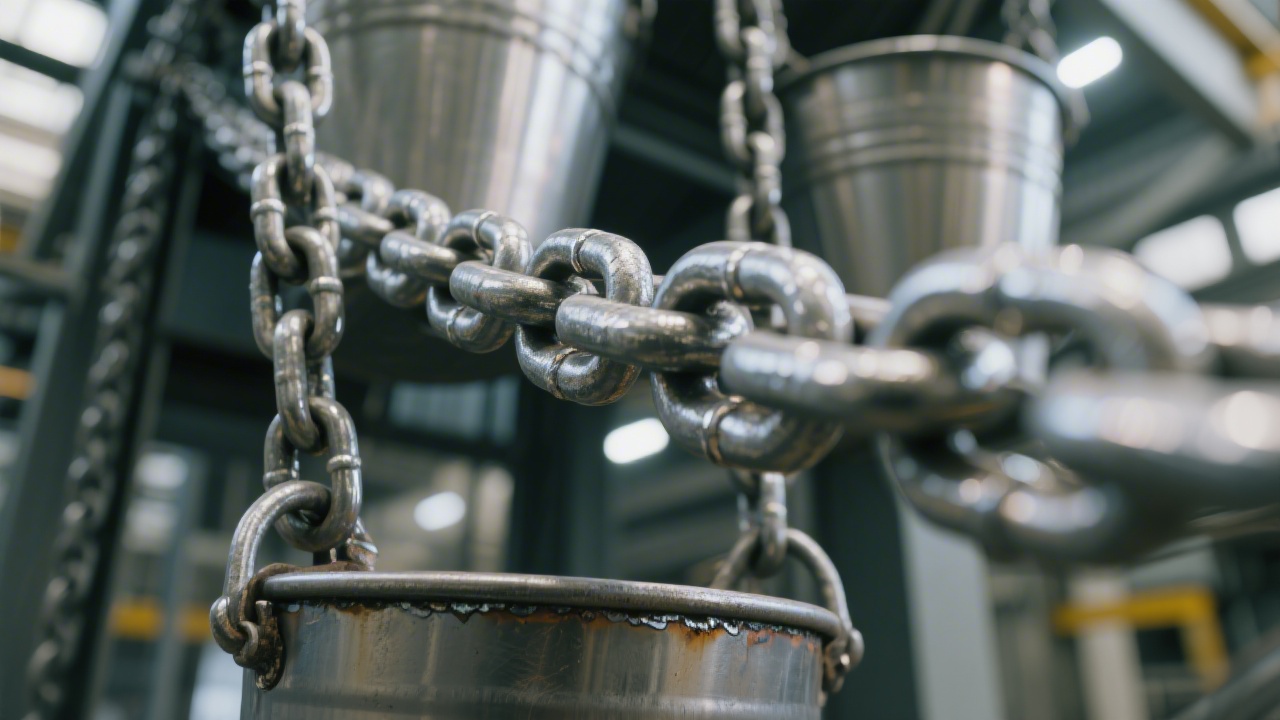
Inspect buckets weekly for signs of wear, cracks, or deformation. Pay special attention to the bucket lips and mounting points. Replace any bucket that shows more than 15% wear on the leading edge or has developed cracks. In dusty environments like cement plants, consider upgrading to hardened steel buckets which can extend service life by up to 400% compared to standard buckets.
Improper tension is one of the most common causes of斗式提升机 failures. Check chain tension monthly using the sag method – proper tension should result in approximately 2% sag between sprockets. For belt-driven systems, maintain tension within the manufacturer's specified range, typically 5-8 pounds per inch of belt width. Remember that temperature fluctuations can affect tension, so seasonal adjustments may be necessary.
Expert Tip: "Chain tension should be checked when the chain is at operating temperature. A cold chain will tension differently once it warms up during operation, leading to potential over-tightening." – John Reynolds, Certified Maintenance & Reliability Professional with 25 years in bulk material handling.
Develop a lubrication schedule based on operating hours rather than calendar days for greater accuracy. For chain drives operating in normal conditions, lubricate every 250 hours. In dusty or high-moisture environments, reduce intervals to 150 hours. Use only manufacturer-recommended lubricants – typically an EP (Extreme Pressure) grease with NLGI grade 2 for most applications. Always clean chains before applying fresh lubricant to prevent abrasive particle buildup.
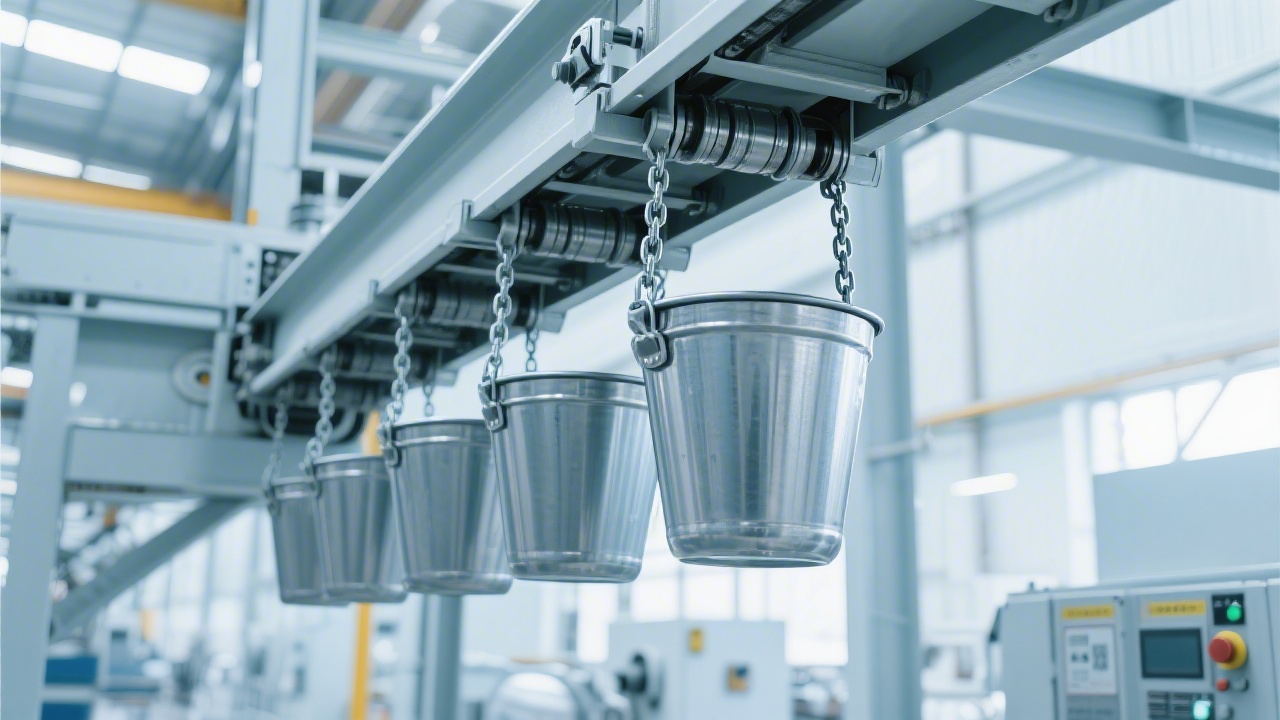
Test all safety interlocks and monitoring systems monthly. This includes over-speed detectors, belt misalignment sensors, and bearing temperature monitors. Document each test with date, time, and results. A properly functioning safety system can prevent catastrophic failures and protect personnel. Remember that safety devices themselves require maintenance – clean sensors regularly and verify calibration annually.
When your斗式提升机 isn't moving material as efficiently as before, start with these diagnostic steps:
In one case study at a grain processing facility, simply cleaning accumulated debris from the boot section restored 27% of lost capacity without any part replacements.
Belt tracking issues can lead to edge wear, material spillage, and premature failure. If you notice your belt wandering:
First, check the alignment of the tail pulley and head pulley – they should be perfectly parallel. Use a laser alignment tool for precision. If misalignment is minimal, adjust the take-up bolts in small increments (1/4 turn at a time). For persistent issues, install self-aligning idlers which can automatically correct minor misalignments.
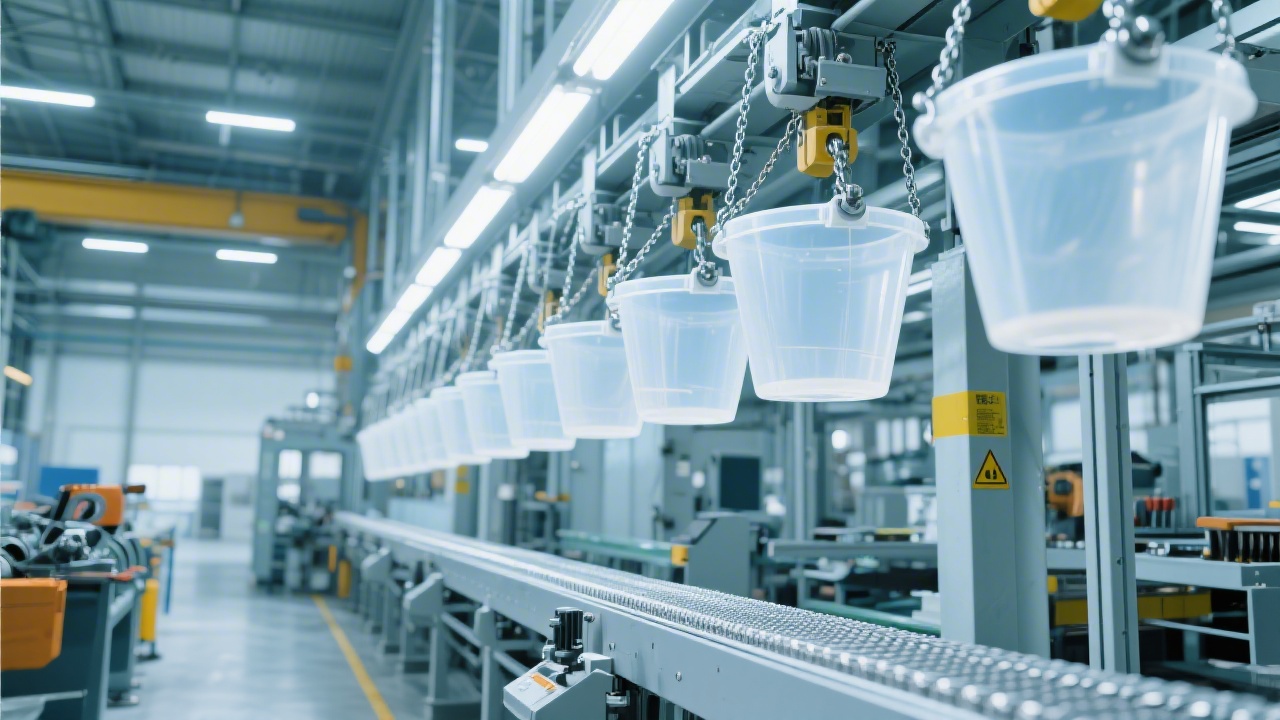
Chain breakage typically occurs due to one of three causes: inadequate lubrication, overloading, or fatigue. To prevent chain failures:
Imagine reducing your斗式提升机 downtime by 70% and extending equipment life by 3+ years. The difference between constant breakdowns and reliable performance often comes down to a structured preventive maintenance approach.
Download Our Comprehensive斗式提升机 Maintenance ChecklistGet expert guidance on creating a customized maintenance schedule that fits your specific operating conditions.
Remember that every maintenance action you take today prevents a potential failure tomorrow. By implementing these proven techniques, you'll not only extend the life of your斗式提升机 but also improve overall plant safety and productivity. The most successful maintenance programs combine technical knowledge with consistent execution – start small, focus on critical components, and gradually expand your preventive maintenance efforts.


 204
|
204
|
 bucket elevator working principle
bucket elevator selection
chain bucket elevator vs belt bucket elevator
vertical conveying solutions for powder materials
mining industry conveyor equipment
73
|
Heavy-duty screw conveyor
Dust-free conveying
Screw rotor design
Powder material conveying
Multi-point feeding and discharging
402
|
Heavy - duty screw conveyor
Multi - point feeding and discharging
High - efficiency dust - free transportation
Material conveying equipment
Industrial screw conveyor
189
|
custom mesh belt conveyor
paper industry material handling equipment
high-speed high-capacity conveyor
non-standard conveyor design
industrial conveyor system integration
197
|
custom mesh belt conveyor
high capacity conveyor system
non-standard conveying solution
industrial conveyor integration
heat-resistant conveyor equipment
bucket elevator working principle
bucket elevator selection
chain bucket elevator vs belt bucket elevator
vertical conveying solutions for powder materials
mining industry conveyor equipment
73
|
Heavy-duty screw conveyor
Dust-free conveying
Screw rotor design
Powder material conveying
Multi-point feeding and discharging
402
|
Heavy - duty screw conveyor
Multi - point feeding and discharging
High - efficiency dust - free transportation
Material conveying equipment
Industrial screw conveyor
189
|
custom mesh belt conveyor
paper industry material handling equipment
high-speed high-capacity conveyor
non-standard conveyor design
industrial conveyor system integration
197
|
custom mesh belt conveyor
high capacity conveyor system
non-standard conveying solution
industrial conveyor integration
heat-resistant conveyor equipment