.png?x-oss-process=image/resize,h_100,m_lfit/format,webp)
.png?x-oss-process=image/resize,h_100,m_lfit/format,webp)
.png?x-oss-process=image/resize,h_100,m_lfit/format,webp)
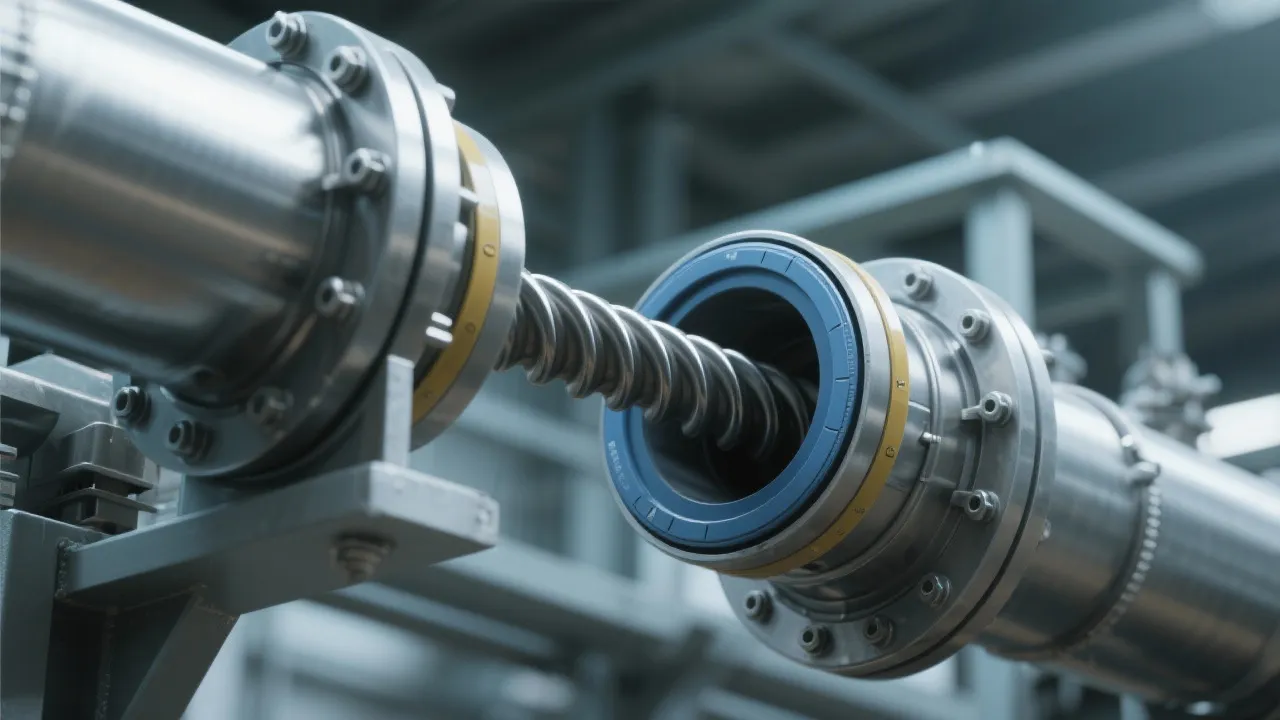
The bucket elevator is a core industrial equipment designed to elevate bulk materials vertically with efficiency and precision. Whether you’re handling powders, granules, or heavy materials like coal and cement, understanding its basic structure and operation is critical for optimizing your production process.
At the heart of a bucket elevator are three main components: the material buckets, the transmission mechanism (chain or belt), and the casing that guides the flow. Buckets scooping up material from the bottom travel vertically, driven by the chain or belt, and deposit materials at the discharge point atop the conveyor. Think of it as a vertical conveyor belt equipped with multiple scooping buckets for continuous material lifting.
This seamless vertical transport minimizes spillage and contamination, ideal for sensitive raw materials. Since bucket elevators facilitate high elevation gain with minimal floor space, they are favored across diverse industries.
Your industry dictates the material characteristics that influence elevator selection. Here’s an overview:
Selecting the most compatible bucket elevator design tailored to your material’s particle size, abrasiveness, and moisture content ensures operational stability and longevity.
| Feature | Chain Bucket Elevator | Belt Bucket Elevator |
|---|---|---|
| Load Capacity | Up to 150 m³/hr | Up to 100 m³/hr |
| Maintenance Frequency | Higher (due to chain wear) | Lower |
| Energy Consumption | ~15% higher | More energy-efficient |
| Max Elevation Height | Up to 60 meters | Typically up to 40 meters |
| Material Suitability | Heavy, abrasive materials | Fine powders, food-grade materials |
Understanding this comparison equips you to make choices that precisely match your operational demands—whether it’s maximizing throughput, minimizing downtime, or reducing energy costs.
To arrive at an optimal choice, follow this stepwise logic:
This scientific method guarantees a closed-loop decision framework that prevents underperformance and overspending.
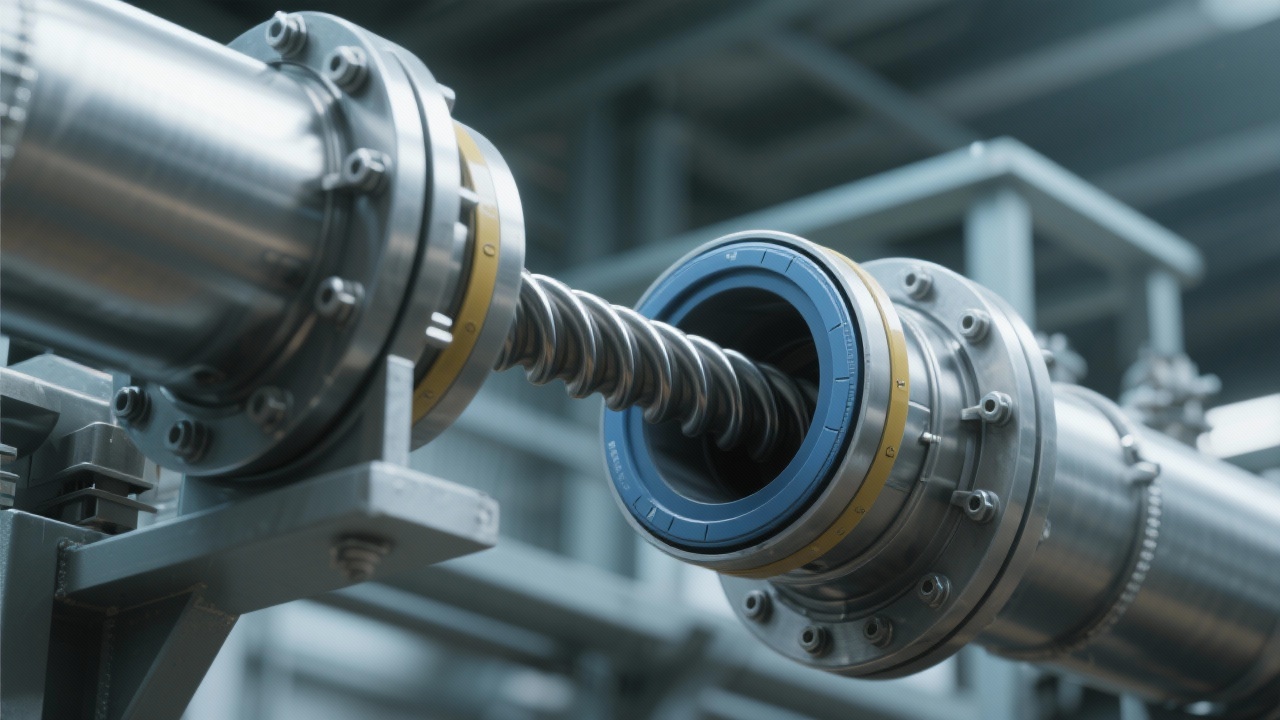
A prominent cement manufacturer in Southeast Asia recently upgraded to a heavy-duty chain bucket elevator designed for abrasive cement powder. By replacing an outdated belt system, they achieved over 30% production efficiency increase and slashed maintenance downtime by 25%. This tailored solution helped the plant maintain consistent high-capacity output, proving how precise equipment matching fuels competitive advantage.
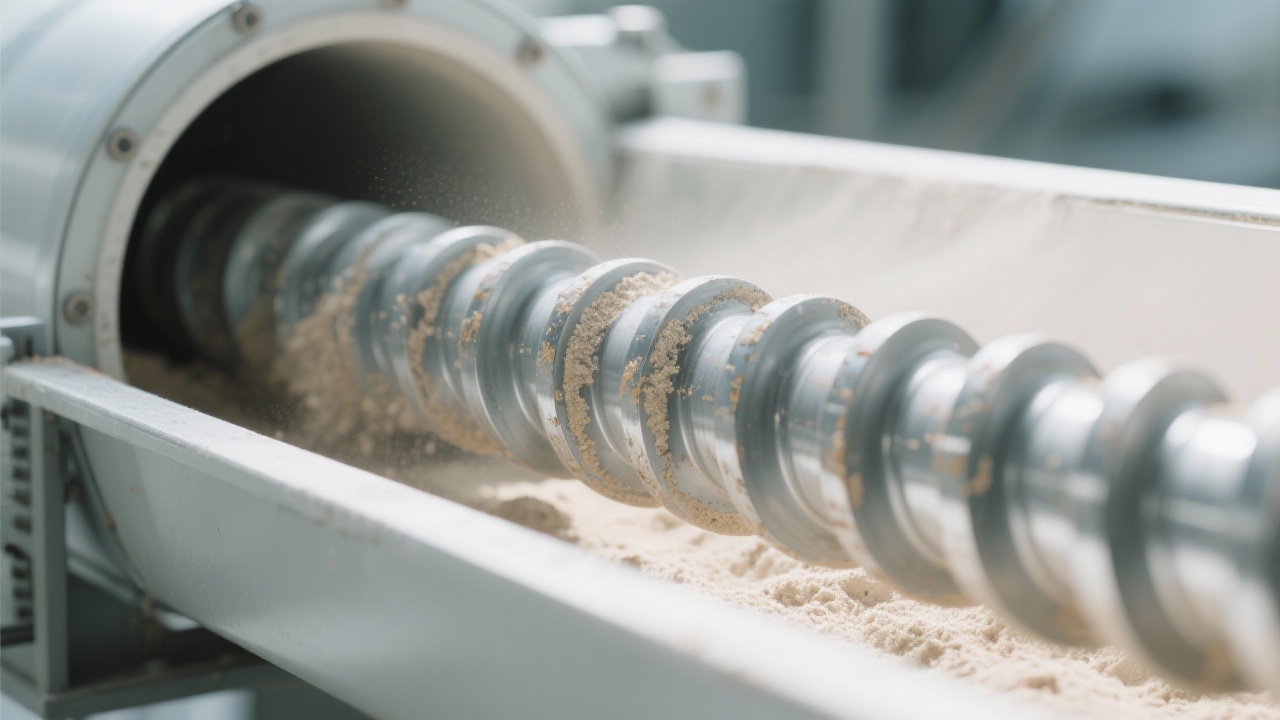
Whether you're initiating a new setup or optimizing existing bucket elevator systems, leveraging scientifically-backed knowledge and real-world data empowers you to overcome operational bottlenecks. Our approach focuses on precise matching to your unique process needs, ensuring reliability and efficiency gains that matter.


 447
|
447
|
 heavy-duty screw conveyor
dust-free material handling
screw rotor design
sealing technology
multi-point feeding and discharging
107
|
heavy-duty screw conveyor selection
screw conveyor sealing technology
powder material conveying solutions
industrial screw conveyor parameters
dust-free material transport equipment
134
|
custom belt conveyor design
non-standard conveyor systems
industrial material handling
belt conveyor integration
high-efficiency conveyor systems
190
|
heavy-duty screw conveyors
dust-free conveying solutions
sealing technology
multi-point feeding and discharging
material handling equipment selection
385
|
custom belt conveyor systems
high-capacity material handling
industrial conveyor solutions
separated chain conveyor design
multi-angle incline conveyors
heavy-duty screw conveyor
dust-free material handling
screw rotor design
sealing technology
multi-point feeding and discharging
107
|
heavy-duty screw conveyor selection
screw conveyor sealing technology
powder material conveying solutions
industrial screw conveyor parameters
dust-free material transport equipment
134
|
custom belt conveyor design
non-standard conveyor systems
industrial material handling
belt conveyor integration
high-efficiency conveyor systems
190
|
heavy-duty screw conveyors
dust-free conveying solutions
sealing technology
multi-point feeding and discharging
material handling equipment selection
385
|
custom belt conveyor systems
high-capacity material handling
industrial conveyor solutions
separated chain conveyor design
multi-angle incline conveyors