.png?x-oss-process=image/resize,h_100,m_lfit/format,webp)
.png?x-oss-process=image/resize,h_100,m_lfit/format,webp)
.png?x-oss-process=image/resize,h_100,m_lfit/format,webp)
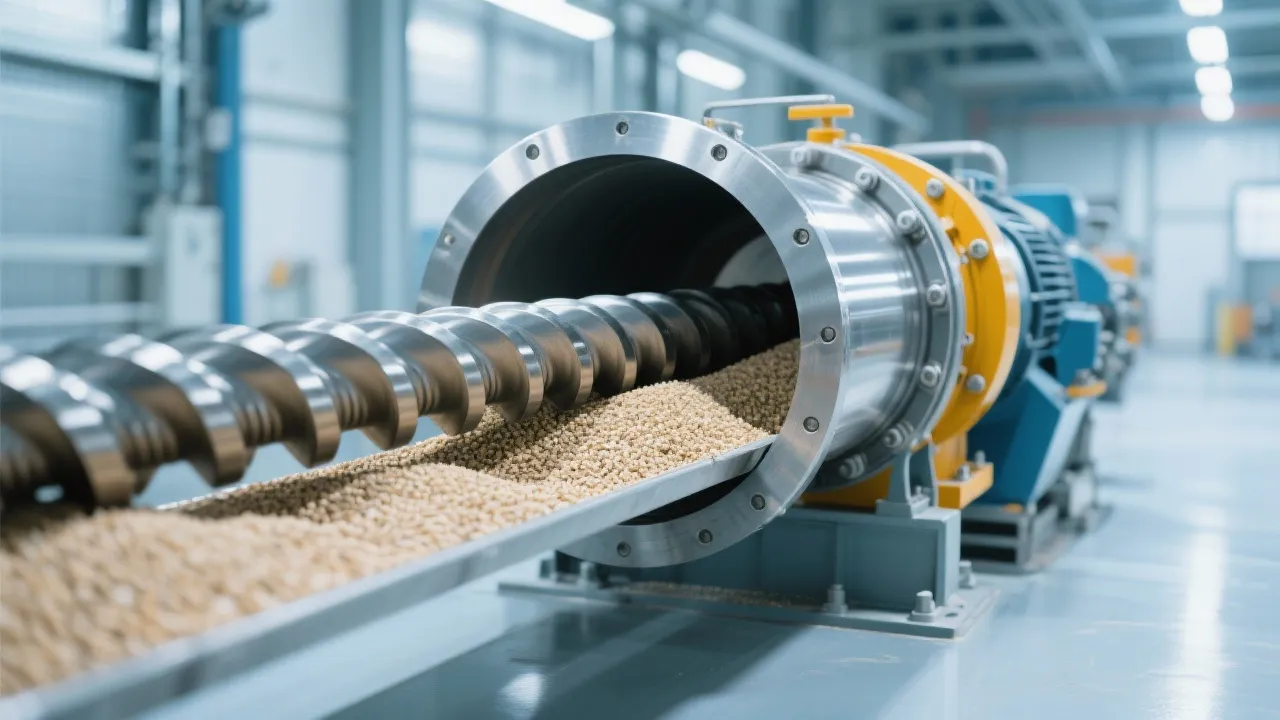
In industrial environments handling boiler ash, slag, or other abrasive materials, chain bucket elevators face constant wear that can lead to costly downtime and premature part failure. According to a 2023 survey by the International Materials Handling Association (IMHA), over 68% of plant managers report unplanned maintenance due to worn buckets or chains—costing an average of $12,000 per incident in lost production.
Not all wear is created equal. The hardness and particle size of your material directly influence which components degrade fastest:
| Component | Best For | Expected Lifespan Increase |
|---|---|---|
| High-Manganese Steel Buckets | General-purpose applications (particle < 30mm) | ~2x vs. mild steel |
| Ceramic Composite Layer | Sharp, high-hardness particles (>50mm) | Up to 70% less wear |
| Hardened Alloy Chains | Continuous heavy-duty use | 3x longer than untreated chains |
At a major cement facility in Riyadh, switching from standard manganese steel buckets to ceramic-coated versions reduced bucket replacement frequency from quarterly to biannually—saving over $45,000 annually in parts and labor. Their maintenance team also adopted a simple inspection checklist based on daily run time, catching early signs of chain misalignment before catastrophic failure.
These practices aren’t just theoretical—they’re proven in real-world conditions across Asia, Europe, and the Middle East.
What’s your material like? Is it sharp? Large? Heavy? Let us know in the comments below—we’ll help you match your specific conditions to the right wear solution.
Download our free “Wear Part Inspection Checklist” PDF—used by top-tier plants worldwide—to start proactive maintenance today.
Get Free Download Now →


 63
|
63
|
 chain conveyor horizontal transport
inclined chain conveyor design
curved chain conveyor systems
industrial conveyor optimization
production line layout solutions
91
|
separate chain conveyor design
industrial belt conveyor
wear-resistant alloy steel
high-capacity material handling
customized conveyor system
236
|
custom conveyor belt system
separated chain structure
industrial conveyor solutions
material handling equipment
high-efficiency belt conveyor
179
|
Mesh belt conveyor custom design
Industrial continuous conveying equipment
Material handling efficiency improvement
Non - standard conveyor solutions
Advantages of separated chain structure
212
|
custom conveyor belts
non-standard conveying equipment
industrial material handling solutions
separated chain structure
efficient continuous conveyor system
chain conveyor horizontal transport
inclined chain conveyor design
curved chain conveyor systems
industrial conveyor optimization
production line layout solutions
91
|
separate chain conveyor design
industrial belt conveyor
wear-resistant alloy steel
high-capacity material handling
customized conveyor system
236
|
custom conveyor belt system
separated chain structure
industrial conveyor solutions
material handling equipment
high-efficiency belt conveyor
179
|
Mesh belt conveyor custom design
Industrial continuous conveying equipment
Material handling efficiency improvement
Non - standard conveyor solutions
Advantages of separated chain structure
212
|
custom conveyor belts
non-standard conveying equipment
industrial material handling solutions
separated chain structure
efficient continuous conveyor system