.png?x-oss-process=image/resize,h_100,m_lfit/format,webp)
.png?x-oss-process=image/resize,h_100,m_lfit/format,webp)
.png?x-oss-process=image/resize,h_100,m_lfit/format,webp)
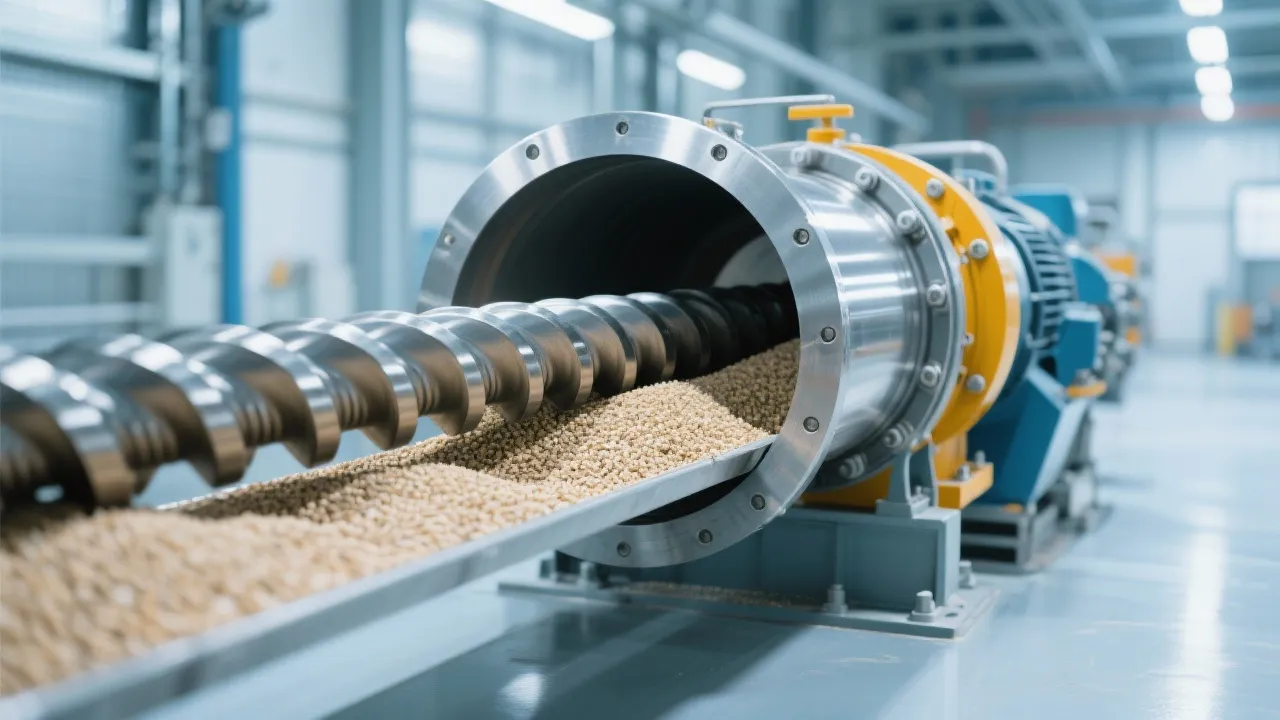
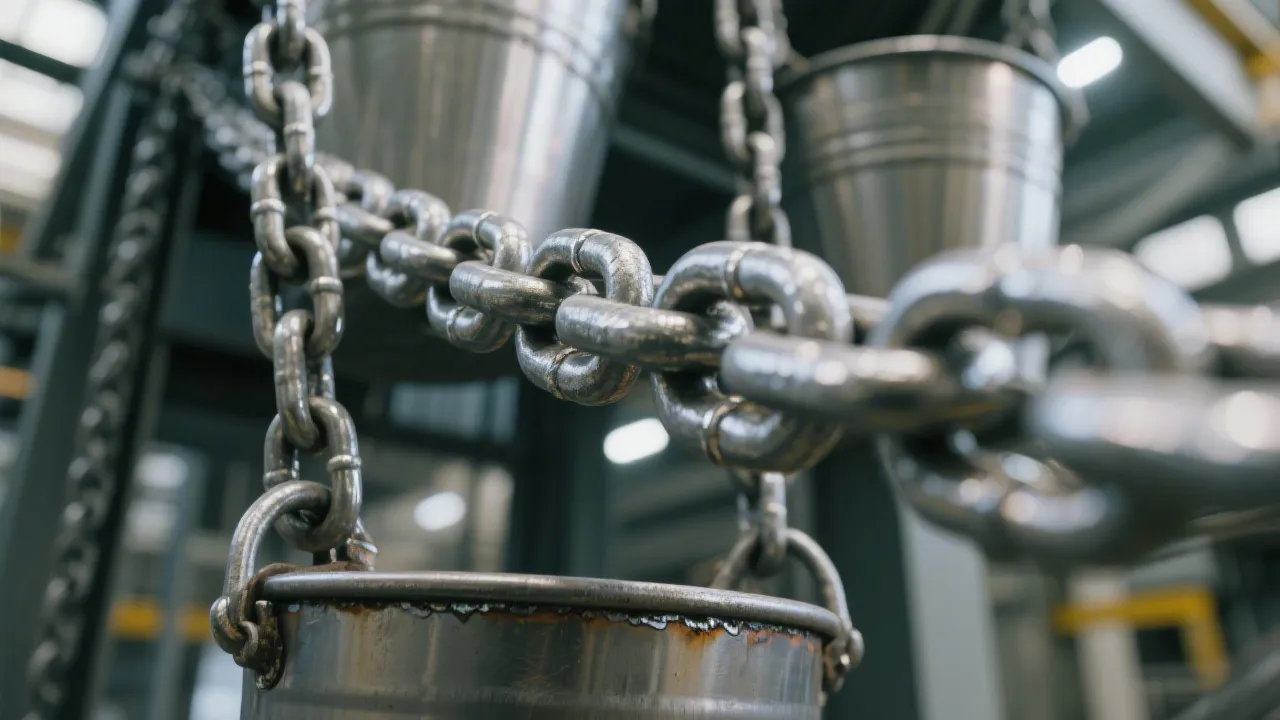
In industries like power generation and mining, chain bucket conveyors often face harsh conditions—especially when handling materials such as boiler ash or slag. These high-wear substances can rapidly degrade components, leading to frequent downtime and rising maintenance costs. But with the right selection of wear-resistant parts, you can significantly extend equipment life and reduce operational expenses.
Boiler ash and mineral slag typically contain abrasive particles ranging from 1–100 mm in size. According to field data from over 30 industrial sites, materials with particle sizes >50 mm cause up to 4x faster wear on standard carbon steel buckets compared to those under 20 mm. The hardness of these particles (often 500–700 HB) also plays a critical role—higher hardness means more aggressive erosion, especially at contact points like chain links and guide rollers.
| Material Type | Avg. Service Life (hrs) | Best For |
|---|---|---|
| High-Manganese Steel | 3,000–5,000 hrs | Moderate abrasion, low impact |
| Ceramic Composite Layer | 8,000–12,000 hrs | High particle size (>50mm), high hardness |
| Hard Alloy (WC-Co) | 15,000+ hrs | Extreme wear environments, long-term cost savings |
For example, if your material has an average particle size above 50 mm, ceramic composite buckets are recommended based on real-world performance metrics. If budget allows and wear is severe, hard alloy offers the longest lifespan but requires higher initial investment.
Surface-hardened chains (via induction or flame hardening) show up to 60% better resistance to abrasion than untreated ones. In one case study involving a cement plant in Indonesia, switching from standard chains to hardened ones reduced chain replacement frequency by 70%, saving approximately $12,000 annually in labor and spare parts.
For fine ash (<10 mm), standard polyurethane rollers may suffice for 6–8 months. However, for coarse slag (20–50 mm), stainless steel roller bearings with sealed housing should be inspected monthly and replaced every 3–4 months. Always track hours per shift—this helps predict failure before it happens.
Pro Tip: Start building a preventive maintenance schedule now—not after your machine breaks down. Use this simple rule: check buckets every 500 operating hours, chains every 1,000 hours, and rollers monthly in high-abrasion settings.
What’s your current setup? What component wears out fastest—buckets, chains, or rollers? Share your experience below—we’re always learning from users like you.
Get a practical, printable checklist tailored to your conveyor type and material profile—no sign-up required. Just click the button below to download immediately.
Download Now – Get Your Free Wear Inspection Guide

 243
|
243
|
 heavy-duty screw conveyor
dust-free material handling
screw conveyor selection guide
industrial conveying solutions
sealed screw conveyor
78
|
bucket elevator daily maintenance guide
bucket elevator lubrication and inspection
bucket elevator belt misalignment fix
bucket elevator reduced capacity troubleshooting
bucket elevator chain tension adjustment
231
|
Heavy-duty screw conveyor
Multi-point feeding and discharging
Dust-free conveying
Selection guide
Sealed operation technology
368
|
heavy-duty screw conveyor
multi-point feeding and discharging
dust-free material handling
screw conveyor design
industrial conveyor systems
418
|
bucket elevator maintenance
bucket elevator troubleshooting
belt misalignment correction
chain bucket elevator lubrication
reduced conveying capacity causes
heavy-duty screw conveyor
dust-free material handling
screw conveyor selection guide
industrial conveying solutions
sealed screw conveyor
78
|
bucket elevator daily maintenance guide
bucket elevator lubrication and inspection
bucket elevator belt misalignment fix
bucket elevator reduced capacity troubleshooting
bucket elevator chain tension adjustment
231
|
Heavy-duty screw conveyor
Multi-point feeding and discharging
Dust-free conveying
Selection guide
Sealed operation technology
368
|
heavy-duty screw conveyor
multi-point feeding and discharging
dust-free material handling
screw conveyor design
industrial conveyor systems
418
|
bucket elevator maintenance
bucket elevator troubleshooting
belt misalignment correction
chain bucket elevator lubrication
reduced conveying capacity causes