.png?x-oss-process=image/resize,h_100,m_lfit/format,webp)
.png?x-oss-process=image/resize,h_100,m_lfit/format,webp)
.png?x-oss-process=image/resize,h_100,m_lfit/format,webp)
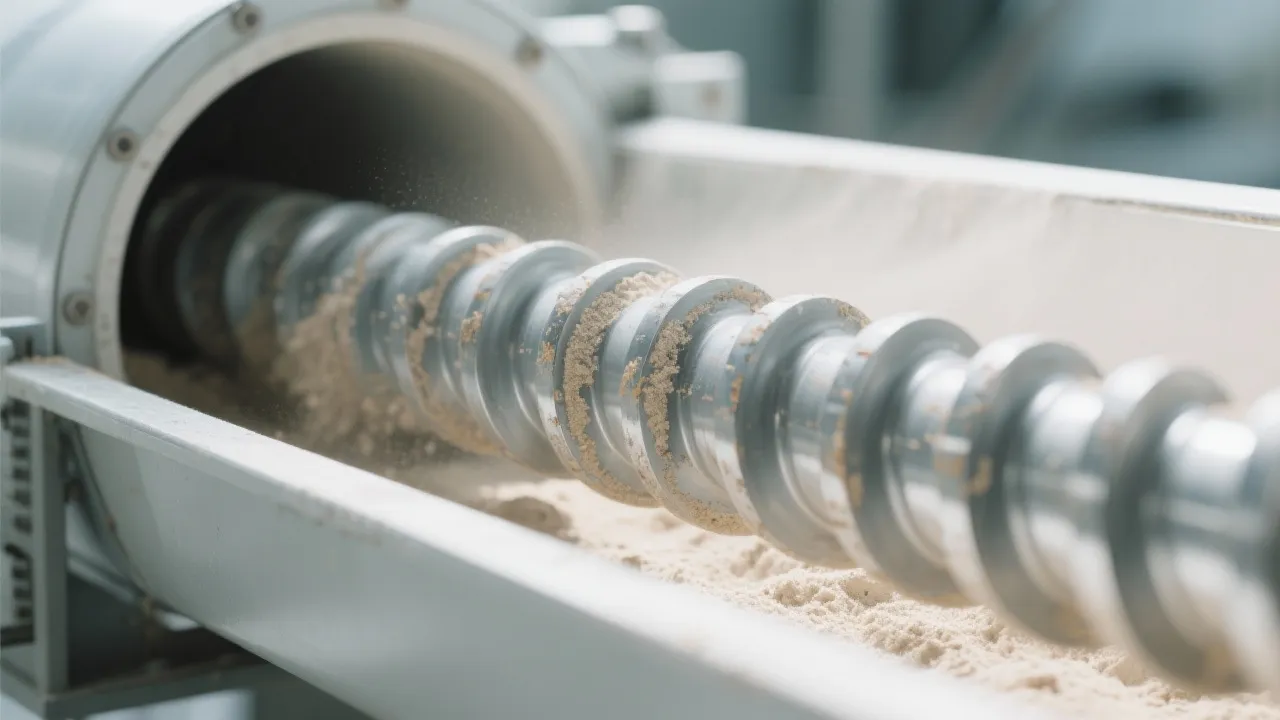
In industries like power generation and mining, where materials such as boiler ash and slag are handled continuously, chain bucket elevators face extreme wear. Choosing the wrong components isn’t just a maintenance headache—it’s a direct hit to your bottom line.
When particle size exceeds 50mm or hardness reaches 400–600 HB (Brinell), standard carbon steel buckets fail within 6 months. Industry experience shows that upgrading to ceramic composite liners can extend service life by up to 3x—especially when handling abrasive minerals like coal fly ash or furnace slag.
“In one case study from a cement plant in Texas, switching from mild steel to high-manganese steel buckets reduced downtime by 70% over 12 months.” — Field Maintenance Report, 2023
Similarly, chain surface hardening via induction or laser treatment boosts fatigue resistance by 40–60%. For applications with frequent starts/stops—common in material handling lines—this small investment pays off in fewer broken links and less unplanned shutdowns.
Instead of waiting for failure, adopt a predictive approach:
This isn’t guesswork—it’s based on real data from over 150 installations worldwide. By aligning maintenance cycles with actual wear patterns, operators reduce emergency repairs by an average of 45%, according to a 2024 survey by the International Bulk Handling Society.
The shift from reactive fixes to proactive planning is not only smarter—it’s more profitable. One European steel mill saved $12,000 annually simply by implementing a monthly inspection protocol tied to material type and machine runtime.
You don’t need to be an expert to see the value: fewer breakdowns mean lower labor costs, less inventory waste, and higher production uptime. Whether you're managing a boiler house in India or a processing facility in Saudi Arabia, these principles apply universally.
If you’re still using generic parts across all your conveyors, ask yourself: What’s your current cost per hour of downtime? Now multiply that by how often it happens. That’s where smart component selection makes its biggest impact—not in theory, but in real operations.
Your next question should be: What kind of material do you handle? Is it mostly fine dust, or coarse slag? Let us know in the comments—we’ll help tailor a plan specific to your setup.
Download our industry-tested guide to choosing the right materials for your chain bucket elevator—no fluff, just actionable steps to cut repair costs and boost uptime.
Download the Guide Now →


 313
|
313
|
 bucket elevator maintenance guide
conveyor capacity reduction causes
chain elevator lubrication methods
belt misalignment troubleshooting
bucket elevator fault diagnosis
73
|
Heavy-duty screw conveyor
Dust-free conveying
Screw rotor design
Powder material conveying
Multi-point feeding and discharging
91
|
separate chain conveyor design
industrial belt conveyor
wear-resistant alloy steel
high-capacity material handling
customized conveyor system
186
|
belt conveyor maintenance
heavy-duty belt conveyor maintenance
conveyor belt tension adjustment
conveyor fault prevention
long-term equipment operation
179
|
Mesh belt conveyor custom design
Industrial continuous conveying equipment
Material handling efficiency improvement
Non - standard conveyor solutions
Advantages of separated chain structure
bucket elevator maintenance guide
conveyor capacity reduction causes
chain elevator lubrication methods
belt misalignment troubleshooting
bucket elevator fault diagnosis
73
|
Heavy-duty screw conveyor
Dust-free conveying
Screw rotor design
Powder material conveying
Multi-point feeding and discharging
91
|
separate chain conveyor design
industrial belt conveyor
wear-resistant alloy steel
high-capacity material handling
customized conveyor system
186
|
belt conveyor maintenance
heavy-duty belt conveyor maintenance
conveyor belt tension adjustment
conveyor fault prevention
long-term equipment operation
179
|
Mesh belt conveyor custom design
Industrial continuous conveying equipment
Material handling efficiency improvement
Non - standard conveyor solutions
Advantages of separated chain structure