.png?x-oss-process=image/resize,h_100,m_lfit/format,webp)
.png?x-oss-process=image/resize,h_100,m_lfit/format,webp)
.png?x-oss-process=image/resize,h_100,m_lfit/format,webp)

TianQi Machinery
A conveyor system should be designed around the actual material, the production process, and the installation environment. TianQi Machinery focuses on practical engineering logic to help B2B buyers understand how conveyor system design moves from requirement analysis to equipment selection, layout planning, and maintenance considerations.
A conveyor system is not only a piece of equipment. It is a technical solution that connects material handling, production efficiency, space planning, and long-term operation. A well-designed system helps reduce unnecessary transfers, improves process continuity, and supports safer operation.
For buyers evaluating belt conveyors, bucket elevators, screw conveyors, or other conveying equipment, the design stage is where the key decisions are made. The right design logic helps ensure that the selected equipment matches the material characteristics, required capacity, and site constraints.
The first step is to define what the conveyor system needs to accomplish. This includes the role of the conveyor in the production line, the transfer points, the required operating rhythm, and the relationship between upstream and downstream equipment. Clear process requirements provide the foundation for all later design decisions.
Material properties directly influence equipment selection and system structure. Important factors typically include particle size, bulk density, flowability, moisture content, abrasiveness, temperature, and whether the material is prone to dust generation or segregation. Different materials place different demands on the conveyor type and the conveying path.
The required conveying capacity determines whether the system should emphasize continuous transport, vertical lifting, horizontal transfer, or a combination of functions. Capacity planning should align with production targets while leaving reasonable margin for operating stability and future adjustment.
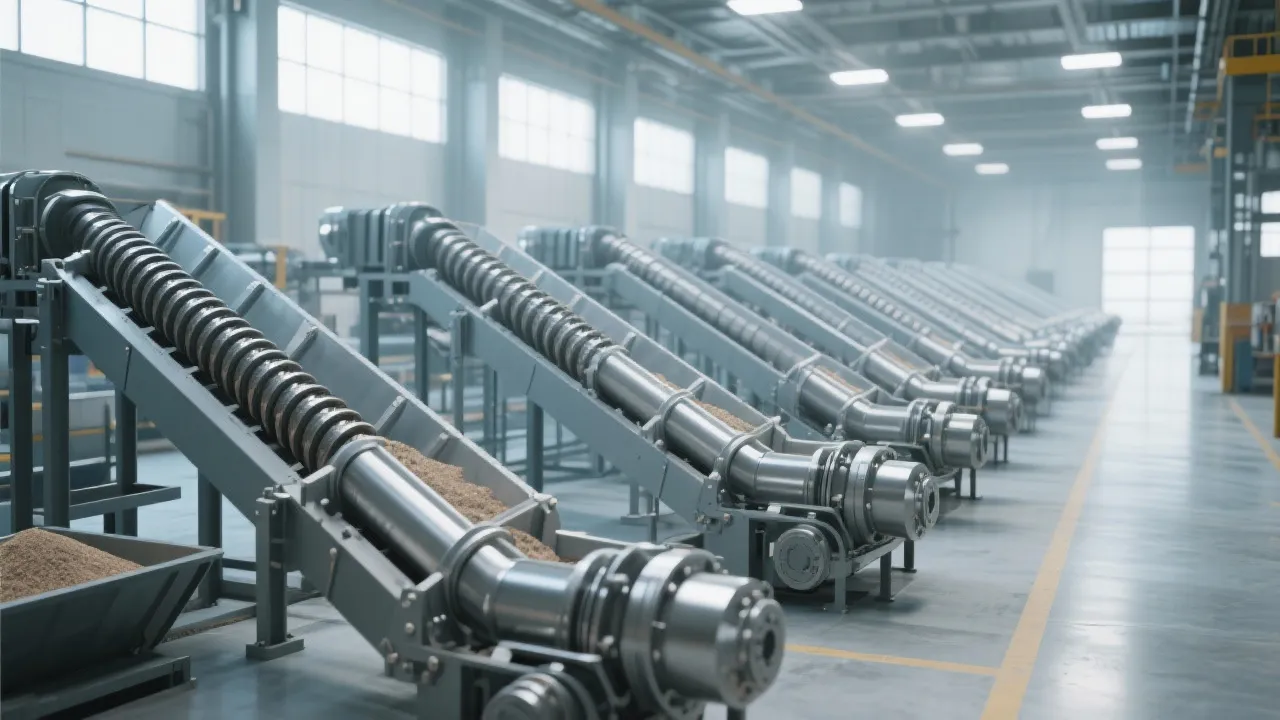
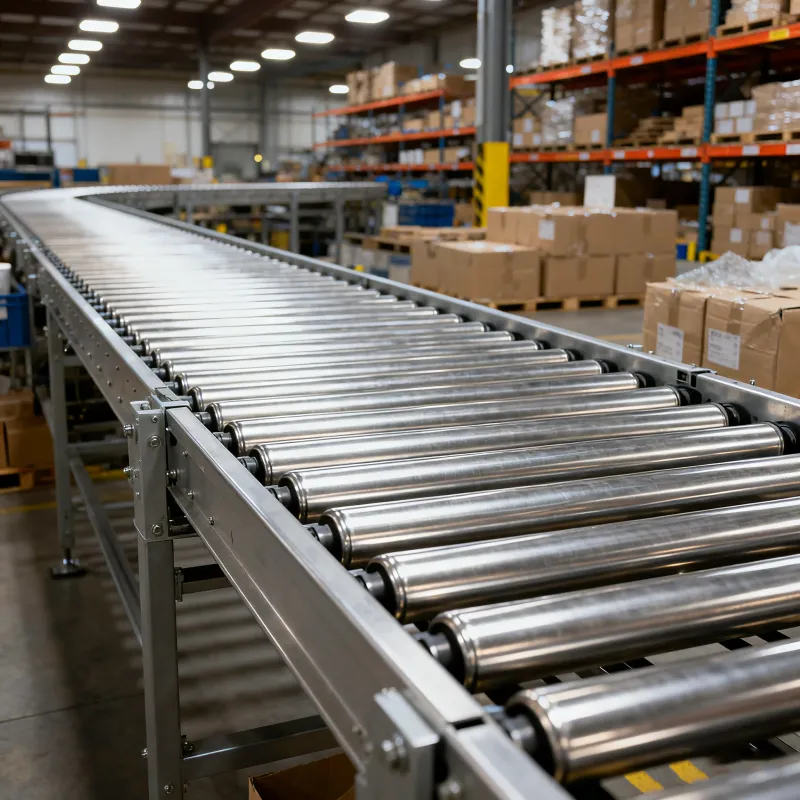
Once the material and capacity requirements are clear, the next step is to match the right type of equipment. Belt conveyors are often used for general horizontal or inclined transport, bucket elevators are suitable for vertical lifting, screw conveyors are commonly applied to controlled enclosed conveying, and chain-type systems can be selected for specific material handling needs.
System configuration should consider the available site space, conveying height, transfer direction, maintenance access, and installation conditions. A practical layout can help reduce unnecessary bends, optimize flow paths, and make future service more convenient.
Maintenance should be considered at the design stage, not after installation. Access for inspection, parts replacement, cleaning, lubrication, and troubleshooting should be built into the system planning to support stable long-term operation.
| Design Factor | What It Affects | Typical Design Focus |
|---|---|---|
| Material characteristics | Type of conveyor and structural details | Flowability, abrasiveness, moisture, particle size |
| Required capacity | Equipment size and operating mode | Throughput target, load stability, margin planning |
| Site conditions | Layout and installation method | Space, height, access, route constraints |
| Operation and maintenance | Service life and usability | Inspection access, cleaning, replacement convenience |
TianQi Machinery emphasizes a structured understanding of process needs, material conditions, and equipment performance before making a selection.
The objective is to match the conveying solution to the application, rather than forcing a generic configuration into every project.
Maintenance access, operational stability, and site adaptability are treated as part of the design logic from the beginning.
A custom design is often useful when the material characteristics are demanding, the plant layout is constrained, or the conveying path involves multiple transfers, vertical lifts, or enclosed handling requirements.
It is also valuable when the buyer needs to balance productivity, space utilization, and maintenance accessibility in one technical plan. In these situations, a careful design process helps the project move from a general concept to a workable equipment configuration.
“Good conveyor system design starts with understanding the material, the process, and the site — then selecting the right equipment to fit the application.”
With its engineering background in conveying equipment and its B2B focus, TianQi Machinery supports buyers who need a clear and practical path from process requirements to equipment configuration. By aligning technical planning with real operating conditions, conveyor system design becomes a more reliable basis for procurement, installation, and long-term operation.


 243
|
243
|
 ZhengZhou TianQi Machinery
mining conveying equipment
chemical conveying equipment
grain conveying equipment
conveying solutions
135
|
ZhengZhou TianQi Machinery Co., Ltd.
customs data
email marketing
CRM workflow
foreign trade lead generation
285
|
ZhengZhou TianQi Machinery Co., Ltd.
SaaS marketing platform selection
foreign trade enterprises
feature fit
implementation capability
496
|
ZhengZhou TianQi Machinery Co., Ltd.
intelligent foreign trade marketing management platform
SaaS
lead generation efficiency
foreign trade companies
customer management
202
|
ZhengZhou TianQi Machinery Co., Ltd.
foreign trade lead generation
smart marketing management platform
lead conversion
customer follow-up
ZhengZhou TianQi Machinery
mining conveying equipment
chemical conveying equipment
grain conveying equipment
conveying solutions
135
|
ZhengZhou TianQi Machinery Co., Ltd.
customs data
email marketing
CRM workflow
foreign trade lead generation
285
|
ZhengZhou TianQi Machinery Co., Ltd.
SaaS marketing platform selection
foreign trade enterprises
feature fit
implementation capability
496
|
ZhengZhou TianQi Machinery Co., Ltd.
intelligent foreign trade marketing management platform
SaaS
lead generation efficiency
foreign trade companies
customer management
202
|
ZhengZhou TianQi Machinery Co., Ltd.
foreign trade lead generation
smart marketing management platform
lead conversion
customer follow-up