.png?x-oss-process=image/resize,h_100,m_lfit/format,webp)
.png?x-oss-process=image/resize,h_100,m_lfit/format,webp)
.png?x-oss-process=image/resize,h_100,m_lfit/format,webp)
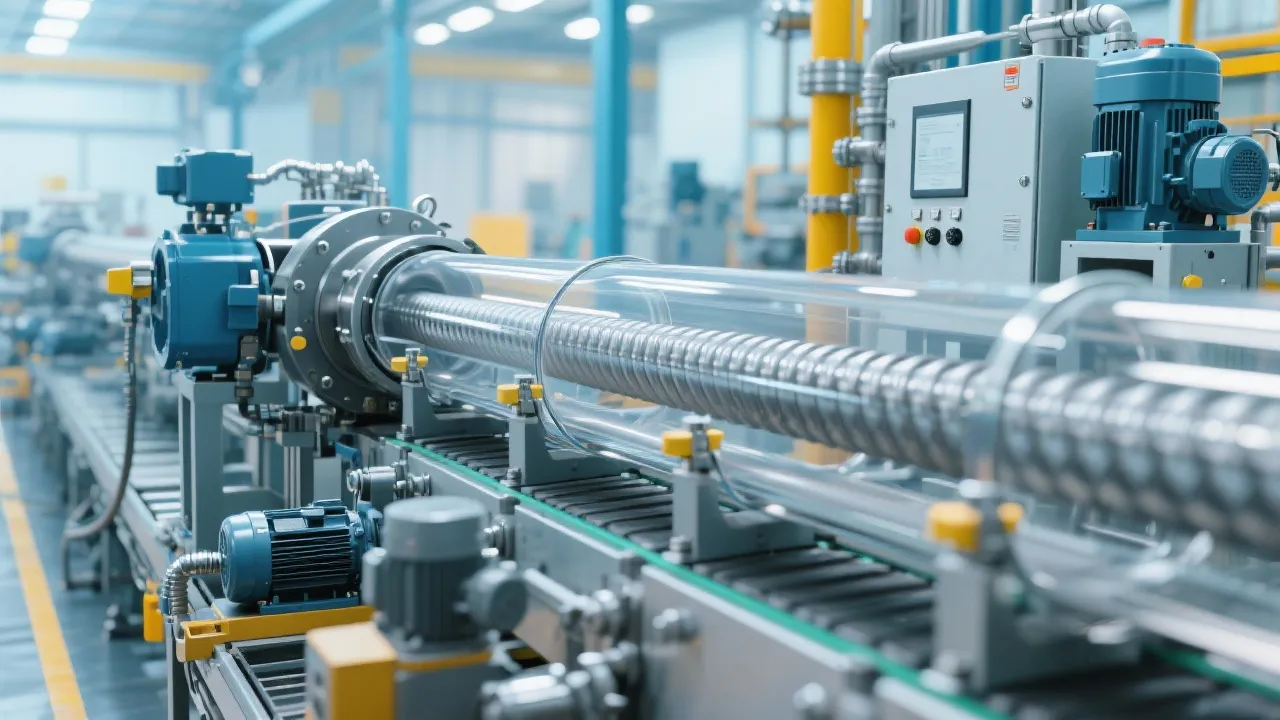
Choosing the right bucket elevator isn’t just about matching specs—it’s about aligning machine capabilities with real-world production goals. Whether you're in mining, chemical processing, grain handling, or construction, the difference between efficiency and waste often comes down to how well your equipment fits your unique operational profile.
Most industrial projects require elevators with lifting heights between 28–80 meters, while throughput ranges from 34 to 491 m³/h. For example:
A mismatch here leads to either underutilized machinery or excessive wear—and both increase total cost of ownership.
The choice between chain-driven and belt-driven bucket elevators is critical:
| Feature | Chain-Type | Belt-Type |
|---|---|---|
| Max Lift Height | Up to 75m | Up to 60m |
| Tolerance to Shock Load | High (ideal for heavy minerals) | Moderate (best for fine powders) |
| Maintenance Frequency | Low (robust metal components) | Medium (belt tension must be checked monthly) |
For instance, mining operations benefit from chain-type units because they handle abrasive materials like limestone and ore more reliably than belts.
Customization isn’t just about size—it’s about precision engineering:
These parameters directly affect energy consumption—optimizing them can reduce electricity usage by up to 15%, according to a 2023 study by the International Material Handling Association.
CE certification ensures compliance with EU Machinery Directive, while ISO 9001 (quality), ISO 14001 (environmental), and ISO 45001 (safety) demonstrate long-term commitment to performance and worker protection. These aren’t just checkboxes—they’re trust signals that global buyers look for before placing orders.
One client in Saudi Arabia reported a 30% faster approval process when their supplier provided full documentation including CE and ISO certificates—a clear advantage in competitive bidding.
Our engineers will help you match exact specifications based on your production data—not generic assumptions.
Get a Free Custom Quote Today


 447
|
447
|
 heavy-duty screw conveyor
dust-free material handling
screw rotor design
sealing technology
multi-point feeding and discharging
479
|
Heavy-duty screw conveyor selection
Powder material conveying
Granular material conveying
Small块状 material conveying
Dust-free screw conveyor
97
|
Heavy - duty screw conveyor
Sealed operation technology
Dust control
Dust - free conveying equipment
Material conveying selection
419
|
Mesh belt conveyor
High - capacity material handling
Customized design
Separated traction chain
Industrial equipment on - time delivery
402
|
Heavy - duty screw conveyor
Multi - point feeding and discharging
High - efficiency dust - free transportation
Material conveying equipment
Industrial screw conveyor
heavy-duty screw conveyor
dust-free material handling
screw rotor design
sealing technology
multi-point feeding and discharging
479
|
Heavy-duty screw conveyor selection
Powder material conveying
Granular material conveying
Small块状 material conveying
Dust-free screw conveyor
97
|
Heavy - duty screw conveyor
Sealed operation technology
Dust control
Dust - free conveying equipment
Material conveying selection
419
|
Mesh belt conveyor
High - capacity material handling
Customized design
Separated traction chain
Industrial equipment on - time delivery
402
|
Heavy - duty screw conveyor
Multi - point feeding and discharging
High - efficiency dust - free transportation
Material conveying equipment
Industrial screw conveyor