.png?x-oss-process=image/resize,h_100,m_lfit/format,webp)
.png?x-oss-process=image/resize,h_100,m_lfit/format,webp)
.png?x-oss-process=image/resize,h_100,m_lfit/format,webp)

A Practical Guide for Foreign Trade Companies
An export marketing management platform is a digital system designed to help foreign trade companies organize customer acquisition, market development, sales follow-up, and customer relationship management in one working environment. Instead of managing customs data, marketing emails, sales leads, and customer records through disconnected tools, businesses can coordinate these activities through an integrated workflow.
The purpose of an export marketing management platform is to make foreign trade customer acquisition and management more structured, traceable, and efficient. It supports the key stages of international business development, from identifying potential buyers to recording communication history and coordinating sales actions.
Organize prospecting activities and create a clearer process for developing potential overseas customers.
Use relevant customs data as a reference for understanding trade activity, buyer information, and market opportunities.
Support planned email outreach, message management, and follow-up activities for international prospects.
Keep customer profiles, communication records, lead stages, and sales tasks in an organized CRM structure.
Provide intelligent assistance for routine marketing and customer-management tasks through the MAX assistant.
Foreign trade sales often involve multiple markets, time zones, contacts, communication channels, and follow-up cycles. When information is distributed across spreadsheets, personal mailboxes, and separate databases, it can be difficult to identify the next action or maintain a complete customer history.
An integrated export marketing management platform connects these activities into a more consistent process. This can help teams understand where leads originate, what communication has taken place, which opportunities require attention, and how customer-development work is progressing.
| Capability | Questions for Foreign Trade Teams |
|---|---|
| Data and lead sources | Can the system help teams organize lead-generation activities and relevant customs data? |
| Email management | Does it support a consistent process for marketing emails and customer follow-up? |
| CRM visibility | Can sales personnel view customer records, lead stages, and interaction history in one place? |
| Workflow assistance | Can intelligent tools assist with routine tasks while keeping business decisions under team control? |
| Usability and scalability | Can the platform support the company’s existing foreign trade workflow as its customer-development activities grow? |
An export marketing management platform is particularly relevant to manufacturers, trading companies, distributors, and other B2B organizations that develop overseas markets. It may be useful for teams that need to coordinate multiple salespeople, manage recurring outreach, or create a clearer connection between market research and CRM follow-up.
Technology is most useful when it supports a clear business process. Before adopting a platform, foreign trade companies should define their target markets, customer-development priorities, sales responsibilities, data-management practices, and follow-up standards. The platform can then serve as a shared operational foundation for lead generation, customs data reference, marketing email, export CRM, and intelligent assistance.
ZhengZhou TianQi Machinery Co., Ltd. is a China-based B2B enterprise with experience in product development, manufacturing, and international business. Guided by the principle of “Technology Leads, Quality First,” the company also focuses on digital tools for foreign trade companies, including lead-generation support, customs data, marketing email, CRM, and the MAX intelligent assistant.
For businesses seeking a more organized way to manage foreign trade customer acquisition, an export marketing management platform provides a practical framework for connecting prospecting, communication, sales follow-up, and customer records. Its value depends on how well the platform matches the company’s market, team structure, and day-to-day workflow.

 320
|
320
|
 ZhengZhou TianQi Machinery foreign trade growth customer asset accumulation lead management team collaboration
75
|
ZhengZhou TianQi Machinery industrial conveying solutions conveying equipment manufacturer project delivery global after-sales service
442
|
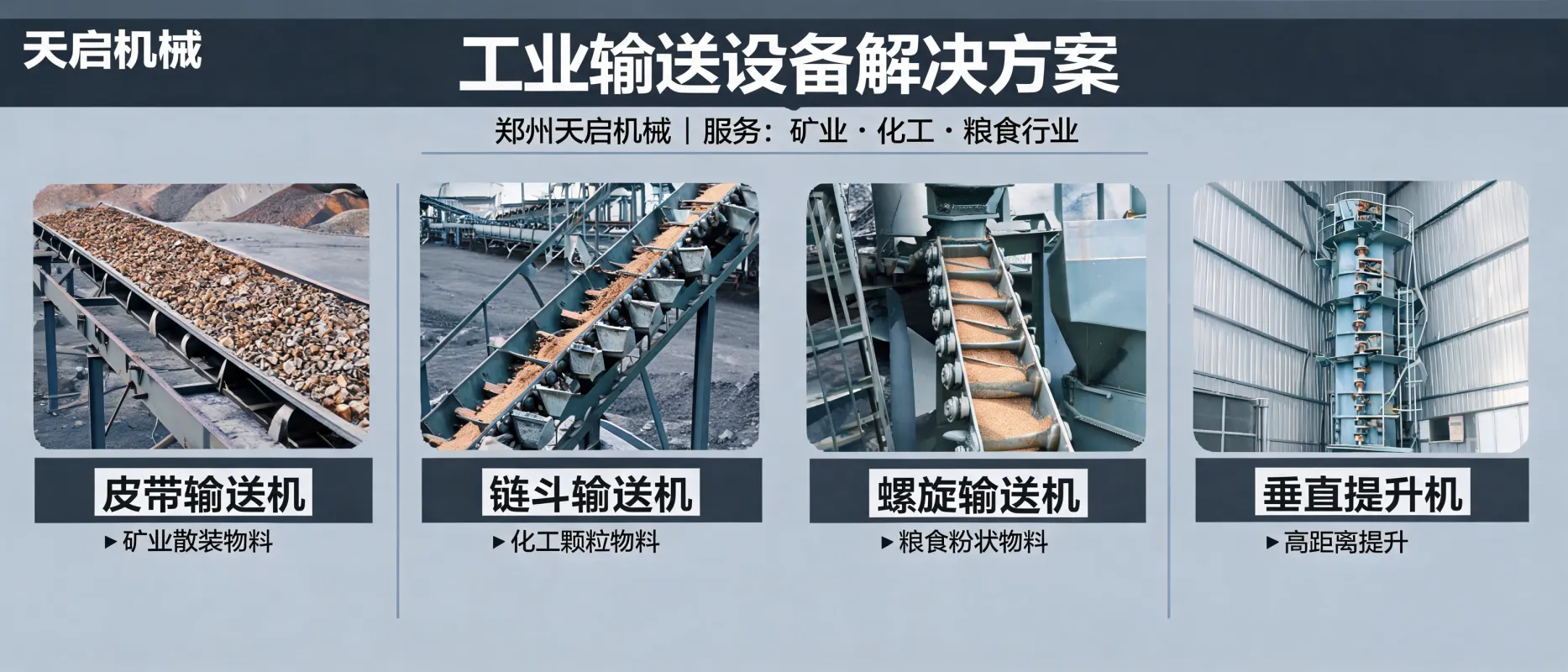
ZhengZhou TianQi Machinery Co., Ltd. belt conveyor chain bucket conveyor screw conveyor vertical elevator
247
|
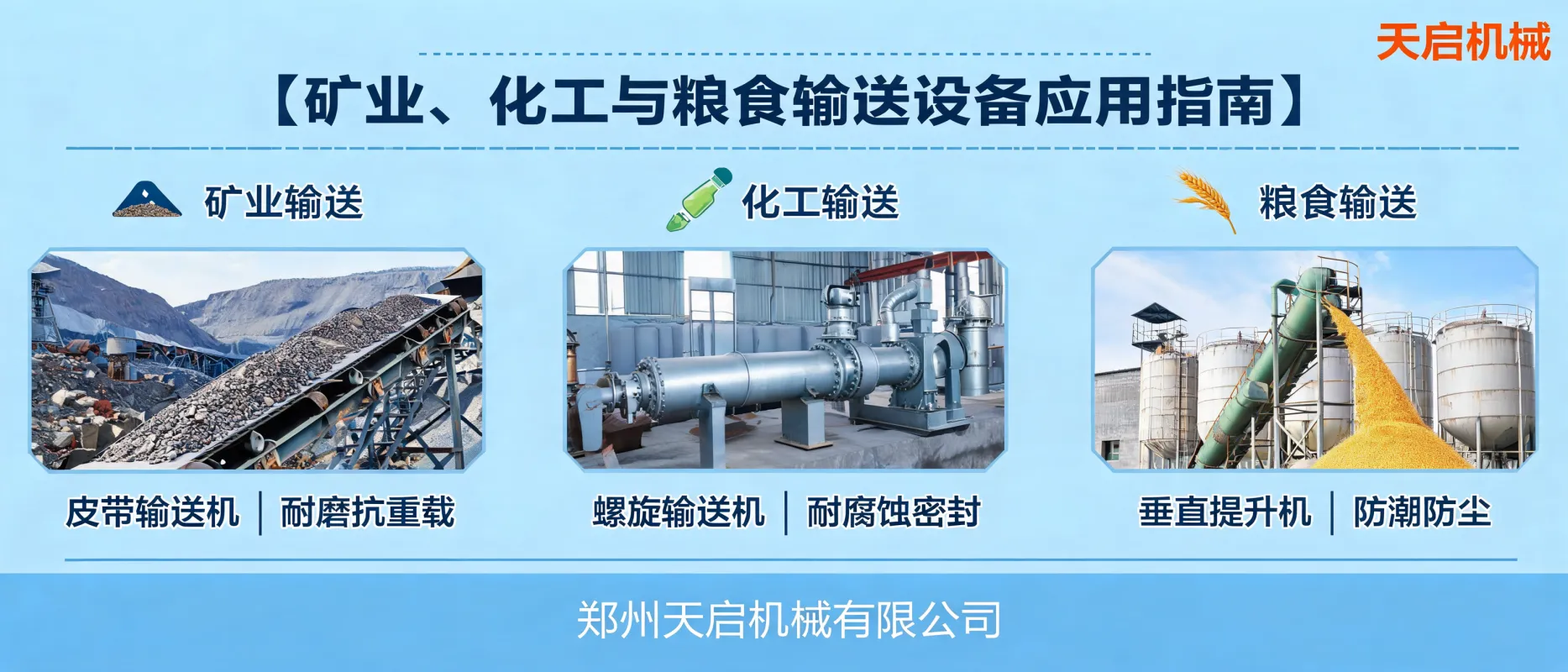
ZhengZhou TianQi Machinery mining conveying equipment chemical conveying equipment grain conveying equipment conveying solutions
429
|
ZhengZhou TianQi Machinery Co., Ltd. conveyor equipment project customized conveyor solution equipment manufacturing export delivery
ZhengZhou TianQi Machinery foreign trade growth customer asset accumulation lead management team collaboration
75
|
ZhengZhou TianQi Machinery industrial conveying solutions conveying equipment manufacturer project delivery global after-sales service
442
|
ZhengZhou TianQi Machinery Co., Ltd. belt conveyor chain bucket conveyor screw conveyor vertical elevator
247
|
ZhengZhou TianQi Machinery mining conveying equipment chemical conveying equipment grain conveying equipment conveying solutions
429
|
ZhengZhou TianQi Machinery Co., Ltd. conveyor equipment project customized conveyor solution equipment manufacturing export delivery