.png?x-oss-process=image/resize,h_100,m_lfit/format,webp)
.png?x-oss-process=image/resize,h_100,m_lfit/format,webp)
.png?x-oss-process=image/resize,h_100,m_lfit/format,webp)
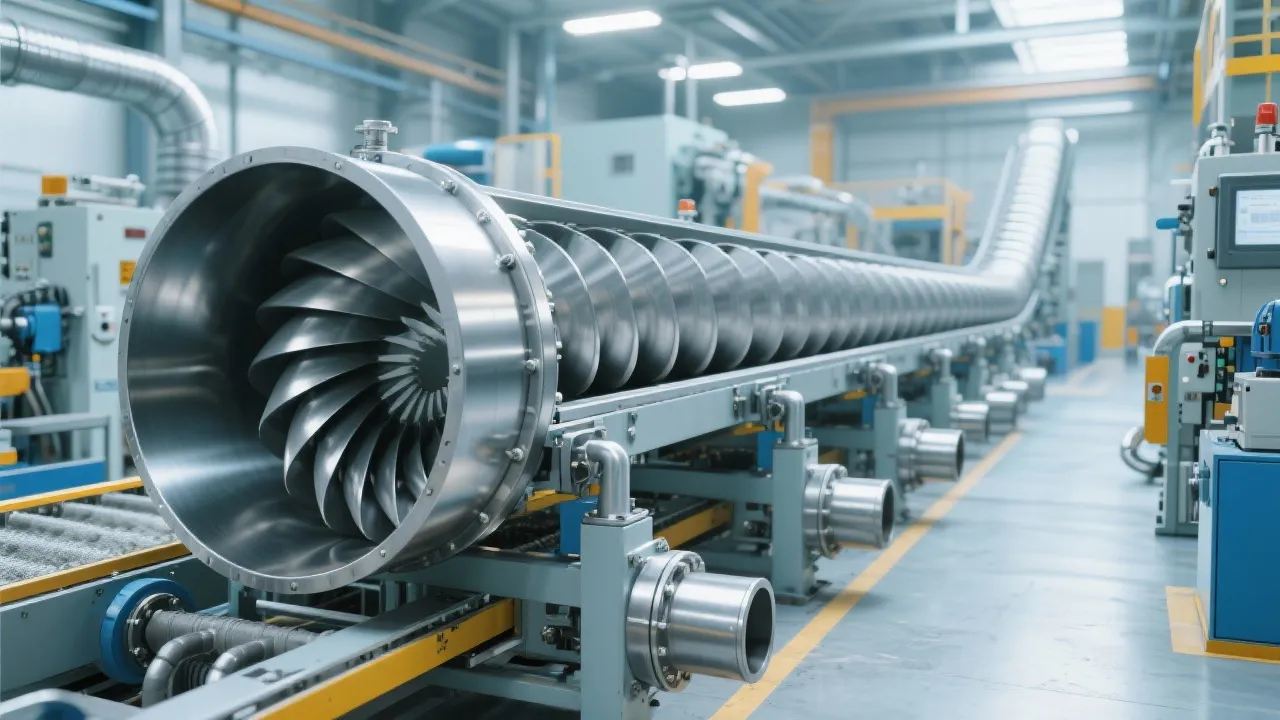
Heavy-duty belt conveyors are indispensable in industries such as mining, chemical, and food processing. However, due to their high-load working environment, they often face the risk of frequent downtime, which significantly affects production efficiency. This article aims to provide practical insights and techniques on how to reduce downtime and improve the overall performance of heavy-duty belt conveyors.
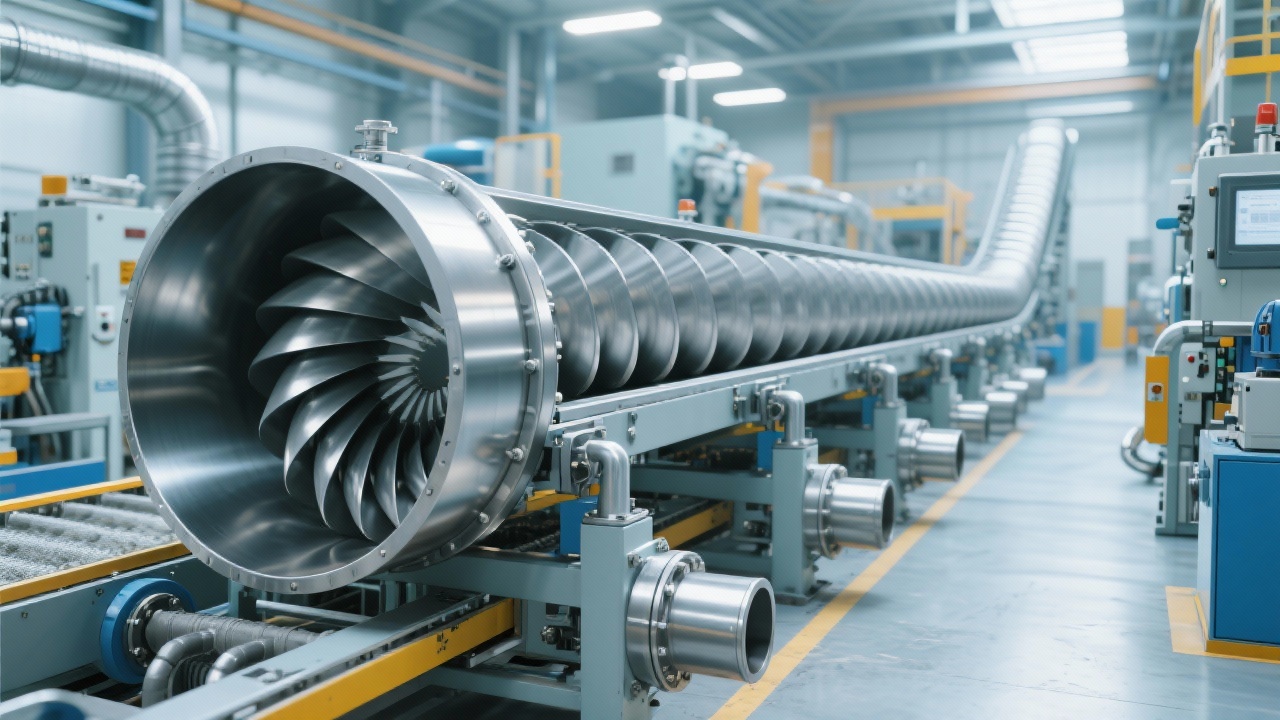
Proper belt tension is crucial for the smooth operation of heavy-duty belt conveyors. Insufficient tension can lead to belt slipping, while excessive tension can cause premature wear and tear. According to industry research, about 30% of conveyor malfunctions are related to improper belt tension. To adjust the belt tension, operators should first identify the appropriate tension range based on the conveyor's design specifications. Then, they can use tensioning devices such as screw tensioners or hydraulic tensioners to fine - tune the tension. It is recommended to check the belt tension at least once a month and make adjustments as needed.
Misaligned pulleys can cause uneven belt wear, increased friction, and even belt misalignment, which may result in unplanned downtime. Approximately 25% of conveyor failures are attributed to pulley misalignment. To correct pulley alignment, technicians can use alignment tools such as laser alignment devices. The process involves measuring the perpendicularity and parallelism of the pulleys and making minor adjustments to ensure they are properly aligned. Regular pulley alignment checks, at least once every three months, can significantly extend the service life of the conveyor belt.
Choosing the right belt material is essential for the long - term operation of heavy - duty belt conveyors. Different industries have different requirements for belt materials. For example, in the mining industry, belts with high abrasion resistance are preferred, while in the food processing industry, belts that meet food safety standards are necessary. Studies show that using appropriate belt materials can reduce conveyor downtime by up to 40%. When selecting a belt material, factors such as load capacity, operating environment, and chemical resistance should be considered.

In addition to the above - mentioned maintenance techniques, implementing a preventive maintenance plan and following safety operation procedures are also crucial for reducing downtime. A preventive maintenance plan should include regular inspections, lubrication, and replacement of worn - out parts. Safety operation procedures, such as proper loading and unloading, and avoiding overloading, can prevent serious damage to the conveyor. According to industry standards, following a preventive maintenance plan can increase the service life of heavy - duty belt conveyors by up to 50%.
Tianqi Machinery is committed to providing high - quality heavy - duty belt conveyors with guaranteed product quality, fast - response services, and professional technical support. Our products are designed to meet the strictest industry standards and can operate efficiently in various harsh working environments. Whether you are in the mining, chemical, or food processing industry, Tianqi Machinery can offer you the most suitable conveyor solutions.
Ready to improve the efficiency of your heavy - duty belt conveyor? Click here to explore Tianqi Machinery's high - performance belt conveyors and professional maintenance services!


 236
|
236
|
 custom conveyor belt system
separated chain structure
industrial conveyor solutions
material handling equipment
high-efficiency belt conveyor
58
|
Mesh belt conveyor customization
Non-standard equipment design
Inclined conveying solutions
Material conveying equipment
High-efficiency material handling
305
|
Heavy - duty screw conveyor
Sealed operation technology
Dust - proof conveying
Efficient material transportation
Multi - point feeding configuration
47
|
Mesh belt conveyor
Customized design
Material conveying equipment
On - time delivery
High - efficiency continuous operation
197
|
custom mesh belt conveyor
high capacity conveyor system
non-standard conveying solution
industrial conveyor integration
heat-resistant conveyor equipment
custom conveyor belt system
separated chain structure
industrial conveyor solutions
material handling equipment
high-efficiency belt conveyor
58
|
Mesh belt conveyor customization
Non-standard equipment design
Inclined conveying solutions
Material conveying equipment
High-efficiency material handling
305
|
Heavy - duty screw conveyor
Sealed operation technology
Dust - proof conveying
Efficient material transportation
Multi - point feeding configuration
47
|
Mesh belt conveyor
Customized design
Material conveying equipment
On - time delivery
High - efficiency continuous operation
197
|
custom mesh belt conveyor
high capacity conveyor system
non-standard conveying solution
industrial conveyor integration
heat-resistant conveyor equipment