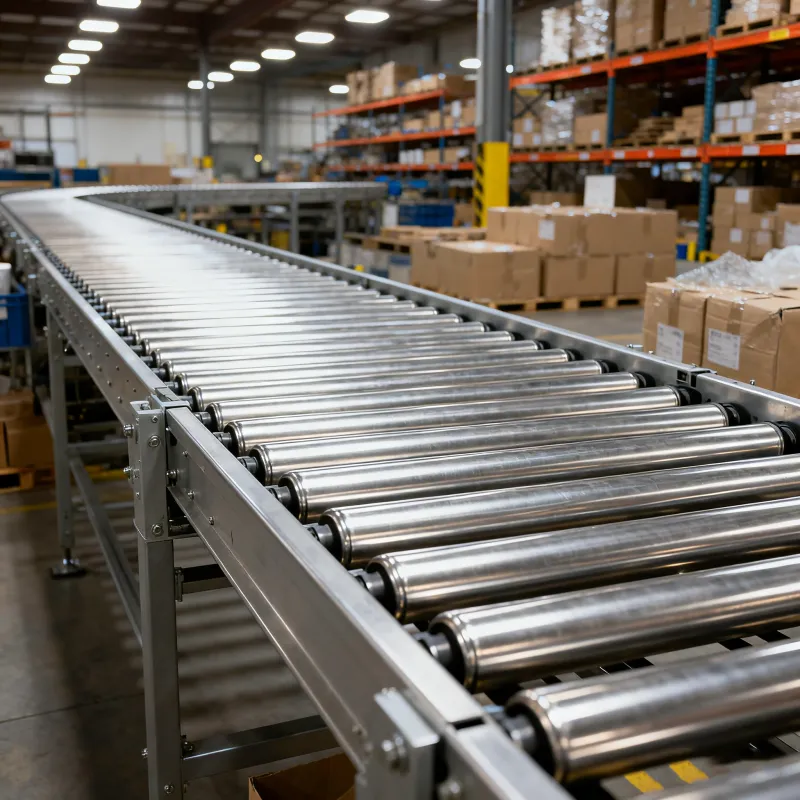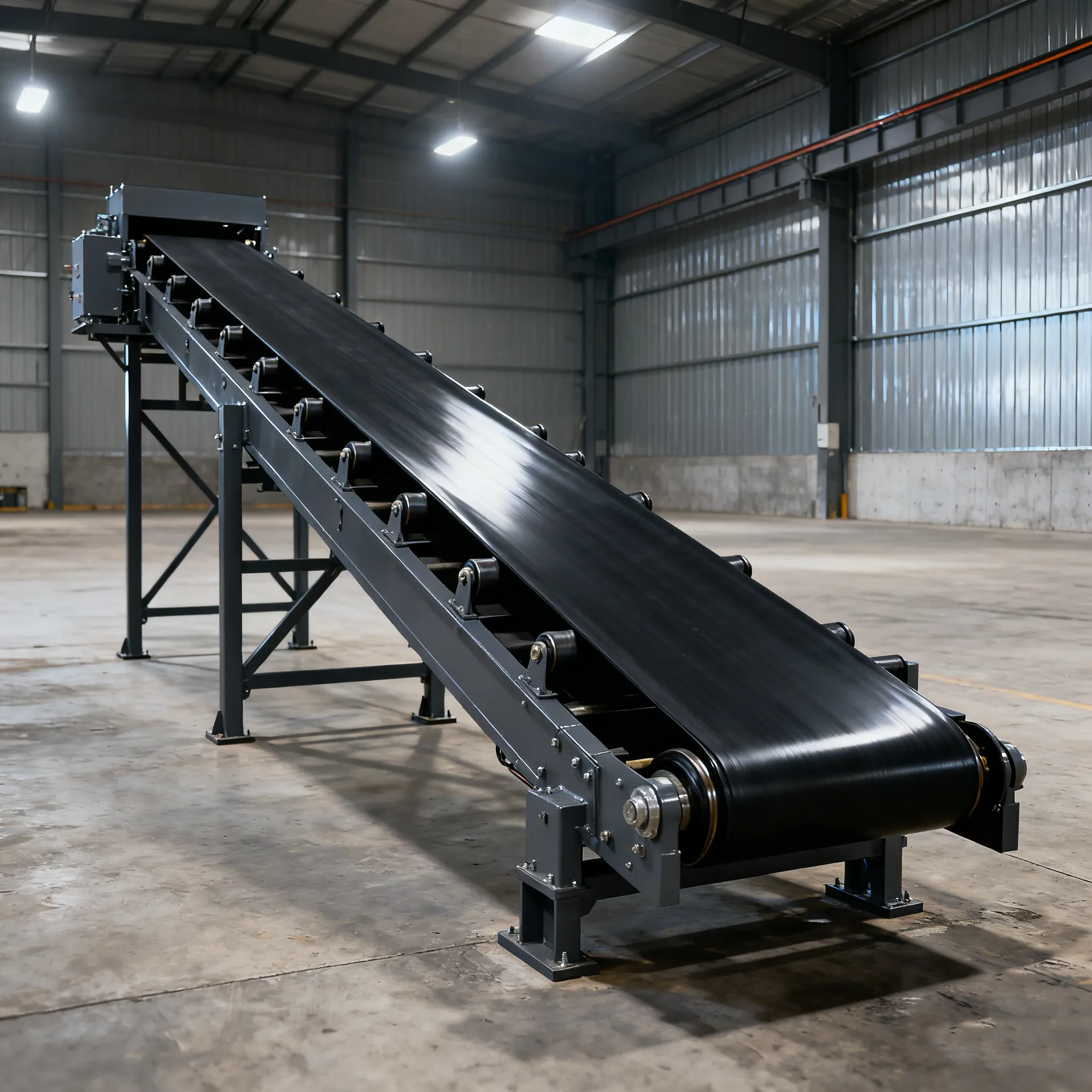
A heavy-duty belt conveyor supports the movement of bulk materials in demanding industrial operations. ZhengZhou TianQi Machinery Co., Ltd. supplies conveyor equipment for industries including mining, chemicals, and grain handling. Regular inspection and preventive maintenance can help operators identify wear early, support reliable operation, and reduce avoidable interruptions.

Maintenance needs vary with conveyor design, operating conditions, conveyed material, and manufacturer requirements. Use the equipment documentation as the primary reference for inspection intervals, adjustment limits, and replacement parts.
Look for cuts, fraying, surface damage, unusual wear, and signs of slippage. Check belt tension using the method and limits specified for the conveyor; avoid tightening by guesswork, as excessive tension can increase stress on components.
Observe the belt during operation from a safe position. Persistent movement toward one side may indicate alignment issues, uneven loading, buildup, or other mechanical causes. Identify the cause before making adjustments.
Check for abnormal noise, vibration, heat, looseness, or visible damage. Follow the equipment instructions for lubrication and inspection, and investigate changes from normal operating conditions promptly.
Inspect transfer points and belt-cleaning areas for accumulated material. Check that material is loaded consistently and in a way that suits the conveyor arrangement and the characteristics of the material being handled.
Belt tension and pulley alignment affect tracking and the operation of the conveyor system. Before adjustment, review the equipment manual and confirm the correct procedure for the specific conveyor.
Belt selection should account for the conveyed material and the operating environment. Consider relevant factors such as material properties, abrasion, temperature, moisture, and loading conditions, then confirm compatibility with the conveyor design and the manufacturer’s recommendations.
Plan conveyor belt replacement when inspection shows damage or wear that cannot be addressed through approved maintenance. Confirm the replacement belt’s specifications and installation procedure against the equipment documentation. If the cause of wear is unclear, investigate operating conditions before returning the conveyor to service.
| Maintenance focus | What to observe | Next step |
|---|---|---|
| Belt and tracking | Damage, slippage, uneven wear, or persistent belt drift | Check loading and alignment; adjust only according to the equipment procedure |
| Conveyor components | Unusual noise, vibration, heat, looseness, or visible damage | Inspect the relevant component and arrange authorized repair when needed |
| Cleanliness and material flow | Buildup, spillage, or inconsistent loading | Follow safe cleaning procedures and review material loading conditions |
Never inspect or service moving conveyor components while the equipment is operating. Follow applicable workplace safety procedures, isolate energy sources before maintenance, and ensure that guards and safety devices are restored before operation. Maintenance and replacement work should be performed by personnel with appropriate training and authorization.
ZhengZhou TianQi Machinery Co., Ltd. focuses on conveyor equipment for industrial material handling. For a heavy-duty belt conveyor, maintenance planning should be based on the actual equipment configuration, operating environment, and manufacturer guidance—not on generic adjustment values.
 398
|
 ZhengZhou TianQi Machinery pneumatic conveying system multifunctional pneumatic conveyor pressure and feeding coordination fault prevention and maintenance
310
|
ZhengZhou TianQi Machinery Co., Ltd. export trade intelligent marketing management platform B2B export businesses customs data export CRM
442
|
ZhengZhou TianQi Machinery custom low-pressure pneumatic conveying system chemical powder transfer material parameter evaluation enclosed conveying pipeline layout
233
|
ZhengZhou TianQi Machinery Co., Ltd. custom low-pressure pneumatic conveying system chemical powder transfer enclosed material conveying pneumatic conveying solution validation
172
|
ZhengZhou TianQi Machinery chemical powder pneumatic conveying pneumatic conveying system low medium high pressure conveying enclosed conveying system