


.png?x-oss-process=image/resize,h_100,m_lfit/format,webp)
.png?x-oss-process=image/resize,h_100,m_lfit/format,webp)
.png?x-oss-process=image/resize,h_100,m_lfit/format,webp)
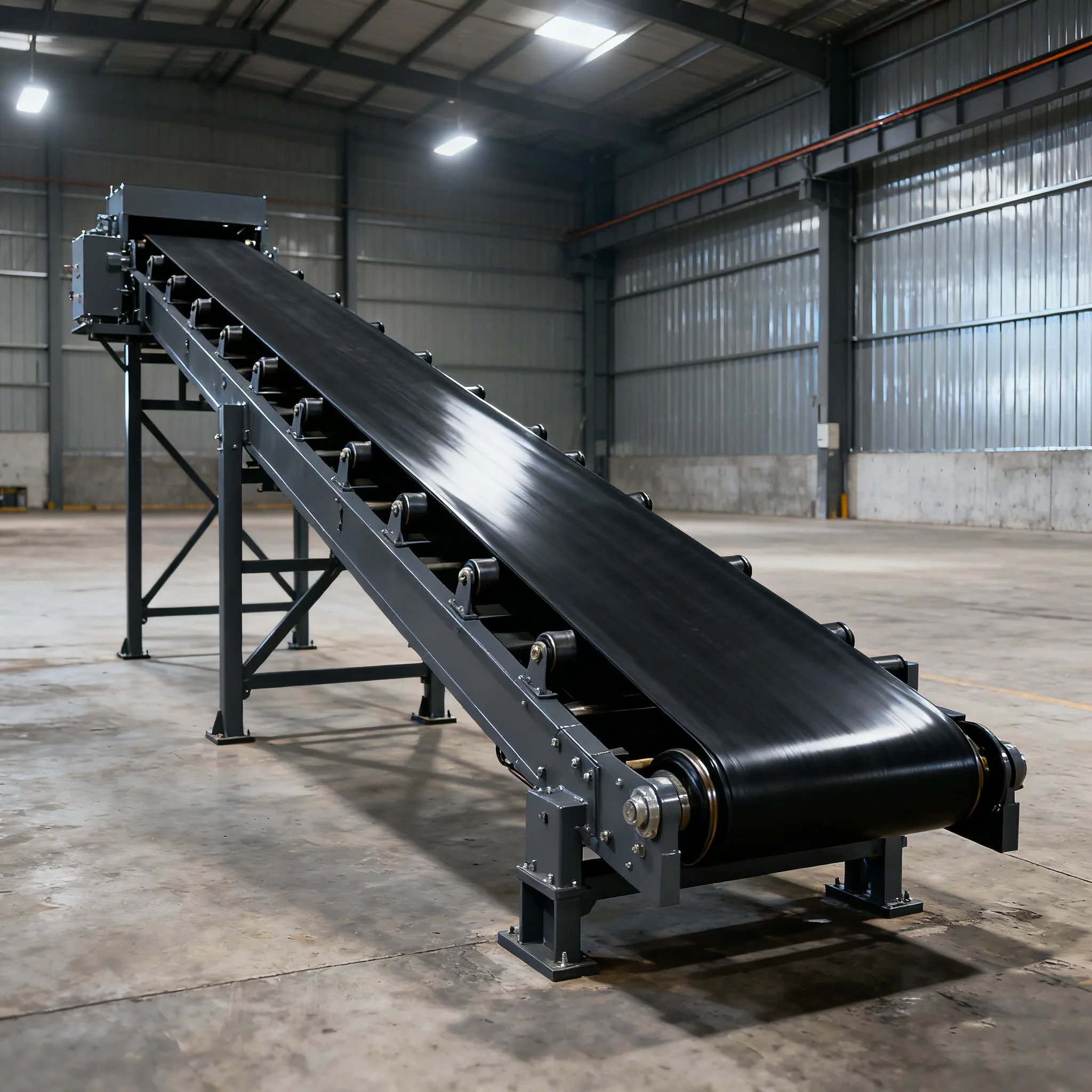
In the industrial sector, the efficient and dust - free transportation of materials is a crucial aspect of production. Heavy - duty screw conveyors play a vital role in this process, especially when dealing with powdery, granular, and small -块状 materials. This article aims to provide a comprehensive guide for procurement officers and technical decision - makers on how to select the most suitable heavy - duty screw conveyors.
Different materials have distinct characteristics, which directly affect the design and performance requirements of heavy - duty screw conveyors. For powdery materials, such as cement or flour, the conveyor needs to have excellent sealing performance to prevent dust leakage. Generally, a sealing efficiency of over 95% is required to ensure a clean working environment. The screw pitch and diameter also need to be carefully designed to ensure smooth material flow. For example, a smaller screw pitch may be more suitable for fine powders to prevent clogging.
When it comes to granular materials like grains or plastic pellets, the conveyor's wear - resistance becomes a key factor. High - quality wear - resistant materials can extend the service life of the conveyor by up to 30%. The conveying capacity is also an important consideration. A conveyor with a conveying capacity of 10 - 50 tons per hour is commonly used in medium - scale production lines.
The conveying distance and lifting height have a significant impact on the design of the screw rotor. As the conveying distance increases, the power consumption of the conveyor also rises. For every 10 - meter increase in conveying distance, the power consumption may increase by about 10 - 15%. Therefore, a more powerful motor and a more robust screw rotor structure are required.
Similarly, when the lifting height is high, the screw rotor needs to be designed to overcome the gravitational force. A steeper screw pitch and a stronger drive system are often necessary. For example, in a situation where the lifting height is over 5 meters, a high - torque motor and a reinforced screw shaft are recommended.

Sealing operation technology is crucial for suppressing dust dispersion and ensuring the stability of material flow. Advanced sealing structures, such as double - layer seals and labyrinth seals, can effectively prevent dust from escaping. In addition, these sealing technologies can also protect the internal components of the conveyor from dust erosion, reducing maintenance costs by up to 20%.
Heavy - duty screw conveyors are known for their sturdy structure and low maintenance cost. The use of high - strength steel and advanced manufacturing processes ensures the long - term stability of the conveyor. The low - maintenance design means that the conveyor only needs regular inspections and minor adjustments, reducing the overall operating cost by about 15 - 20% compared to other types of conveyors.
The multi - point feeding and discharging configuration significantly enhances the flexibility of the production line. It allows materials to be fed or discharged at multiple locations, which is very useful in complex production processes. For example, in a large - scale food processing plant, multi - point feeding can ensure a continuous supply of different raw materials, improving production efficiency by up to 25%.
Let's take a cement production plant as an example. The plant needs to transport cement powder over a long distance with strict dust - control requirements. By selecting a heavy - duty screw conveyor with a suitable screw rotor design, excellent sealing technology, and multi - point feeding and discharging configuration, the plant can achieve efficient and dust - free transportation, reducing environmental pollution and improving production efficiency.
When selecting a heavy - duty screw conveyor, it is necessary to consider factors such as material characteristics, conveying distance, lifting height, and production line requirements. Our company provides high - quality heavy - duty screw conveyors with advanced technology and excellent after - sales service. We can customize the conveyor according to your specific needs.


 187
|
187
|
 high-efficiency motor heavy-duty belt conveyor
conveyor noise reduction technology
energy-saving conveyor systems
preventive maintenance for belt conveyors
mining conveyor solutions
479
|
Heavy-duty screw conveyor selection
Powder material conveying
Granular material conveying
Small块状 material conveying
Dust-free screw conveyor
474
|
Heavy-duty screw conveyor
Dust-free conveying
Sealed conveyor
Industrial dust control
Material conveying equipment
83
|
heavy-duty screw conveyor
dust-free conveying equipment
material conveying selection
sealed screw conveyor
industrial material transport solutions
184
|
Heavy - duty screw conveyor selection
High - efficiency dust - free conveying equipment
Screw conveyor sealing technology
Powdery material conveying solution
Industrial material handling solution
high-efficiency motor heavy-duty belt conveyor
conveyor noise reduction technology
energy-saving conveyor systems
preventive maintenance for belt conveyors
mining conveyor solutions
479
|
Heavy-duty screw conveyor selection
Powder material conveying
Granular material conveying
Small块状 material conveying
Dust-free screw conveyor
474
|
Heavy-duty screw conveyor
Dust-free conveying
Sealed conveyor
Industrial dust control
Material conveying equipment
83
|
heavy-duty screw conveyor
dust-free conveying equipment
material conveying selection
sealed screw conveyor
industrial material transport solutions
184
|
Heavy - duty screw conveyor selection
High - efficiency dust - free conveying equipment
Screw conveyor sealing technology
Powdery material conveying solution
Industrial material handling solution


