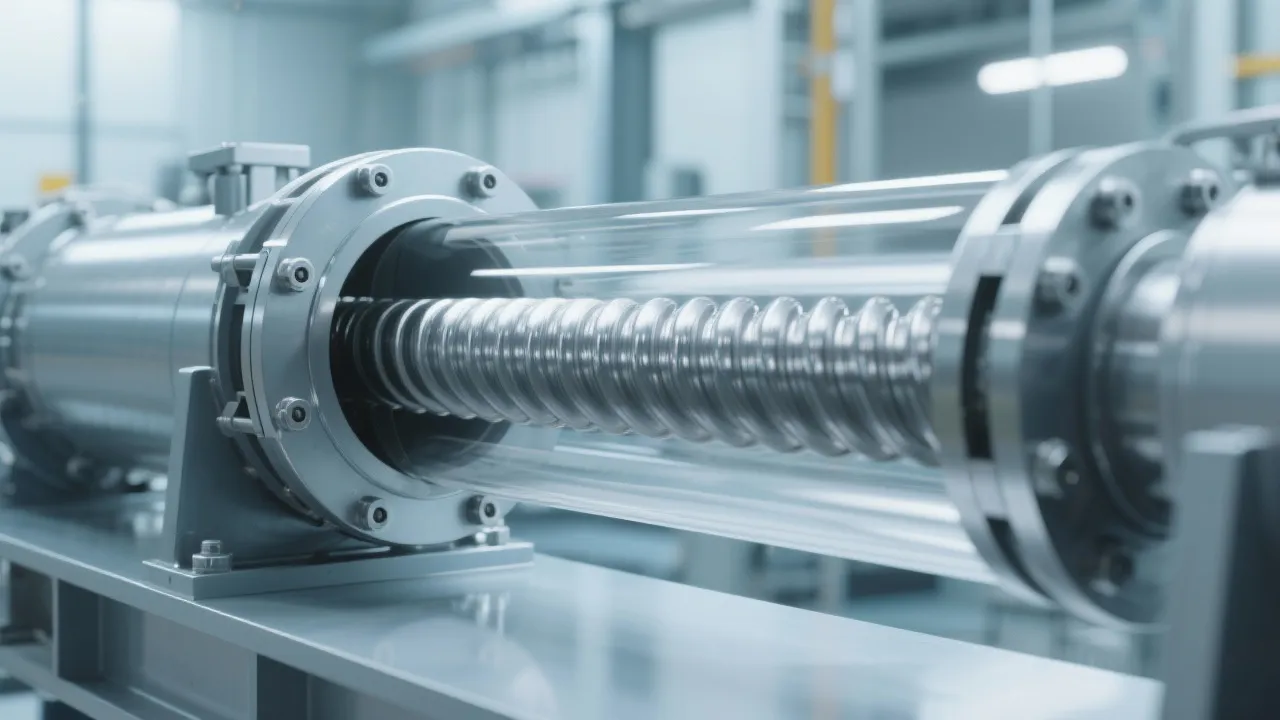
.png?x-oss-process=image/resize,h_100,m_lfit/format,webp)
.png?x-oss-process=image/resize,h_100,m_lfit/format,webp)
.png?x-oss-process=image/resize,h_100,m_lfit/format,webp)
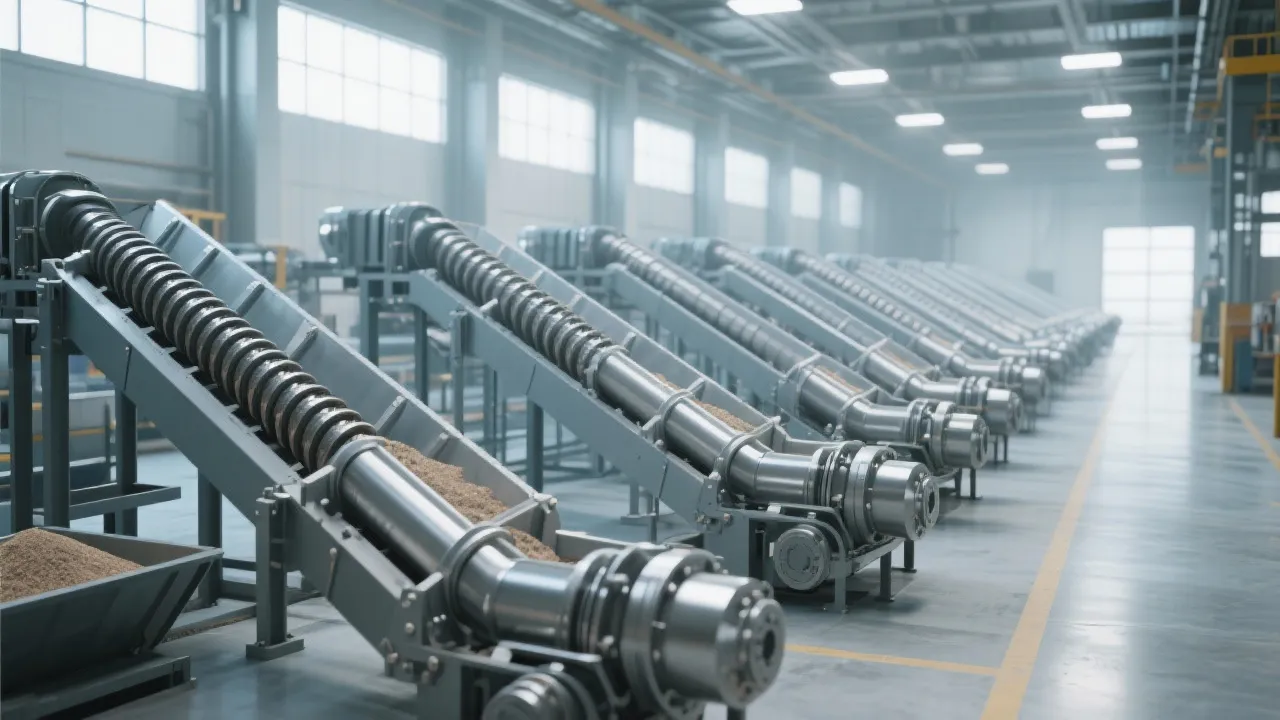
When handling bulk materials such as powders, granules, or small lumps across industries like mining, cement production, and construction, selecting the right heavy-duty screw conveyor is critical for operational efficiency and environmental compliance. Are you struggling with dust leaks or uncertain about how to configure your conveyor for long distances or vertical lifts? This guide walks you through essential factors—including conveying distance, elevation, rotor design, and sealing technology—to help you make informed, technically sound choices that save costs and improve productivity.
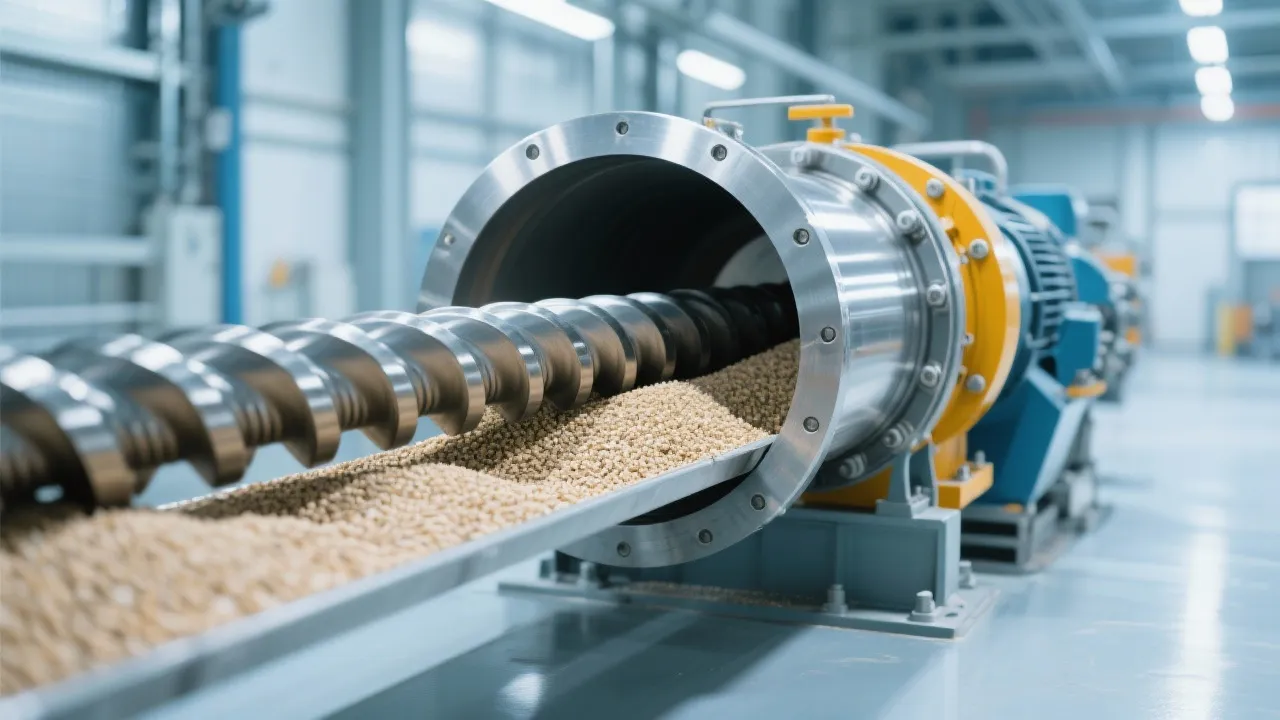
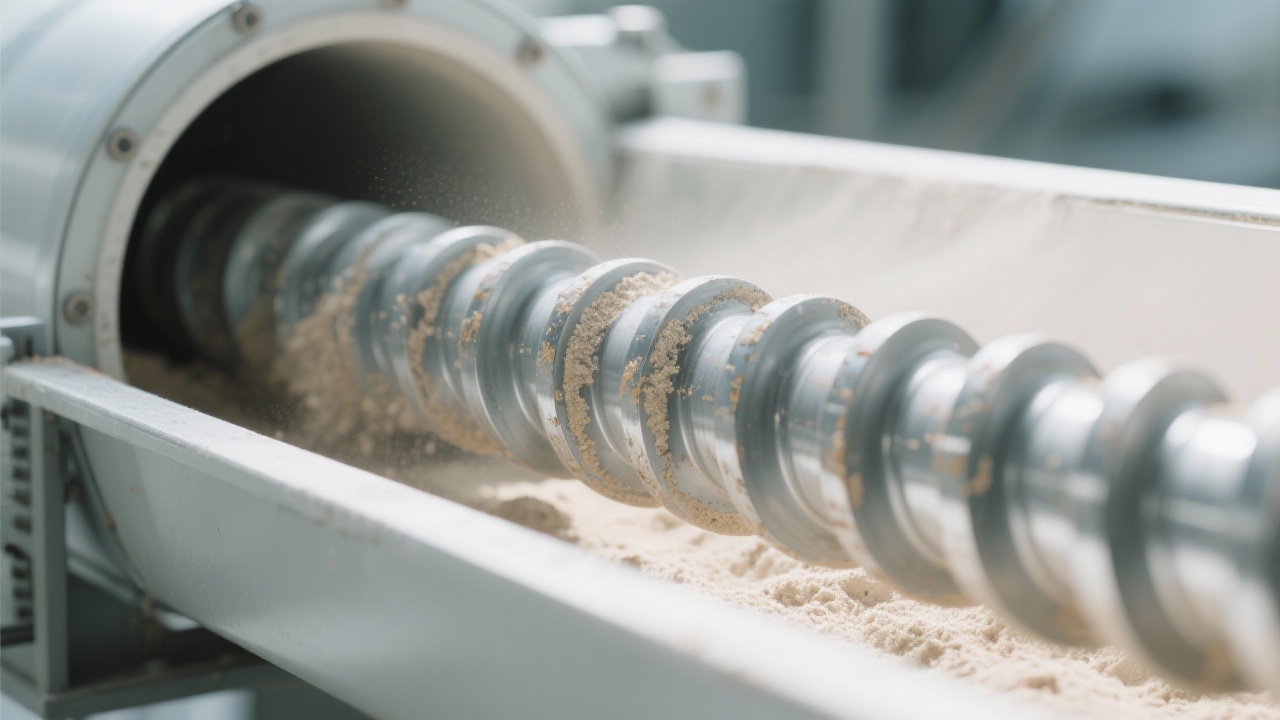
The physical characteristics of your bulk material significantly influence screw conveyor performance. Powder-like materials tend to behave as a semi-fluid but generate dust, requiring tight sealing and careful rotor shaping to minimize leakage. Granular materials offer better flowability but may cause uneven load distribution on the rotor. Small lumps or aggregates increase the risk of blockage and uneven wear.
Typically, rotors designed for powders feature tighter clearances and dust-proofing seals, whereas rotors for lumps emphasize robust construction to resist abrasion. Adjusting the pitch and diameter according to material size and density can optimize throughput and reduce energy consumption.
Your screw conveyor must accommodate horizontal transporting distances up to 150 meters and vertical lifts to 20 meters, depending on your process layout. These parameters directly affect shaft strength, motor power requirements, and feeding mechanisms. For example, conveying powders over 100 meters requires incremental feeding points or multi-stage conveyors to maintain consistent flow and prevent material degradation.
Here's a quick reference for typical maximum capacities based on conveying distance and elevation:
| Parameter | Recommended Maximum | Operational Tip |
|---|---|---|
| Horizontal Conveying Distance | 150 meters | Consider multi-point feeding to maintain flow |
| Vertical Elevation | 20 meters | Use reinforced shafts and increased motor torque |
| Material Types | Powder, Granules, Small Lumps — each requires tailored rotor designs | |
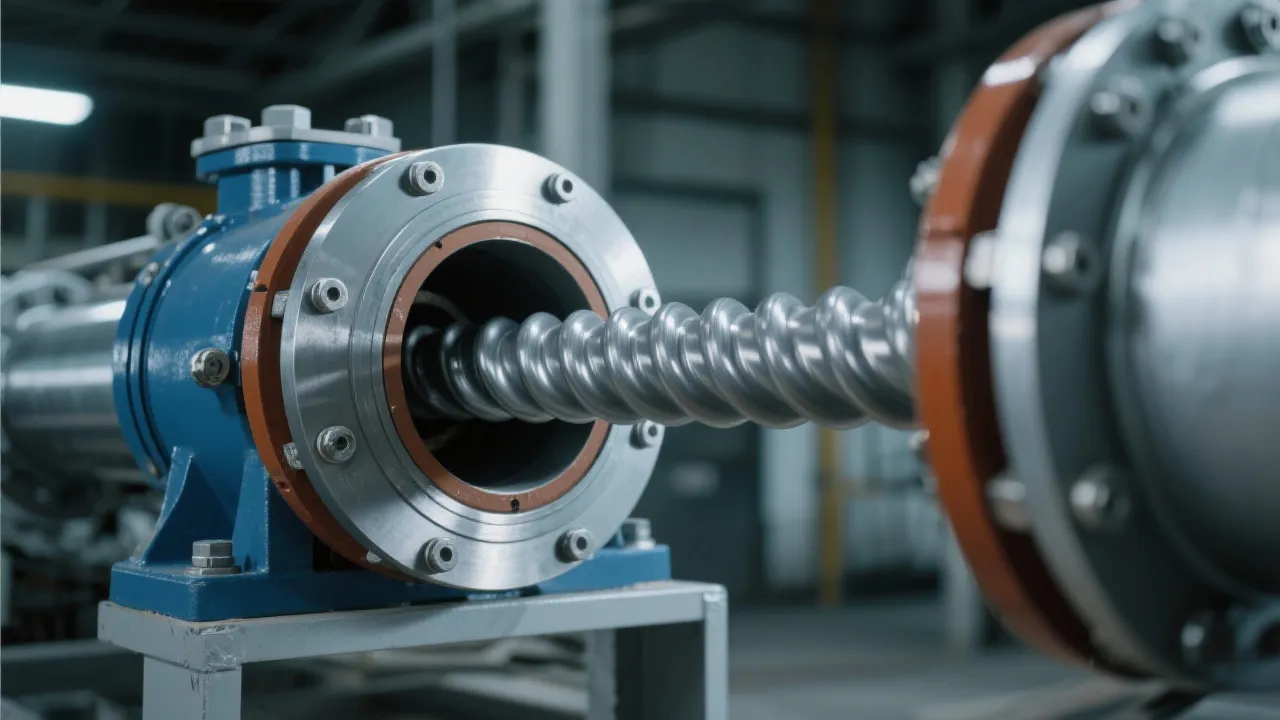
Dust leakage isn't just an environmental compliance issue; it severely impacts worker safety and equipment longevity. Modern sealing solutions, such as labyrinth seals, inflatable seals, or double-lip seals, effectively contain dust within the conveying system. Properly sealed heavy-duty screw conveyors not only reduce maintenance frequency but also improve the overall workspace cleanliness.
Have you experienced challenges with dust leaks in your current system? Implementing state-of-the-art sealing designs could be the pivot you need for operational excellence.
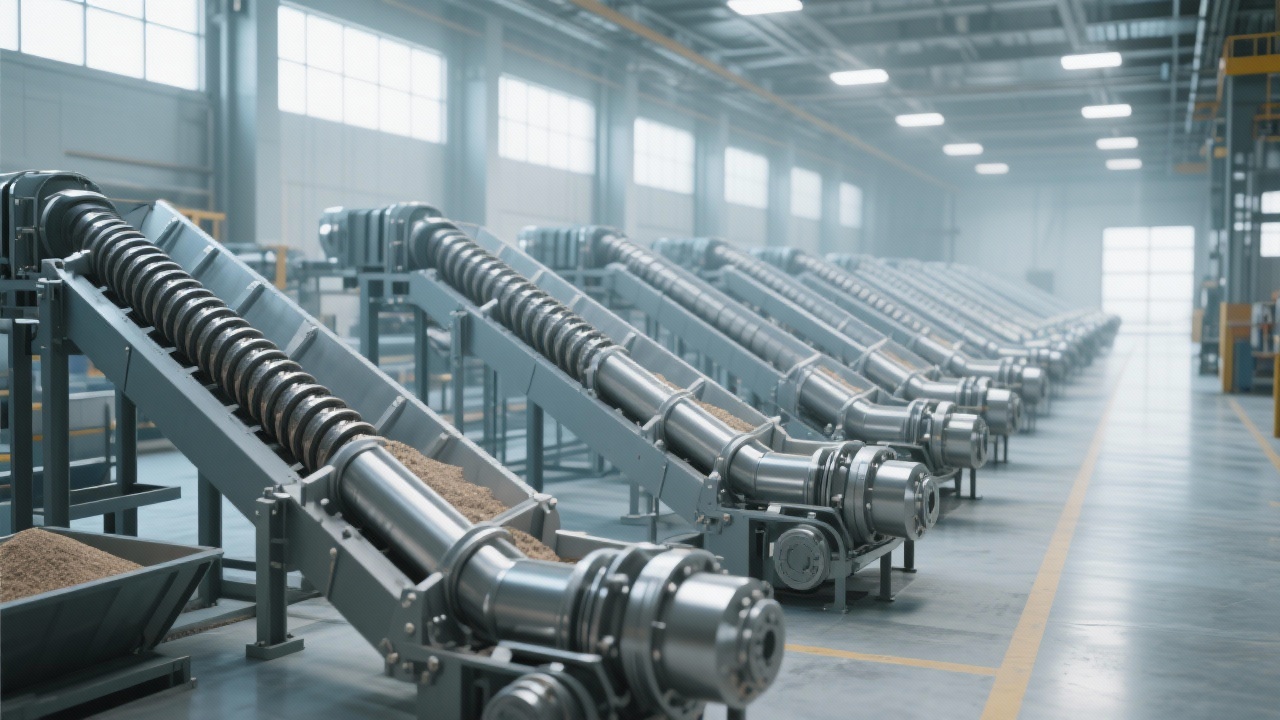
Contrary to belt or pneumatic conveyors, heavy-duty screw conveyors boast lower maintenance costs, higher reliability, and easier integration into complex production lines. Their simple mechanical design reduces downtime and parts replacement rates, and they can be configured flexibly for multiple feeding and discharging points.
The economic advantage becomes particularly evident in industrial environments like cement plants, mining operations, or construction sites where consistent material handling is vital.

Effective screw conveyor selection transcends technical specs. Space constraints may limit shaft length; energy efficiency goals might prioritize variable speed drives, while after-sales support ensures rapid troubleshooting and parts availability.
Engage your equipment supplier early to discuss these practical considerations. It will reduce costly redesigns and guarantee sustainable operation.


 105
|
105
|
 Heavy - duty screw conveyor
Dust - free transportation
Material conveying equipment
Sealed transportation technology
Conveyor selection
243
|
heavy-duty screw conveyor
dust-free material handling
screw conveyor selection guide
industrial conveying solutions
sealed screw conveyor
185
|
heavy-duty screw conveyor
dust-free material handling
conveyor performance parameters
sealing technology
multi-point feeding system
212
|
heavy-duty screw conveyor
sealing technology
dust-free conveying
material handling equipment
multi-point feed discharge
197
|
custom mesh belt conveyor
high capacity conveyor system
non-standard conveying solution
industrial conveyor integration
heat-resistant conveyor equipment
Heavy - duty screw conveyor
Dust - free transportation
Material conveying equipment
Sealed transportation technology
Conveyor selection
243
|
heavy-duty screw conveyor
dust-free material handling
screw conveyor selection guide
industrial conveying solutions
sealed screw conveyor
185
|
heavy-duty screw conveyor
dust-free material handling
conveyor performance parameters
sealing technology
multi-point feeding system
212
|
heavy-duty screw conveyor
sealing technology
dust-free conveying
material handling equipment
multi-point feed discharge
197
|
custom mesh belt conveyor
high capacity conveyor system
non-standard conveying solution
industrial conveyor integration
heat-resistant conveyor equipment