


.png?x-oss-process=image/resize,h_100,m_lfit/format,webp)
.png?x-oss-process=image/resize,h_100,m_lfit/format,webp)
.png?x-oss-process=image/resize,h_100,m_lfit/format,webp)
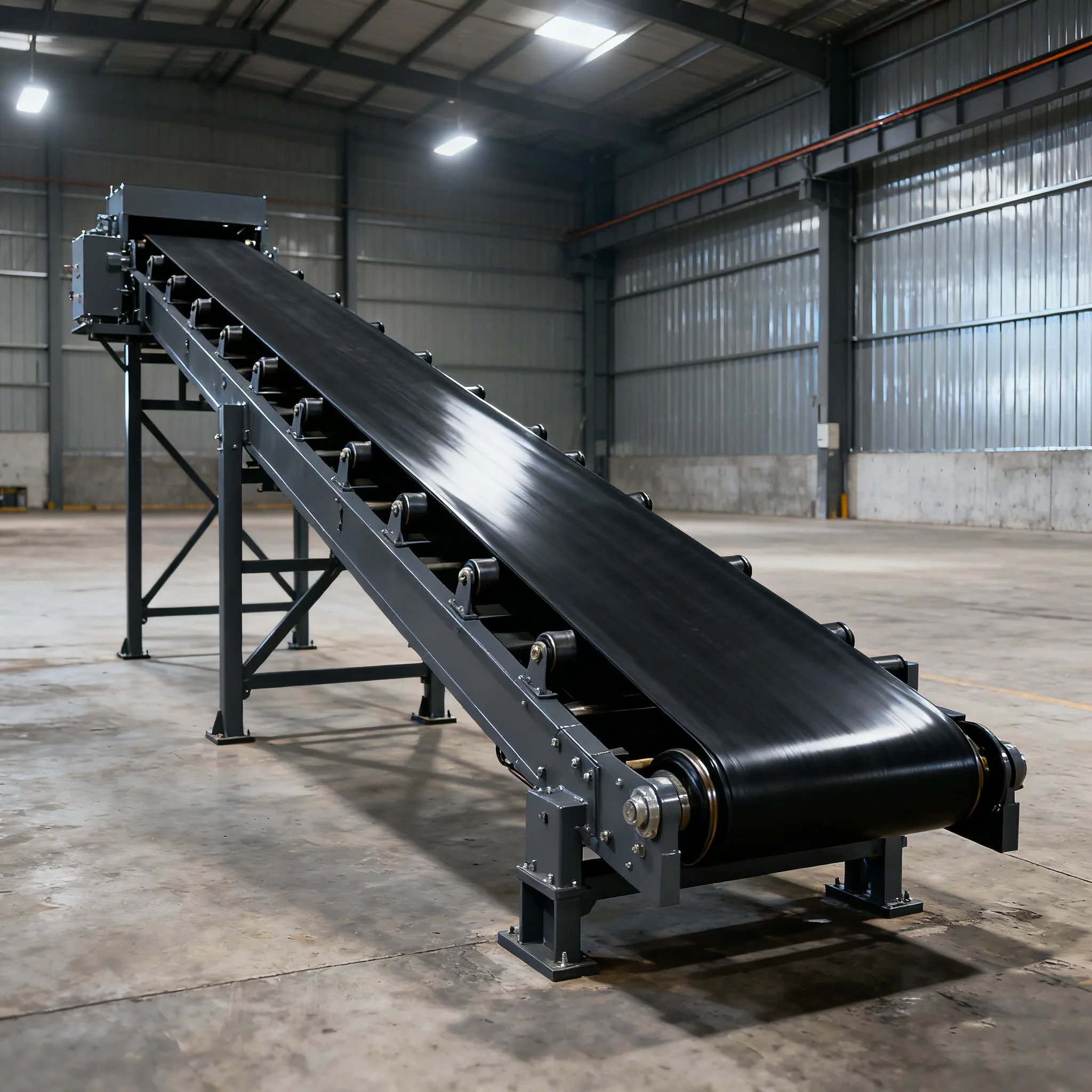
In today’s industrial landscape, material handling systems face growing demands for enhanced efficiency, environmental safety, and operational cost reduction. Among these solutions, heavy-duty screw conveyors stand out as a preferred choice for factories seeking to balance durability with low maintenance costs. This article delves into the key engineering attributes and operational benefits shaping the selection of these conveyors, guiding procurement professionals and technical decision-makers toward scientifically optimized, dust-free transport systems.
Selecting the right heavy-duty screw conveyor hinges on understanding several critical performance parameters:
Heavy-duty screw conveyors must adapt to diverse material types:
Operating environments also influence design specifications. Facilities prioritizing environmental safety and workplace cleanliness benefit significantly from conveyors equipped with advanced dust containment solutions.
A growing number of factories implement sealed running technology in their heavy-duty screw conveyors to drastically reduce dust escape and cross-contamination risks. This technology incorporates precision-engineered seals and gasket systems, delivering:
The hallmark of heavy-duty screw conveyors is their robust structural design, often fabricated from high-grade steel alloys with anti-corrosion treatments. These enhancements translate into:
To meet the complexity of modern production lines, multi-point feed and discharge configurations have become indispensable. This flexibility offers:
A cement production facility implemented a state-of-the-art heavy-duty screw conveyor system equipped with sealed operation and multi-point discharge. Results over a 12-month period included:
Decision-makers aiming for a balance of performance, longevity, and operational cost-efficiency should prioritize suppliers offering transparent technical data sheets, third-party certifications, and on-site support services. Detailed comparative analysis of rotor design, sealing effectiveness, and modularity will empower procurement strategies that align with long-term production goals.


 479
|
479
|
 Heavy-duty screw conveyor selection
Powder material conveying
Granular material conveying
Small块状 material conveying
Dust-free screw conveyor
368
|
heavy-duty screw conveyor
multi-point feeding and discharging
dust-free material handling
screw conveyor design
industrial conveyor systems
212
|
heavy-duty screw conveyor
sealing technology
dust-free conveying
material handling equipment
multi-point feed discharge
197
|
custom mesh belt conveyor
high capacity conveyor system
non-standard conveying solution
industrial conveyor integration
heat-resistant conveyor equipment
184
|
Heavy - duty screw conveyor selection
High - efficiency dust - free conveying equipment
Screw conveyor sealing technology
Powdery material conveying solution
Industrial material handling solution
Heavy-duty screw conveyor selection
Powder material conveying
Granular material conveying
Small块状 material conveying
Dust-free screw conveyor
368
|
heavy-duty screw conveyor
multi-point feeding and discharging
dust-free material handling
screw conveyor design
industrial conveyor systems
212
|
heavy-duty screw conveyor
sealing technology
dust-free conveying
material handling equipment
multi-point feed discharge
197
|
custom mesh belt conveyor
high capacity conveyor system
non-standard conveying solution
industrial conveyor integration
heat-resistant conveyor equipment
184
|
Heavy - duty screw conveyor selection
High - efficiency dust - free conveying equipment
Screw conveyor sealing technology
Powdery material conveying solution
Industrial material handling solution


