


.png?x-oss-process=image/resize,h_100,m_lfit/format,webp)
.png?x-oss-process=image/resize,h_100,m_lfit/format,webp)
.png?x-oss-process=image/resize,h_100,m_lfit/format,webp)
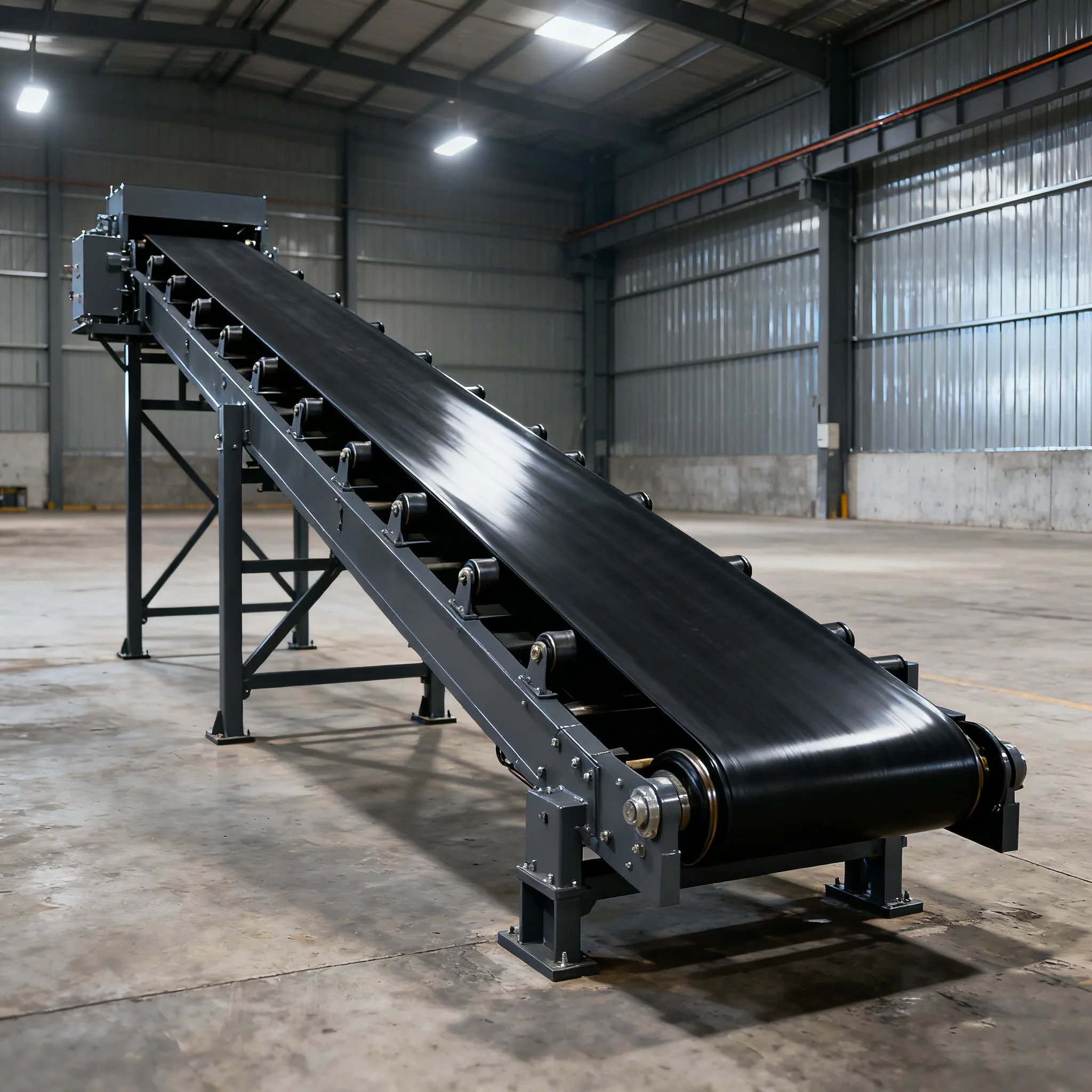
In the realm of heavy industry, optimizing material handling equipment plays a vital role in boosting production throughput and maintaining environmental safety. Heavy-duty screw conveyors have become indispensable in transporting bulk materials efficiently while curbing dust emissions and material loss. This article delves into crucial performance parameters and practical considerations necessary for selecting the ideal high-efficiency, dust-free screw conveyor tailored to specific production demands.
Heavy-duty screw conveyors are robust mechanical devices designed to move granular, powdered, or semi-solid materials through a rotating helical screw within a tube or trough. They excel in industries such as cement manufacturing, mining, chemical processing, and food production, where reliable, continuous feeding and precise material handling are critical.
Their adaptability to different material properties—including bulk density (typically 500–1800 kg/m³), moisture content, and abrasiveness—makes them suitable for conveying:
Selecting the right heavy-duty screw conveyor involves harmonizing equipment capabilities with specific operational demands. Key parameters include:
| Parameter | Typical Range | Impact on Selection |
|---|---|---|
| Conveying Distance | Up to 50 meters | Determines motor power and screw design |
| Vertical Lift Height | Up to 15 meters | Affects torque requirements and shaft strength |
| Screw Diameter and Pitch | 50 mm – 1000 mm | Govern throughput capacity and material flow rate |
| Material Characteristics | Bulk density, abrasiveness, moisture | Influences wear-resistant coatings and shaft speed |
One of the paramount challenges when dealing with bulk powders and fine granules is controlling dust dispersion and avoiding contamination. Heavy-duty screw conveyors equipped with advanced sealing systems ensure airtight operation by:
For example, a cement plant reported a 30% reduction in workplace dust levels after switching to a sealed screw conveyor system featuring dual mechanical seals. This improvement not only safeguarded worker health but also reduced material waste by approximately 7%.
Modern production lines benefit significantly from screw conveyors designed with multi-point inlets and outlets. This configuration enables:
Implementation of such multi-point systems has shown up to a 15% increase in overall line throughput due to streamlined material distribution and reduced downtime between process stages.

Heavy-duty screw conveyors are subjected to continuous operation in abrasive and harsh environments. Therefore, selecting equipment with wear-resistant materials — such as hardened steel or tungsten-carbide coatings — significantly extends service life.
Additionally, simplified maintenance features like easily replaceable screw flights, quick-access bearing assemblies, and modular components contribute to reduced downtime and maintenance expenses. Facilities adopting these conveyors often report maintenance hours cut by 25-35% annually.
Successful selection requires integrating quantitative data, including expected throughput (typically 1 to 30 tons/hour), motor power ratings (from 0.5 kW to over 75 kW), and compliance with standards such as ISO 5048 for screw conveyors and local environmental regulations.
Case studies demonstrate that aligning these parameters with process requirements and environmental constraints results in reduced operational costs and higher system reliability.
Leverage cutting-edge sealing technologies, multi-point flexibility, and robust design tailored for your specific bulk material challenges. Contact our experts today to request a customized solution and benefit from comprehensive after-sales support.
Explore Heavy-Duty Screw Conveyors Now


 187
|
187
|
 high-efficiency motor heavy-duty belt conveyor
conveyor noise reduction technology
energy-saving conveyor systems
preventive maintenance for belt conveyors
mining conveyor solutions
229
|
Heavy-duty screw conveyor
Multi-point feeding and discharging
Dust-free conveying
Selection guide
Sealed operation technology
211
|
heavy-duty screw conveyor
sealing technology
dust-free conveying
material handling equipment
multi-point feed discharge
83
|
heavy-duty screw conveyor
dust-free conveying equipment
material conveying selection
sealed screw conveyor
industrial material transport solutions
184
|
Heavy - duty screw conveyor selection
High - efficiency dust - free conveying equipment
Screw conveyor sealing technology
Powdery material conveying solution
Industrial material handling solution
high-efficiency motor heavy-duty belt conveyor
conveyor noise reduction technology
energy-saving conveyor systems
preventive maintenance for belt conveyors
mining conveyor solutions
229
|
Heavy-duty screw conveyor
Multi-point feeding and discharging
Dust-free conveying
Selection guide
Sealed operation technology
211
|
heavy-duty screw conveyor
sealing technology
dust-free conveying
material handling equipment
multi-point feed discharge
83
|
heavy-duty screw conveyor
dust-free conveying equipment
material conveying selection
sealed screw conveyor
industrial material transport solutions
184
|
Heavy - duty screw conveyor selection
High - efficiency dust - free conveying equipment
Screw conveyor sealing technology
Powdery material conveying solution
Industrial material handling solution


