.png?x-oss-process=image/resize,h_100,m_lfit/format,webp)
.png?x-oss-process=image/resize,h_100,m_lfit/format,webp)
.png?x-oss-process=image/resize,h_100,m_lfit/format,webp)
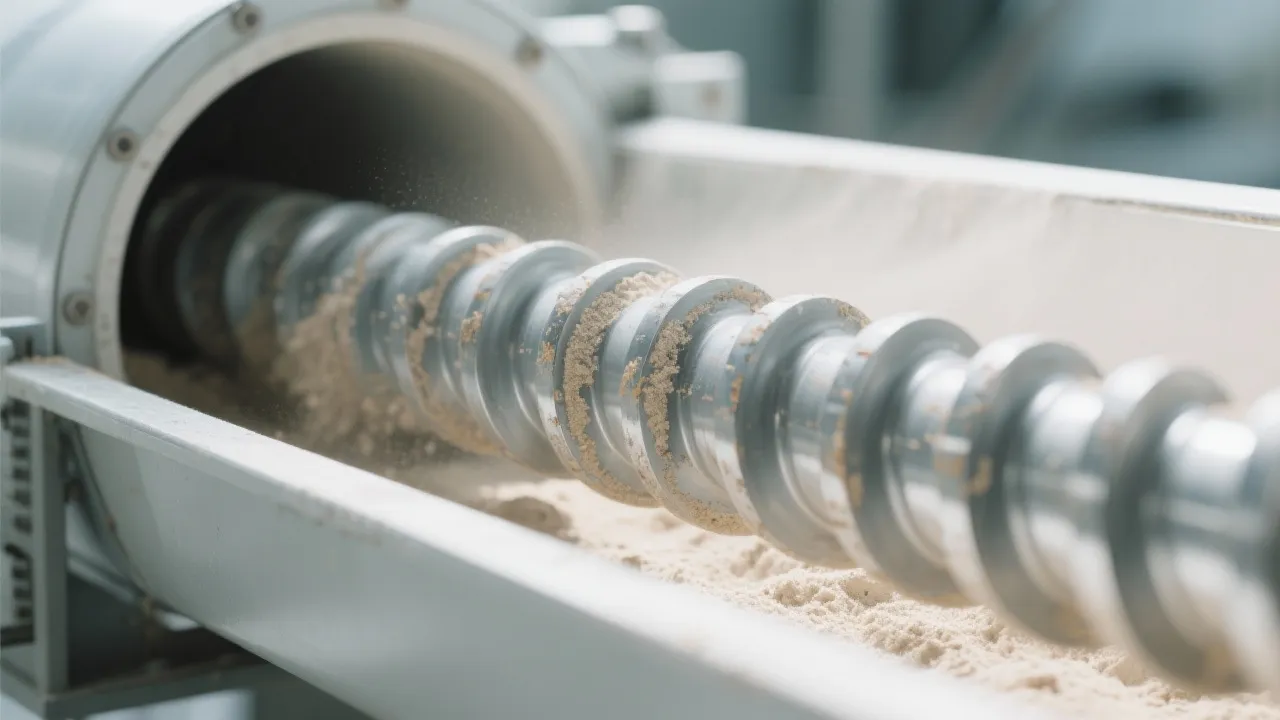
In industries like cement production, metallurgy, and waste processing, conveying hot bulk materials—such as clinker or ash residue—isn’t just a routine task—it’s a daily engineering challenge. According to internal data from over 120 industrial clients, open-chain conveyors suffer from an average of 42% higher dust emissions, 30% shorter component life, and 18% more energy consumption under high-temperature conditions (above 250°C).
When hot materials move through unsealed systems, they create a perfect storm: airborne particles degrade air quality, thermal expansion causes misalignment, and friction increases wear on chains and sprockets. For example, one major cement plant in Indonesia reported a 7-week downtime in Q1 due to chain failure caused by overheating—a loss equivalent to $240,000 in productivity.
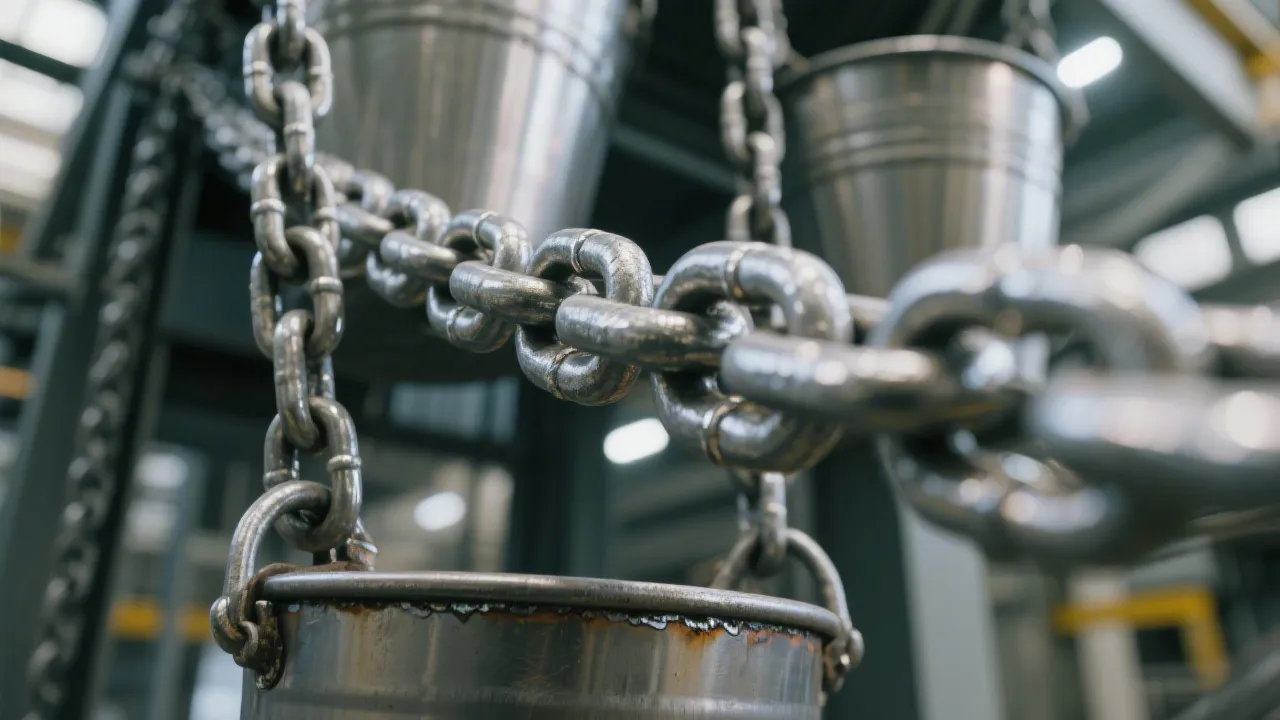
At Tianqi Machinery, we’ve engineered semi-closed chain bucket conveyors that address these issues at their root:
These features aren’t theoretical—they’re proven in real-world applications. A leading steel mill in India saw a 33% drop in maintenance calls within six months after switching to our semi-closed system.
Even the best systems need care. Here are top signs your conveyor may be struggling:
Recommended maintenance schedule: Weekly visual checks, monthly lubrication, quarterly structural inspection. This approach has helped clients achieve a 98% uptime rate in continuous operations.
“What sets us apart is not just the design—it’s how we think about long-term performance. Our engineers don’t just build machines; they solve problems.”
— Li Wei, Senior Mechanical Engineer, Tianqi Machinery
If you're facing recurring issues with high-temp material handling—or simply want to future-proof your operation—don't wait until the next breakdown. Let us help you optimize your process before it becomes a crisis.


 59
|
59
|
 Mesh belt conveyor
Separated chain structure
Customized material handling equipment
Industrial conveyor system optimization
Efficient continuous production
338
|
heavy-duty screw conveyor
dust-free material handling
sealed operation technology
multi-point feed discharge
conveyor selection criteria
275
|
mesh belt conveyor application
cement industry conveyor equipment
paper industry material handling
customized non-standard conveyor
efficient material transport solutions
402
|
Heavy - duty screw conveyor
Multi - point feeding and discharging
High - efficiency dust - free transportation
Material conveying equipment
Industrial screw conveyor
47
|
Mesh belt conveyor
Customized design
Material conveying equipment
On - time delivery
High - efficiency continuous operation
Mesh belt conveyor
Separated chain structure
Customized material handling equipment
Industrial conveyor system optimization
Efficient continuous production
338
|
heavy-duty screw conveyor
dust-free material handling
sealed operation technology
multi-point feed discharge
conveyor selection criteria
275
|
mesh belt conveyor application
cement industry conveyor equipment
paper industry material handling
customized non-standard conveyor
efficient material transport solutions
402
|
Heavy - duty screw conveyor
Multi - point feeding and discharging
High - efficiency dust - free transportation
Material conveying equipment
Industrial screw conveyor
47
|
Mesh belt conveyor
Customized design
Material conveying equipment
On - time delivery
High - efficiency continuous operation