.png?x-oss-process=image/resize,h_100,m_lfit/format,webp)
.png?x-oss-process=image/resize,h_100,m_lfit/format,webp)
.png?x-oss-process=image/resize,h_100,m_lfit/format,webp)

ZhengZhou TianQi Machinery Co., Ltd.
Selecting the right conveying equipment is not only a matter of choosing a machine model. It is a technical decision that should match the material, the working environment, and the production plan. For mining, chemical, and grain applications, the selection process becomes even more important because the equipment must support stable operation, practical maintenance, and long-term efficiency.
Before purchasing conveying equipment, buyers and project teams should confirm the core process conditions first. These parameters help define whether a belt conveyor, chain bucket conveyor, screw conveyor, or vertical elevator is the better fit for the application.
| Parameter | Why It Matters | Selection Consideration |
|---|---|---|
| 1. Material type | Determines whether the system should handle bulk solids, powders, or mixed materials. | Identify the material form clearly before choosing the conveying structure. |
| 2. Moisture content | Affects flowability, buildup risk, and the possibility of clogging or sticking. | Check whether the material is dry, damp, or prone to adhesion. |
| 3. Particle size | Influences conveying stability and the risk of wear or blockages. | Confirm whether the material is fine, granular, or coarse. |
| 4. Throughput | Defines the required conveying capacity for stable production. | Match the equipment size and configuration to the target output. |
| 5. Conveying distance | Affects layout, drive requirements, and system structure. | Confirm horizontal distance and total route length. |
| 6. Lifting height | Important for vertical transfer and multi-level plant layouts. | Confirm whether a vertical elevator or other lifting solution is needed. |
| 7. Installation environment | Includes space limits, site layout, dust conditions, and operating temperature. | Evaluate the actual installation area before finalizing the design. |
| 8. Continuous operation needs | Determines durability expectations, maintenance planning, and operating rhythm. | Clarify whether the system will run intermittently or continuously. |
A complete selection checklist helps reduce mismatched specifications and improves communication between the buyer, project engineer, and equipment supplier. When the material characteristics, throughput, conveying distance, and installation conditions are clearly defined, the proposed conveying solution becomes easier to evaluate and compare.
ZhengZhou TianQi Machinery Co., Ltd. provides conveying equipment solutions for industries where material handling needs vary by process and site layout.
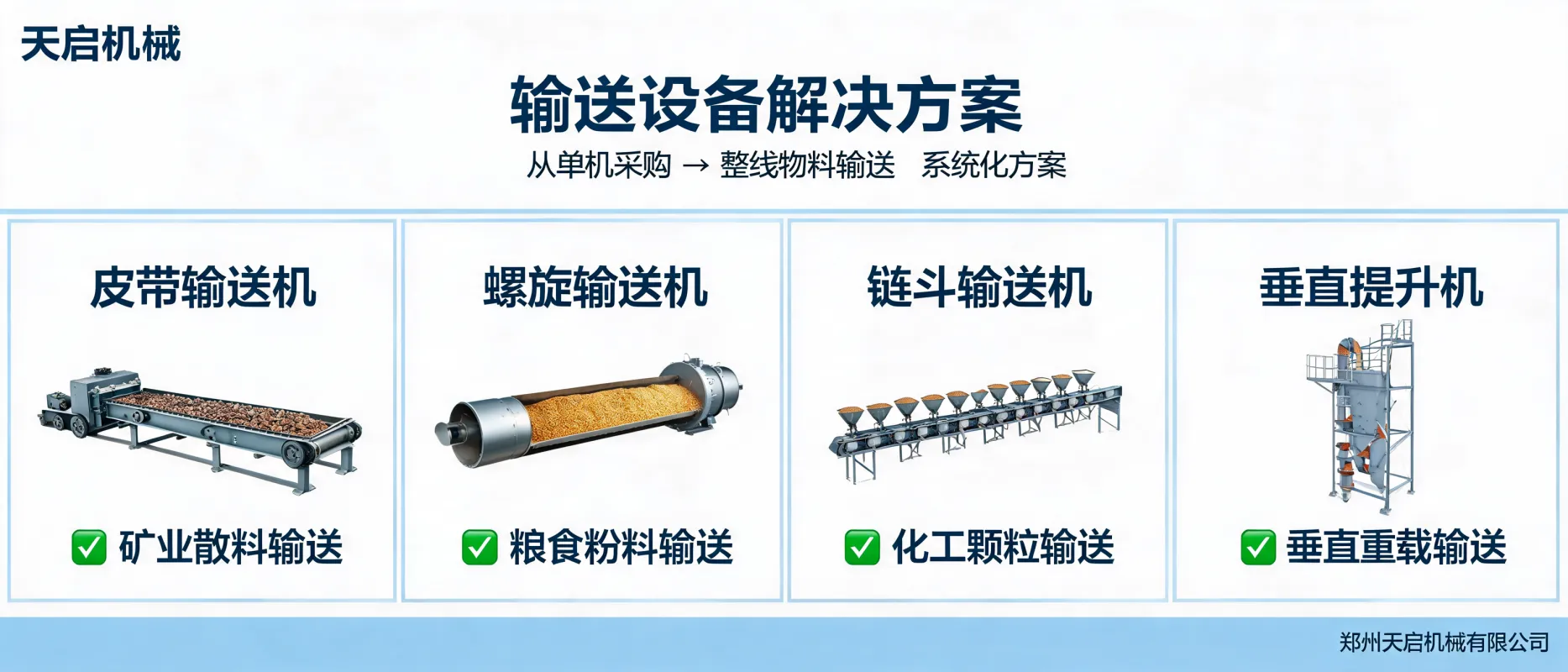
Different conveying tasks call for different equipment structures. A belt conveyor is often considered for continuous horizontal or inclined transport. A chain bucket conveyor may suit applications that require stronger material lifting. A screw conveyor is commonly used where controlled enclosed conveying is needed. A vertical elevator is suitable when the process requires efficient upward transfer.
| Equipment Type | Common Use Logic | Selection Focus |
|---|---|---|
| Belt conveyor | Suitable for continuous conveying in many industrial layouts. | Capacity, route length, incline angle, and site conditions. |
| Chain bucket conveyor | Used for lifting or transferring materials in a structured path. | Lifting height, material behavior, and operating stability. |
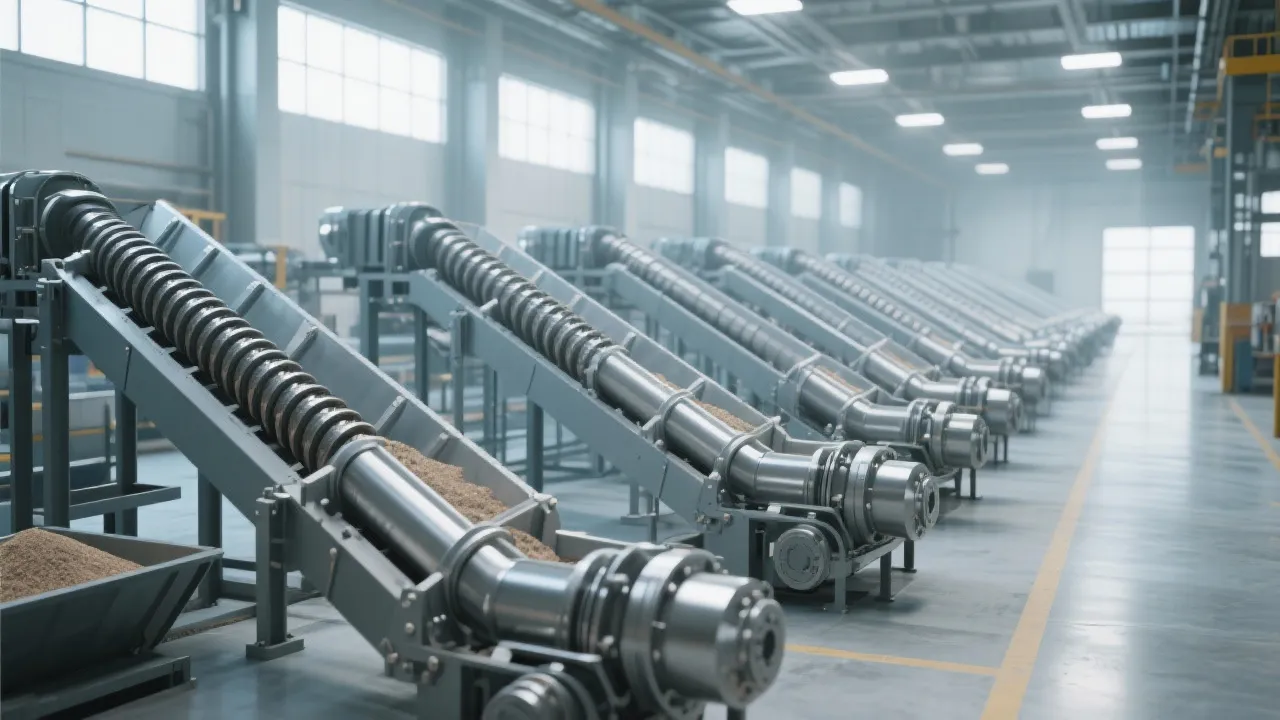
| Screw conveyor | Often selected for controlled conveying in compact spaces. | Material flowability, enclosure needs, and maintenance access. |
| Vertical elevator | Designed for upward transfer where floor space is limited. | Height requirement, discharge point, and continuous duty needs. |
To improve quotation accuracy and shorten the technical review cycle, buyers can prepare a basic procurement checklist in advance. This makes it easier for the supplier to understand the project requirements and recommend a suitable conveying solution.
With a focus on conveying equipment R&D, production, and export, ZhengZhou TianQi Machinery Co., Ltd. supports industrial buyers with practical equipment selection guidance and application-oriented solutions. When the key parameters are defined clearly from the beginning, the final configuration is easier to evaluate, install, and maintain in real operating conditions.
 231
|
231
|
 ZhengZhou TianQi Machinery Co., Ltd.
foreign trade intelligent marketing
SaaS platform
customer conversion
digital management
84
|
negative pressure pneumatic conveying maintenance
pneumatic conveying system troubleshooting
industrial material handling equipment care
preventive maintenance for pneumatic conveyors
pneumatic conveyor daily inspection checklist
253
|
chain bucket conveyor
TianQi Machinery
heavy-duty conveyor
bulk material handling
industrial conveying system
253
|
Tianqi Machinery
foreign trade marketing digitalization
integrated collaboration
marketing tools integration
platform value
439
|
ZhengZhou TianQi Machinery Co., Ltd.
belt conveyor
chain bucket conveyor
screw conveyor
vertical elevator
ZhengZhou TianQi Machinery Co., Ltd.
foreign trade intelligent marketing
SaaS platform
customer conversion
digital management
84
|
negative pressure pneumatic conveying maintenance
pneumatic conveying system troubleshooting
industrial material handling equipment care
preventive maintenance for pneumatic conveyors
pneumatic conveyor daily inspection checklist
253
|
chain bucket conveyor
TianQi Machinery
heavy-duty conveyor
bulk material handling
industrial conveying system
253
|
Tianqi Machinery
foreign trade marketing digitalization
integrated collaboration
marketing tools integration
platform value
439
|
ZhengZhou TianQi Machinery Co., Ltd.
belt conveyor
chain bucket conveyor
screw conveyor
vertical elevator