.png?x-oss-process=image/resize,h_100,m_lfit/format,webp)
.png?x-oss-process=image/resize,h_100,m_lfit/format,webp)
.png?x-oss-process=image/resize,h_100,m_lfit/format,webp)
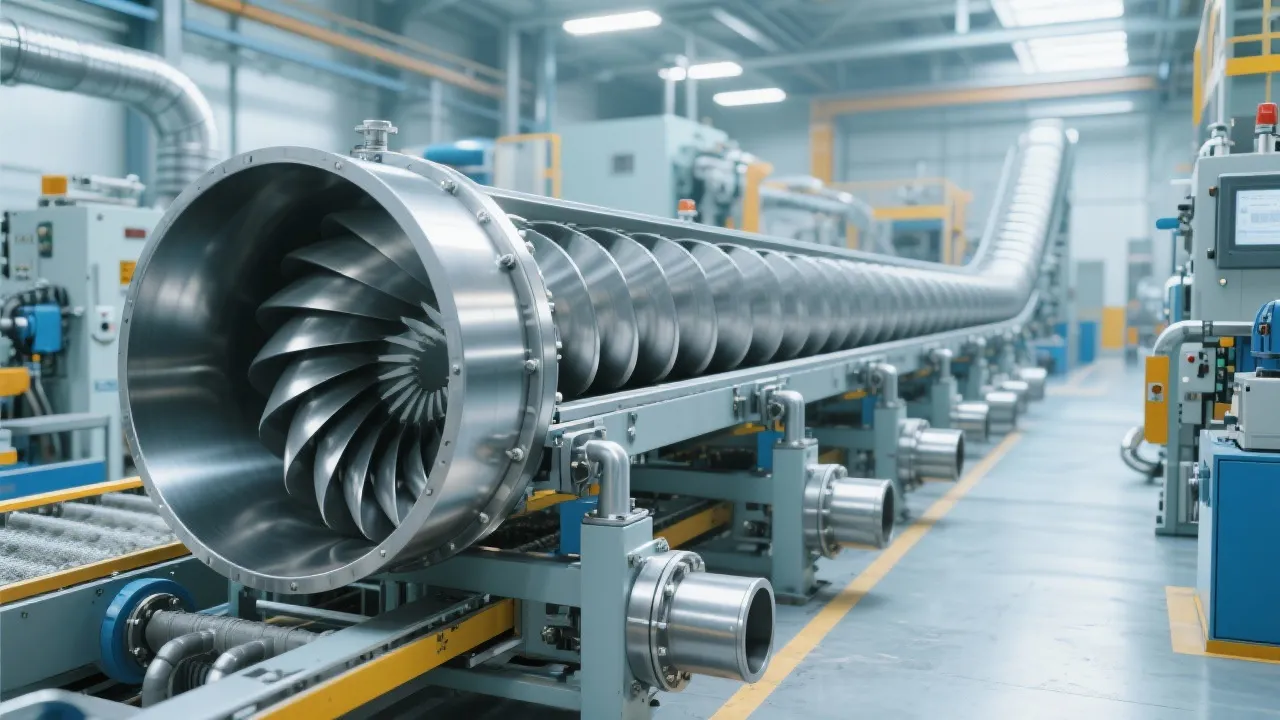
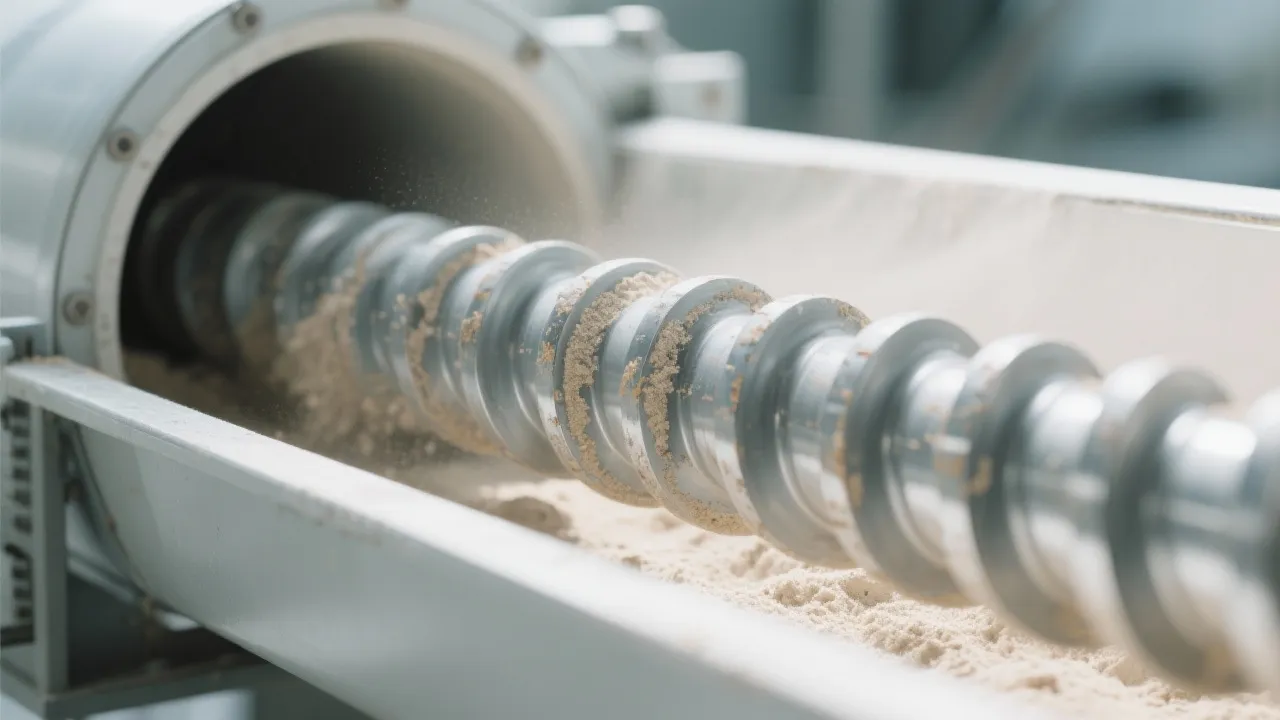
In flour processing facilities, dust is more than just a nuisance—it's a health hazard, an operational risk, and a compliance challenge. According to OSHA data, airborne particulate levels above 10 mg/m³ in grain handling environments can lead to respiratory issues among workers and increase fire risks. That’s where negative pressure pneumatic conveying systems come in—not just as a solution, but as a strategic upgrade for safe, efficient, and sustainable production.
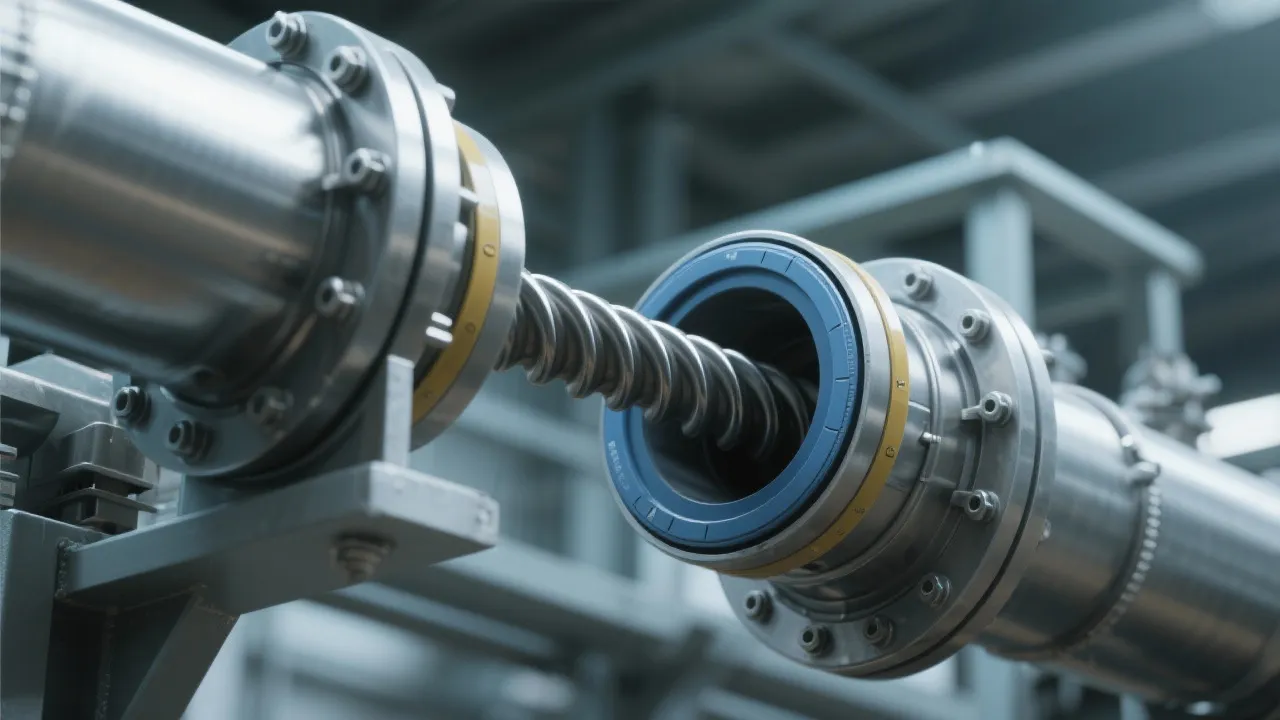
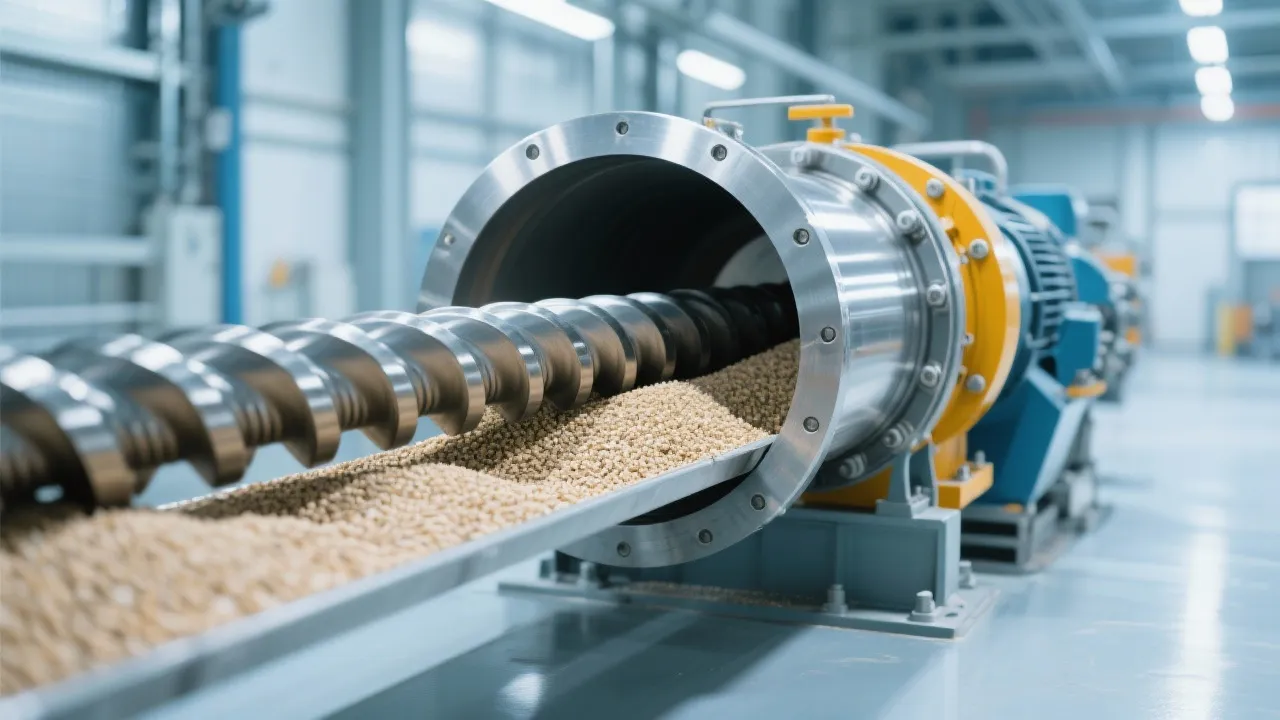
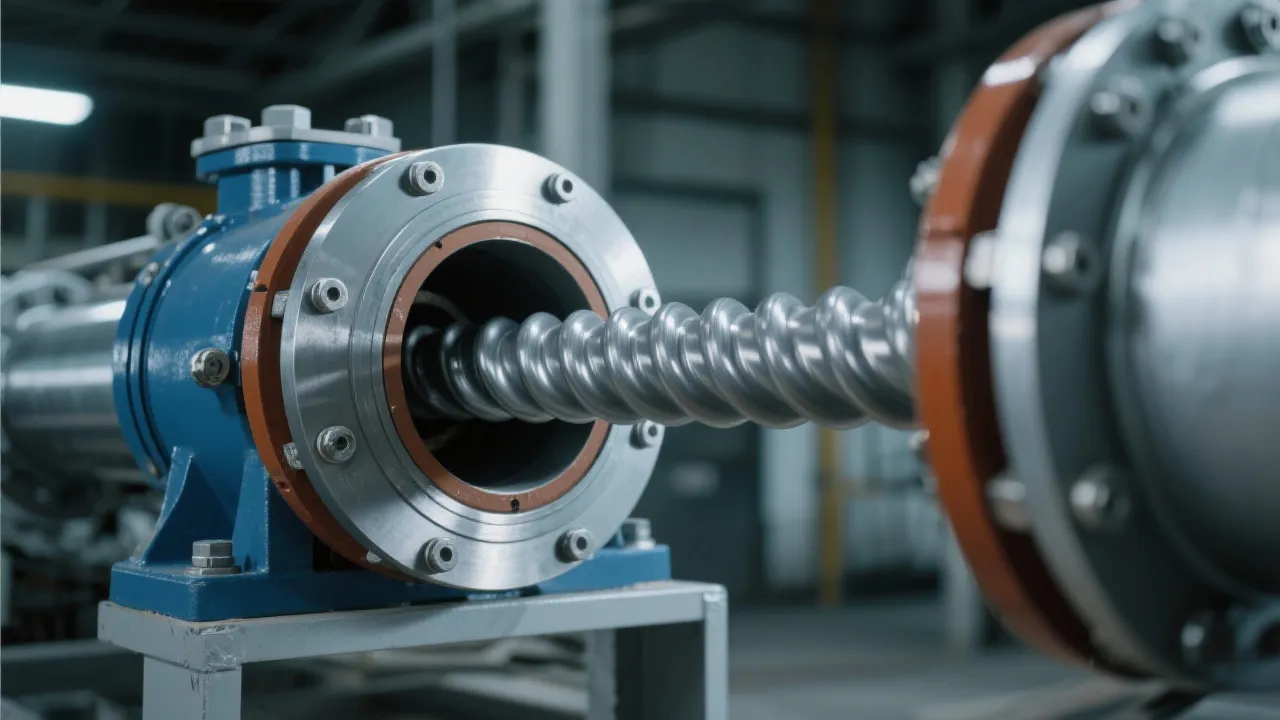
Unlike positive-pressure systems that push material through pipes (often creating leaks and dust escape), negative pressure systems use vacuum suction to pull materials from the source point directly into a sealed pipeline. This method ensures containment at the origin—critical for controlling fugitive dust emissions. A well-designed system maintains optimal airflow velocity between 18–24 m/s, which prevents particle settling and avoids blockages—a key factor in maintaining consistent throughput.
Real-world impact: At a 200-ton-per-day flour mill in Egypt, after switching to a custom-built negative pressure system by Tianqi Machinery, dust concentration dropped by 76% within six months, while energy consumption per ton of conveyed product decreased by 12%. The facility also reported zero downtime due to clogging over 18 months—a major win for maintenance teams.
The real power lies in how components are matched: pipe diameter, fan capacity, and separator design must be calibrated based on material characteristics (like bulk density, particle size, and flowability). For example, wheat flour typically has a bulk density of 0.5–0.7 g/cm³, requiring smaller-diameter tubes (50–80 mm) and precise air-to-material ratios to avoid both under-conveying and overloading.
| System Type | Dust Containment | Maintenance Needs |
|---|---|---|
| Positive Pressure | Moderate (leak-prone) | High |
| Negative Pressure | Excellent (sealed transfer) | Low |
With over 15 years of experience designing industrial pneumatic systems for food processing, Tianqi Machinery offers tailored solutions—not one-size-fits-all packages. Their engineers analyze your specific workflow, material properties, and plant layout before recommending the ideal configuration. Whether it’s a new installation or retrofitting an existing setup, they prioritize safety, efficiency, and long-term reliability.
For mills looking to reduce environmental impact, improve worker safety, and boost productivity, adopting a negative pressure pneumatic system isn't just smart—it's essential. And with Tianqi’s proven track record in global markets—from North America to Southeast Asia—they’re trusted partners for green transformation in the food industry.
Get a free consultation with our engineering team to assess your current system and explore customized solutions.
Download Our Free Pneumatic System Assessment Checklist


 410
|
410
|
 non powered roller conveyor tilt angle calculation
industrial conveyor anti slip solutions
roller conveyor slope design
material handling efficiency optimization
modular conveyor system integration
393
|
bucket elevator maintenance
bucket elevator troubleshooting
conveyor belt misalignment
chain bucket elevator lubrication
preventive maintenance for bucket elevators
330
|
chain bucket conveyor wear parts
high wear material handling
boiler ash conveyor
slag conveying equipment
preventive maintenance strategy
419
|
bucket elevator maintenance
bucket elevator troubleshooting
belt misalignment correction
chain bucket elevator lubrication
reduced conveying capacity causes
163
|
bucket elevator height and capacity matching
chain vs belt bucket elevator
industrial vertical conveying efficiency
custom bucket elevator design
CE certified bucket elevator
non powered roller conveyor tilt angle calculation
industrial conveyor anti slip solutions
roller conveyor slope design
material handling efficiency optimization
modular conveyor system integration
393
|
bucket elevator maintenance
bucket elevator troubleshooting
conveyor belt misalignment
chain bucket elevator lubrication
preventive maintenance for bucket elevators
330
|
chain bucket conveyor wear parts
high wear material handling
boiler ash conveyor
slag conveying equipment
preventive maintenance strategy
419
|
bucket elevator maintenance
bucket elevator troubleshooting
belt misalignment correction
chain bucket elevator lubrication
reduced conveying capacity causes
163
|
bucket elevator height and capacity matching
chain vs belt bucket elevator
industrial vertical conveying efficiency
custom bucket elevator design
CE certified bucket elevator