.png?x-oss-process=image/resize,h_100,m_lfit/format,webp)
.png?x-oss-process=image/resize,h_100,m_lfit/format,webp)
.png?x-oss-process=image/resize,h_100,m_lfit/format,webp)
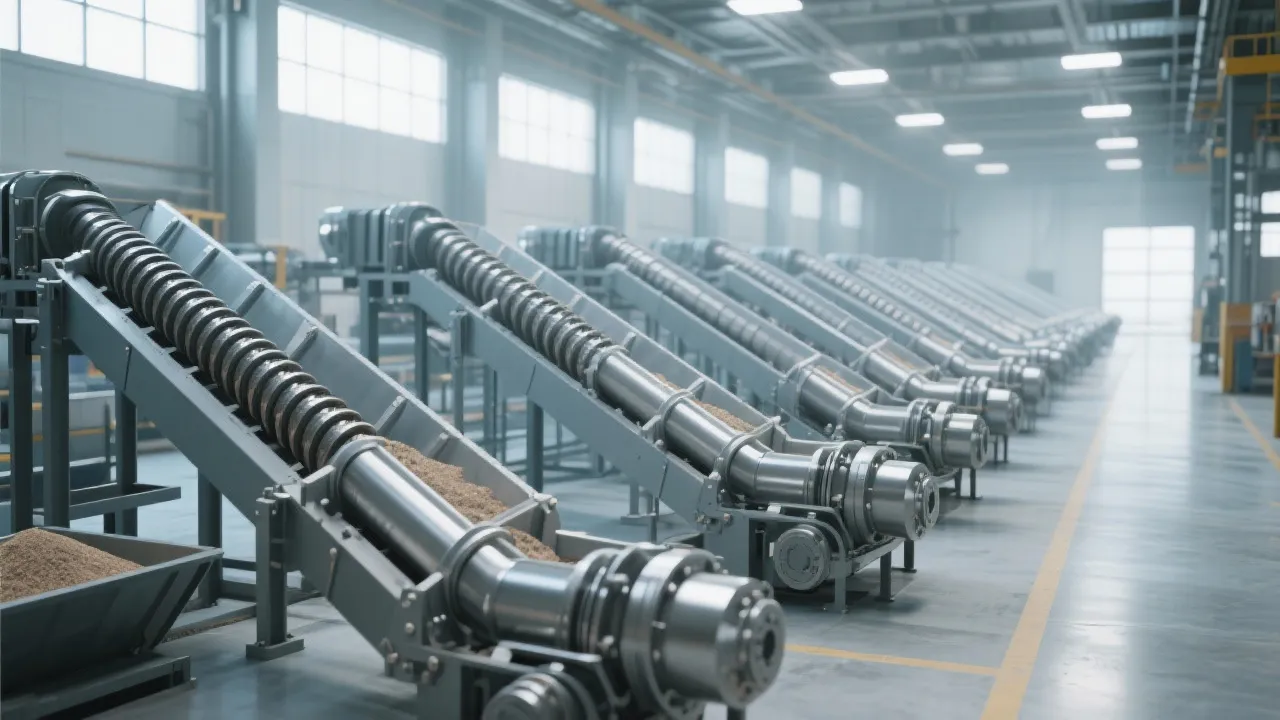
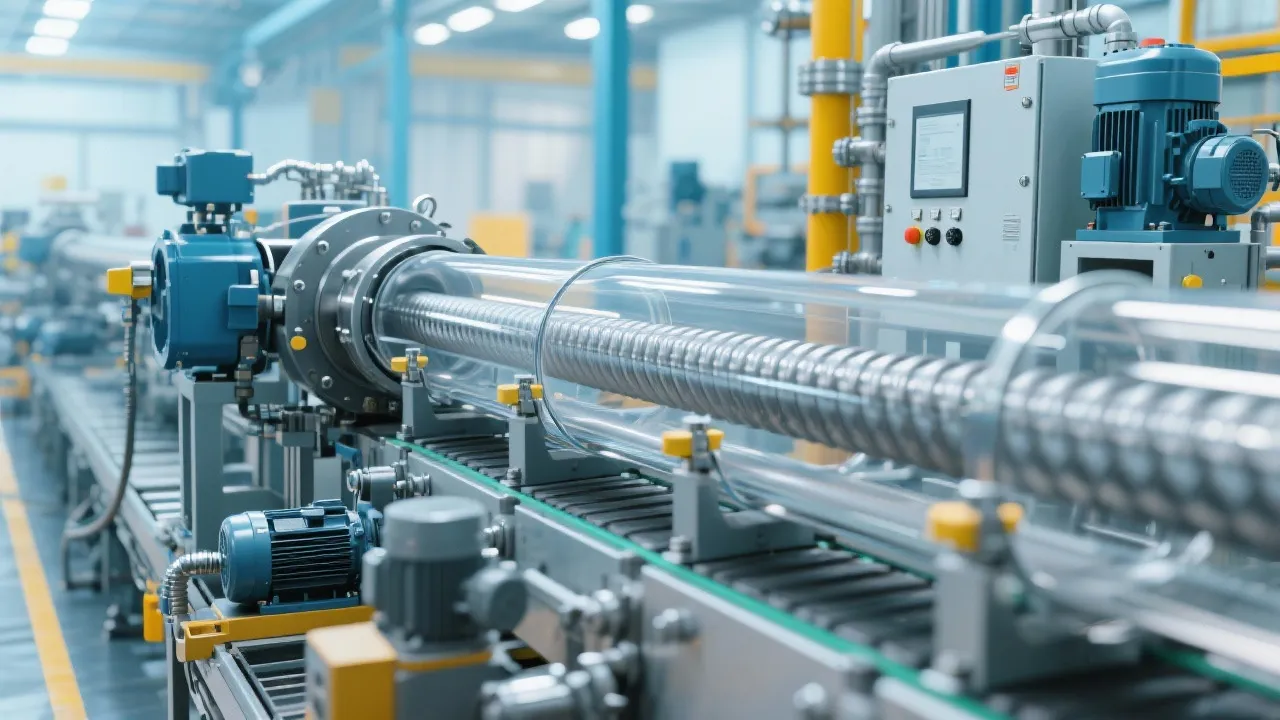
You’re not just maintaining equipment—you’re ensuring production continuity. A well-maintained negative pressure pneumatic conveying system can reduce unplanned downtime by up to 40%, according to a 2023 study by the International Bulk Handling Society (IBHS). But how do you move from reactive fixes to proactive care?
Before your shift begins, run through this checklist:
Tip: Keep a digital logbook updated in real-time using tools like Google Sheets or Airtable. This builds historical data that helps predict failures before they happen.
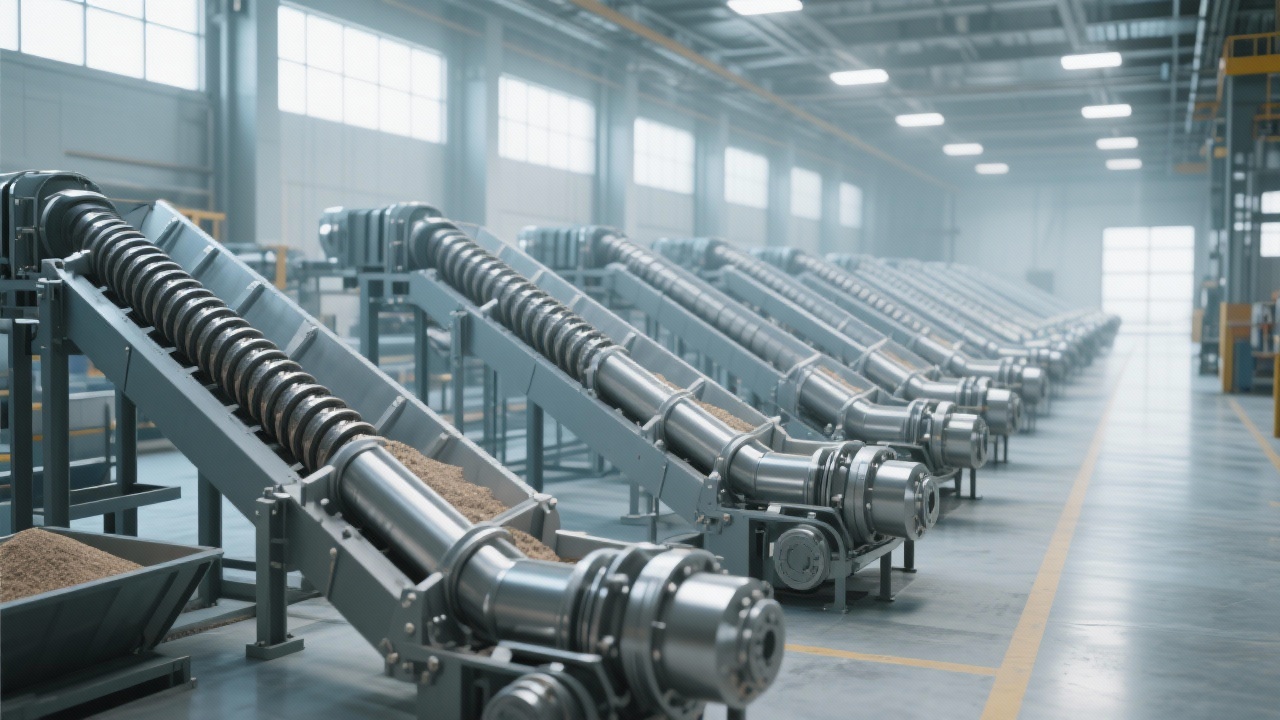
Here’s a practical schedule based on typical industrial use (8 hrs/day, 5 days/week):
| Task | Frequency | Key Benefit |
|---|---|---|
| Replace air filters | Every 3 months | Prevents clogging and maintains suction efficiency |
| Lubricate bearings | Monthly | Reduces friction-related wear and extends motor life |
| Clean internal piping | Quarterly | Eliminates residue buildup that causes flow disruption |
“We used to lose 2–3 hours per week due to unexpected shutdowns. After implementing this routine, our uptime improved by 35% within six months.” — Ahmed Khalifa, Plant Manager at Al-Farabi Chemicals, UAE
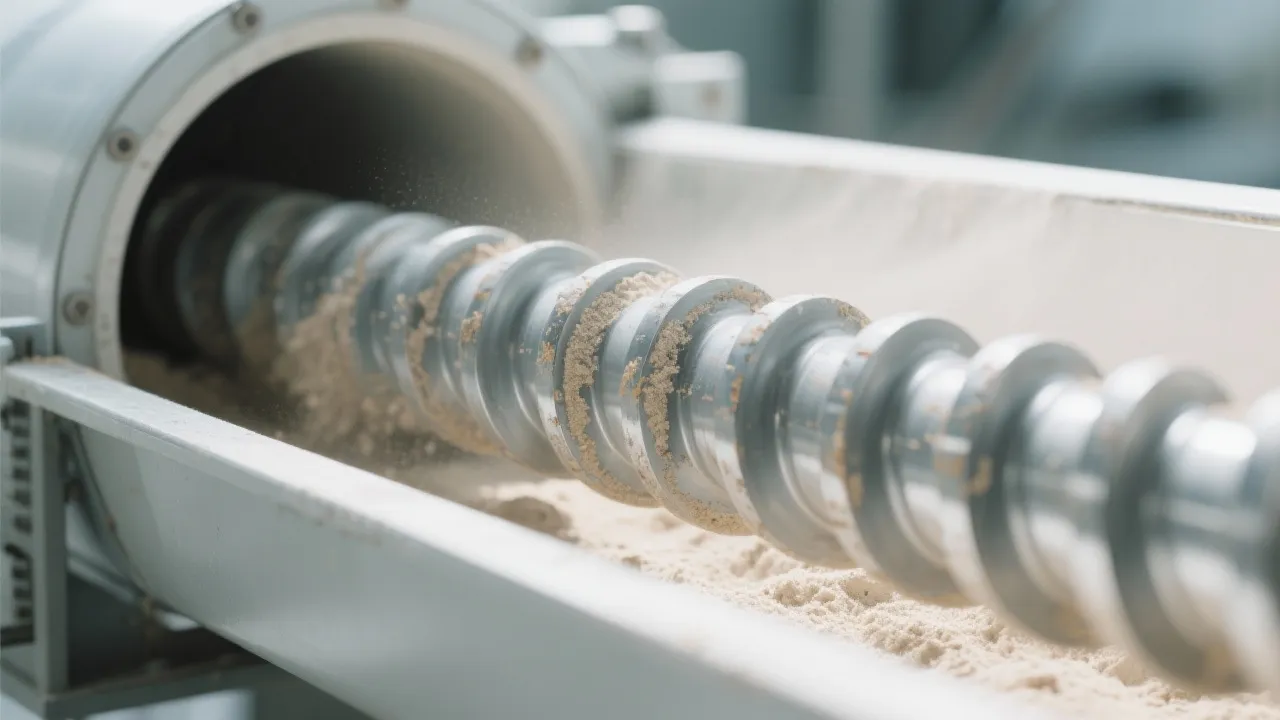
If you notice material accumulation in the transfer line or irregular valve operation, don’t wait—it’s likely a sign of poor airflow or mechanical misalignment. For powders prone to clumping (like cement or flour), consider adding a vibration-assisted hopper or adjusting the conveying velocity to between 18–22 m/s.
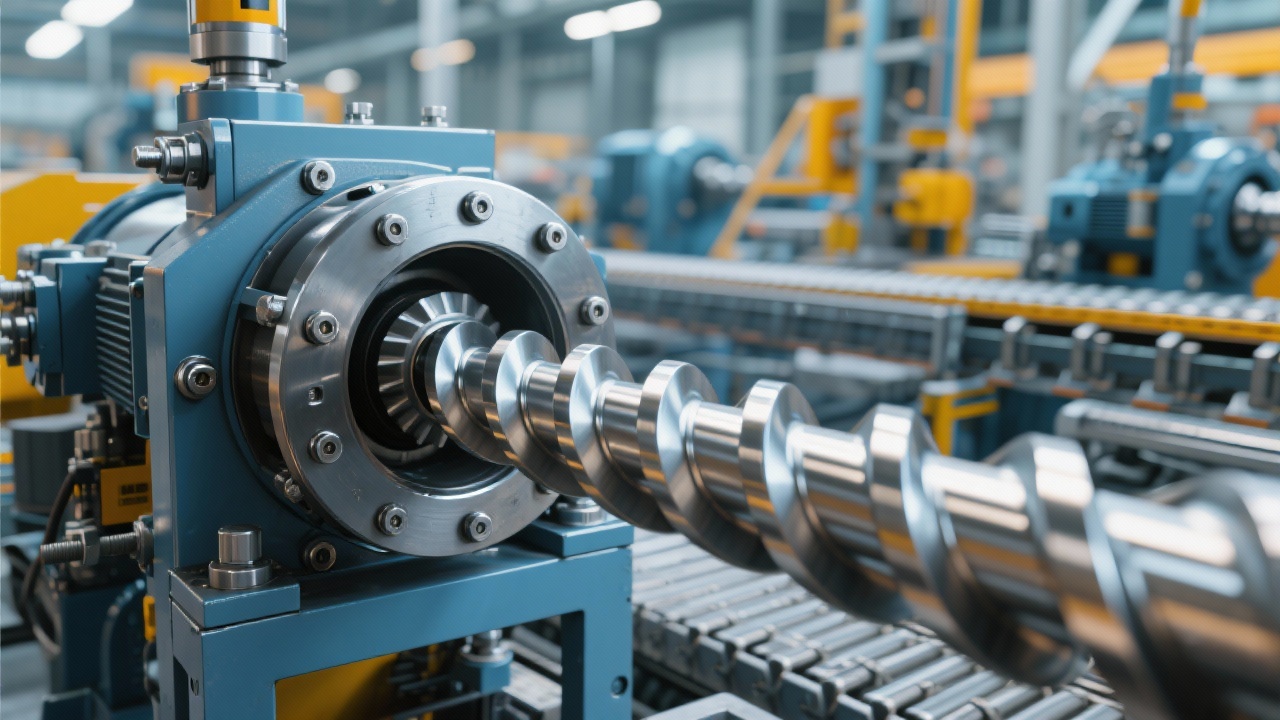
Remember: Small adjustments today prevent major disruptions tomorrow. Use a standardized maintenance form (available in our Tianqi Machinery Technical Resource Center) to document each check and share insights across teams.
Download our free “Pneumatic Conveying System Maintenance Playbook”—with templates, case studies, and expert tips from over 150 global users. It’s time to turn maintenance into a competitive advantage.
Access the Free Playbook Now

 55
|
55
|
 chain bucket conveyor wear parts selection
boiler ash conveying equipment
high manganese steel hopper body
ceramic composite hopper body
particle size effect on conveyor wear
268
|
Belt conveyor slippage failure treatment
Heavy belt tension adjustment
Conveyor belt maintenance guide
Heavy - load conveying system operation optimization
Belt tensioning technology practice
150
|
chain bucket elevator
high inclination conveyor
bucket elevator design
anti-slip configuration
drive power matching
95
|
roller diameter selection
conveyor efficiency optimization
non-powered roller conveyor
incline conveyor design
curved roller conveyor
212
|
custom conveyor belts
non-standard conveying equipment
industrial material handling solutions
separated chain structure
efficient continuous conveyor system
chain bucket conveyor wear parts selection
boiler ash conveying equipment
high manganese steel hopper body
ceramic composite hopper body
particle size effect on conveyor wear
268
|
Belt conveyor slippage failure treatment
Heavy belt tension adjustment
Conveyor belt maintenance guide
Heavy - load conveying system operation optimization
Belt tensioning technology practice
150
|
chain bucket elevator
high inclination conveyor
bucket elevator design
anti-slip configuration
drive power matching
95
|
roller diameter selection
conveyor efficiency optimization
non-powered roller conveyor
incline conveyor design
curved roller conveyor
212
|
custom conveyor belts
non-standard conveying equipment
industrial material handling solutions
separated chain structure
efficient continuous conveyor system