.png?x-oss-process=image/resize,h_100,m_lfit/format,webp)
.png?x-oss-process=image/resize,h_100,m_lfit/format,webp)
.png?x-oss-process=image/resize,h_100,m_lfit/format,webp)
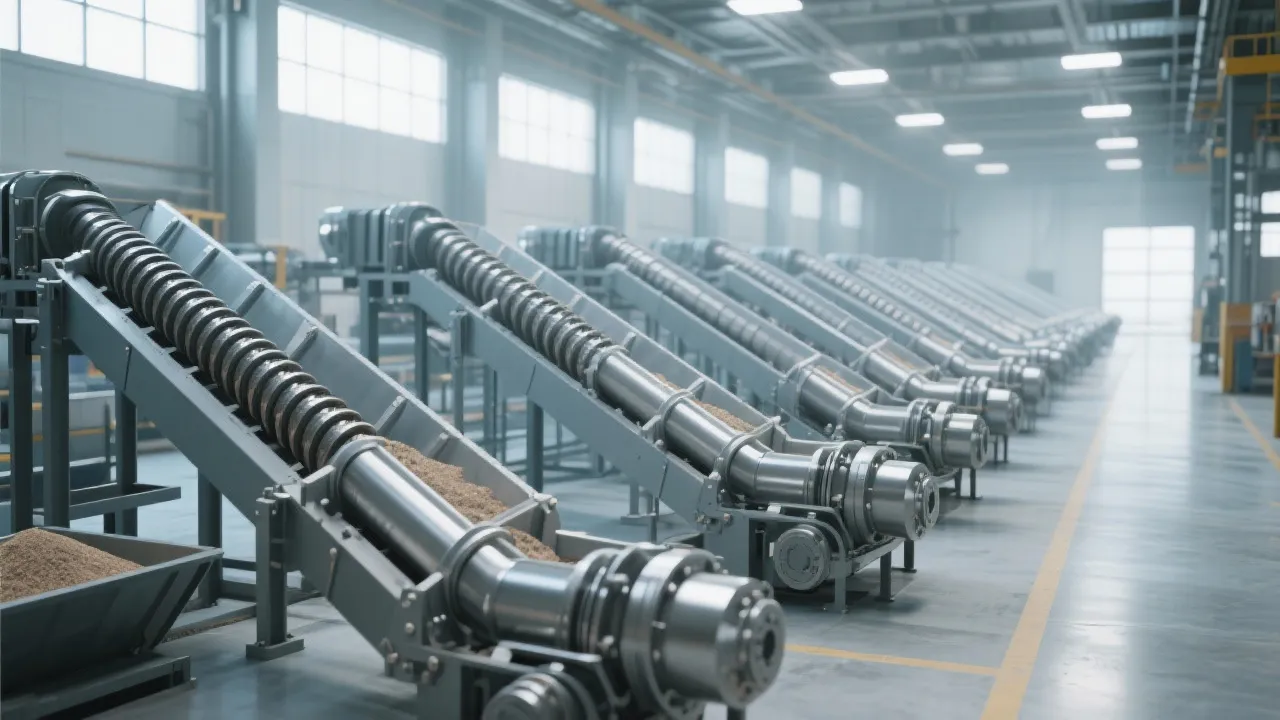
Non-powered roller conveyors are a cornerstone of modern logistics automation—especially when it comes to flexible material handling in warehouses, distribution centers, and manufacturing lines. But how do they handle curves without motors or external guidance? The answer lies in precise engineering: roller spacing, tilt angles, friction control, and smart design based on load characteristics.
In curved sections, rollers must be arranged at specific angles (typically 5°–15°) relative to the direction of travel. This creates a guiding force that keeps items moving smoothly along the intended path. According to industry standards from ISO 15547-2, maintaining consistent roller surface finish and proper clearance between adjacent rollers is critical for minimizing jamming or lateral drift.
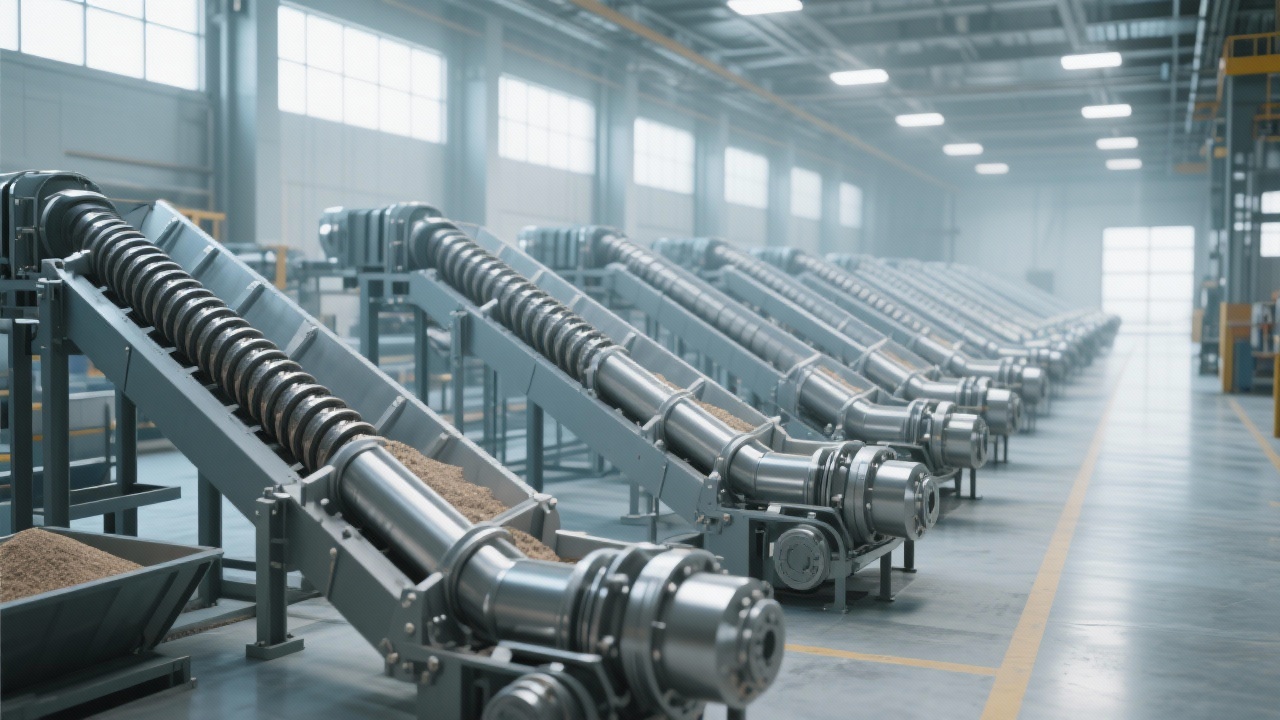
For lightweight packages like boxes or cartons, use rollers with diameters between 30–50 mm and spacing of 100–150 mm. For heavier loads (e.g., pallets or industrial containers), increase diameter to 60–80 mm and reduce spacing to 80–120 mm to prevent sagging or misalignment.
Curve radius plays a key role too: - Small radii (300–600 mm): Require tighter roller angles and higher friction surfaces — ideal for compact spaces but risk instability if not properly tuned. - Large radii (1000–1500 mm): Offer smoother transitions and better stability, especially for high-speed operations.
“A well-designed curve doesn’t just move goods—it reduces wear, improves throughput, and minimizes operator intervention.” — Dr. Li Wei, Senior Engineer at Zhengzhou Tianqi Machinery Co., Ltd.
Installation accuracy matters just as much as design. Even a 2 mm deviation in roller alignment can cause significant tracking issues over long runs. Use laser-guided tools during setup and conduct test runs with actual product weights before full deployment.
One major Chinese e-commerce client deployed a 200-meter modular non-powered roller conveyor system featuring six 90° bends. By applying these principles—correct roller sizing, optimized curve radii, and precision installation—the system achieved 99.3% uptime and reduced manual sorting by 40%. The project was completed within 3 weeks using pre-fabricated components from Zhengzhou Tianqi Machinery.
Whether you're designing a new facility or optimizing an existing one, understanding how non-powered roller conveyors handle curves isn’t optional—it’s essential for efficiency, safety, and scalability.
Ready to build a smarter, more reliable conveying solution?
Explore Customized Non-Powered Roller Conveyor Systems from Tianqi Machinery


 354
|
354
|
 chain plate conveyor vibration fatigue test
heavy-duty conveyor stability testing
industrial conveyor reliability verification
conveyor installation and commissioning guide
on-site conveyor performance testing
410
|
non powered roller conveyor tilt angle calculation
industrial conveyor anti slip solutions
roller conveyor slope design
material handling efficiency optimization
modular conveyor system integration
450
|
heavy-duty screw conveyor
dust-free material handling
screw rotor design
sealing technology
multi-point feeding and discharging
55
|
chain bucket conveyor wear parts selection
boiler ash conveying equipment
high manganese steel hopper body
ceramic composite hopper body
particle size effect on conveyor wear
339
|
heavy belt conveyor maintenance
belt tension adjustment
conveyor preventive maintenance
heavy-duty conveyor systems
belt conveyor lifespan extension
chain plate conveyor vibration fatigue test
heavy-duty conveyor stability testing
industrial conveyor reliability verification
conveyor installation and commissioning guide
on-site conveyor performance testing
410
|
non powered roller conveyor tilt angle calculation
industrial conveyor anti slip solutions
roller conveyor slope design
material handling efficiency optimization
modular conveyor system integration
450
|
heavy-duty screw conveyor
dust-free material handling
screw rotor design
sealing technology
multi-point feeding and discharging
55
|
chain bucket conveyor wear parts selection
boiler ash conveying equipment
high manganese steel hopper body
ceramic composite hopper body
particle size effect on conveyor wear
339
|
heavy belt conveyor maintenance
belt tension adjustment
conveyor preventive maintenance
heavy-duty conveyor systems
belt conveyor lifespan extension