.png?x-oss-process=image/resize,h_100,m_lfit/format,webp)
.png?x-oss-process=image/resize,h_100,m_lfit/format,webp)
.png?x-oss-process=image/resize,h_100,m_lfit/format,webp)
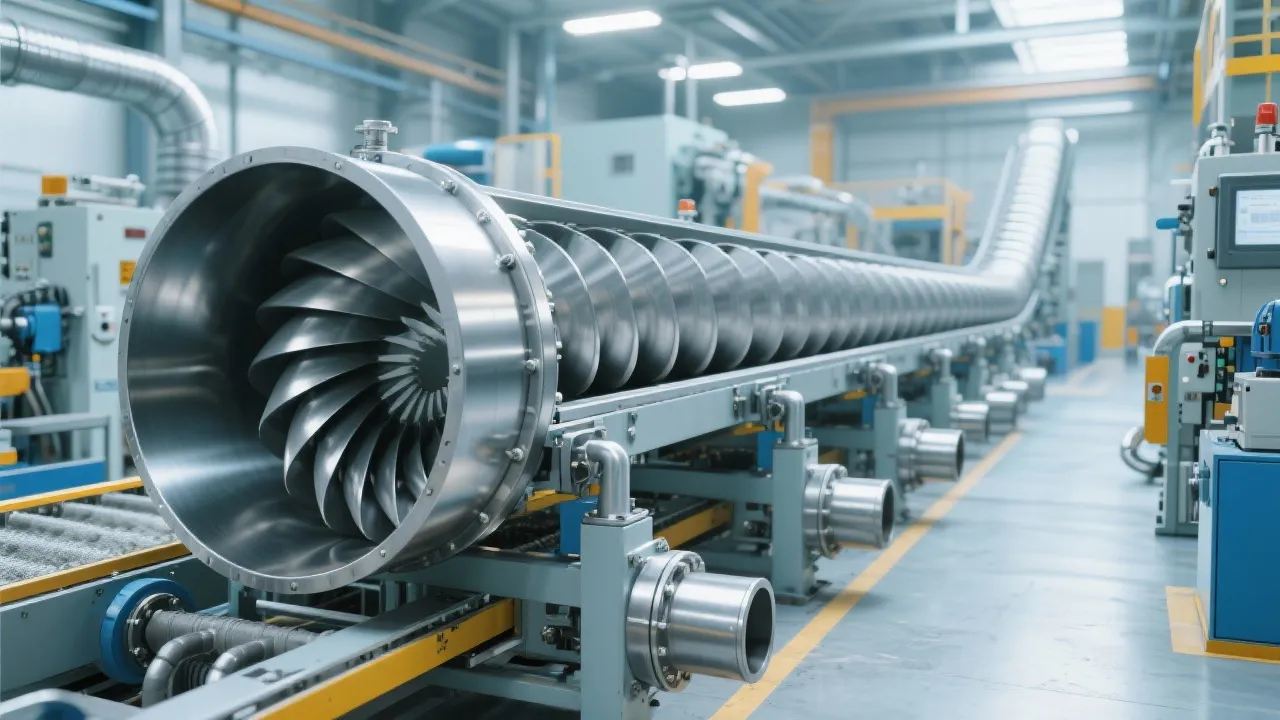
Non-powered roller conveyors are widely used in modern logistics systems for their simplicity, reliability, and cost-effectiveness—especially when it comes to curved sections. But how do they maintain consistent material flow around turns without motors or external power? The answer lies in precise mechanical design, friction control, and intelligent configuration based on real-world load dynamics.
In a non-powered curve section, rollers aren’t just aligned straight—they’re arranged at specific angles (typically 5°–15°) relative to the tangent of the curve. This creates a natural guiding force that keeps pallets or containers moving smoothly along the intended path. According to ISO 15272 standards, this angle must be calibrated with both roller diameter and surface texture to prevent lateral drift or jamming.
Roller spacing is equally critical: For standard industrial loads (e.g., 200–500 kg), optimal spacing ranges from 100 mm to 250 mm depending on the curvature radius. A study by the Material Handling Institute found that improper spacing increases misalignment risk by up to 63% in tight curves (<300 mm radius).
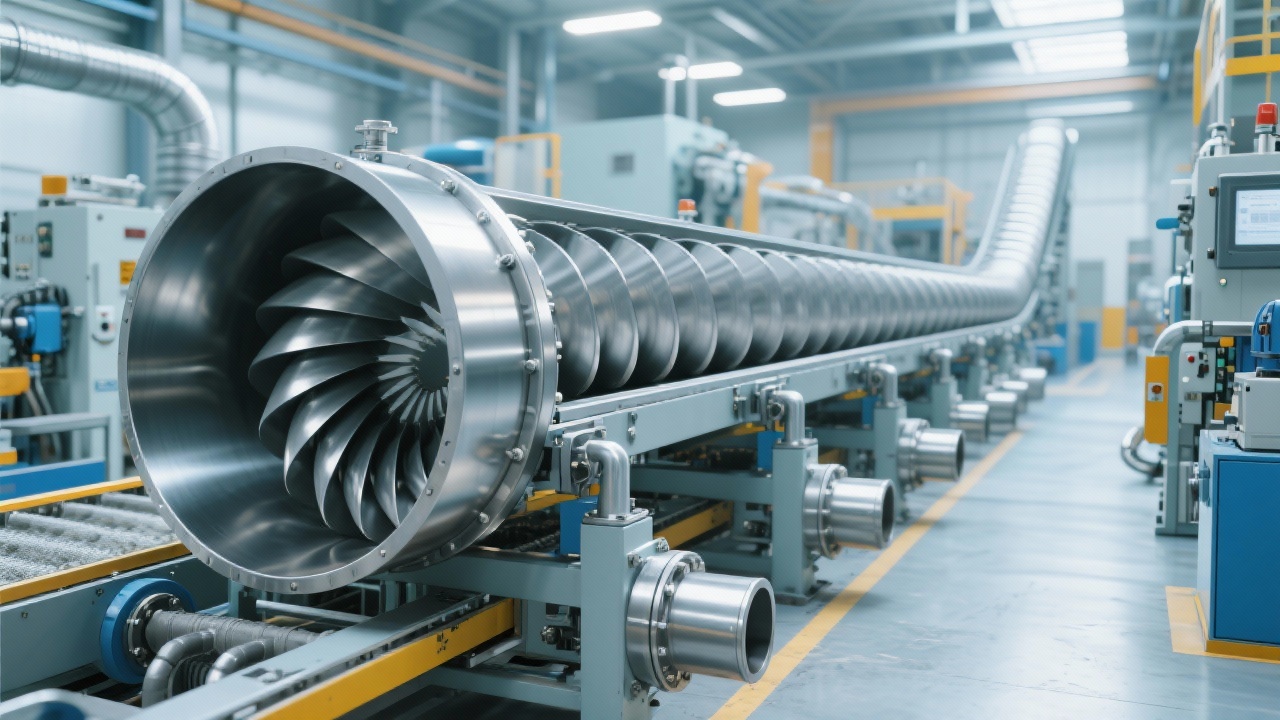
Not all materials behave the same way during curve transitions. Lightweight boxes may shift if roller spacing exceeds 200 mm, while heavy crates require larger diameters (≥80 mm) to reduce point pressure and avoid roller deformation. For irregularly shaped items like drums or pipes, consider using angled grooved rollers—these provide better grip than smooth ones.
Here’s a practical rule-of-thumb for engineers:
Curve Radius vs. Stability:
• 300–500 mm: High stability with proper roller pitch (≤150 mm)
• 500–1000 mm: Balanced performance for most applications
• >1000 mm: Minimal friction issues; ideal for high-speed lines
Even the best-designed system can fail due to poor installation. Always check horizontal alignment within ±0.5° using laser levels—this small deviation can cause cumulative errors over long curves. Also, ensure each roller is free-spinning before final assembly; binding rollers increase resistance and lead to premature wear.
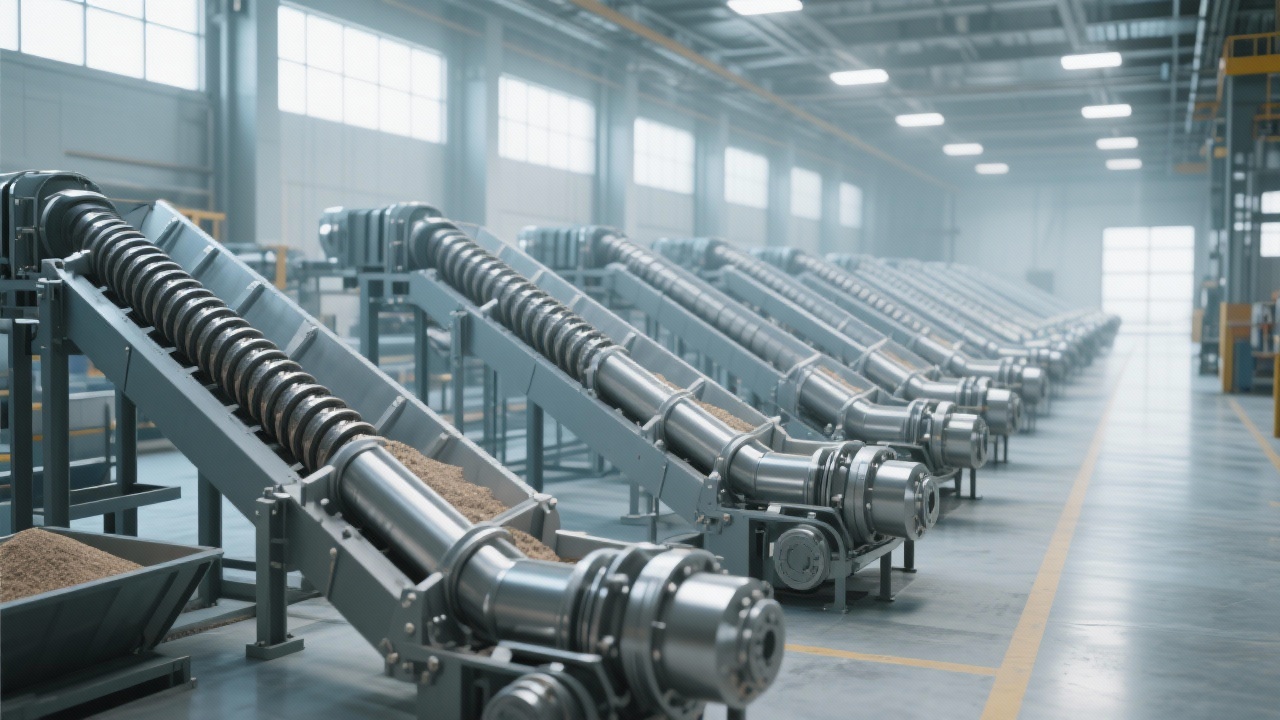
One manufacturing client in Zhengzhou successfully deployed a multi-segment curved conveyor system using modular components from Tianqi Machinery. By leveraging their flexible design approach, they reduced setup time by 40% compared to traditional welded solutions—and achieved zero downtime in six months of continuous operation.
Explore how Tianqi Machinery's custom non-powered roller solutions can improve your material handling efficiency—with precision engineering you can trust.
Get Your Customized Curve Design Plan Today


 234
|
234
|
 CIP cleaning system
food grade conveyor belt
stainless steel chain plate
modular conveyor design
industrial food processing equipment
59
|
Mesh belt conveyor
Separated chain structure
Customized material handling equipment
Industrial conveyor system optimization
Efficient continuous production
392
|
bucket elevator maintenance
bucket elevator troubleshooting
conveyor belt misalignment
chain bucket elevator lubrication
preventive maintenance for bucket elevators
179
|
heavy-duty screw conveyor
dust-free material handling
multi-point infeed and discharge
industrial screw conveyor solutions
flexible production line equipment
191
|
heavy-duty screw conveyors
dust-free conveying solutions
sealing technology
multi-point feeding and discharging
material handling equipment selection
CIP cleaning system
food grade conveyor belt
stainless steel chain plate
modular conveyor design
industrial food processing equipment
59
|
Mesh belt conveyor
Separated chain structure
Customized material handling equipment
Industrial conveyor system optimization
Efficient continuous production
392
|
bucket elevator maintenance
bucket elevator troubleshooting
conveyor belt misalignment
chain bucket elevator lubrication
preventive maintenance for bucket elevators
179
|
heavy-duty screw conveyor
dust-free material handling
multi-point infeed and discharge
industrial screw conveyor solutions
flexible production line equipment
191
|
heavy-duty screw conveyors
dust-free conveying solutions
sealing technology
multi-point feeding and discharging
material handling equipment selection