.png?x-oss-process=image/resize,h_100,m_lfit/format,webp)
.png?x-oss-process=image/resize,h_100,m_lfit/format,webp)
.png?x-oss-process=image/resize,h_100,m_lfit/format,webp)
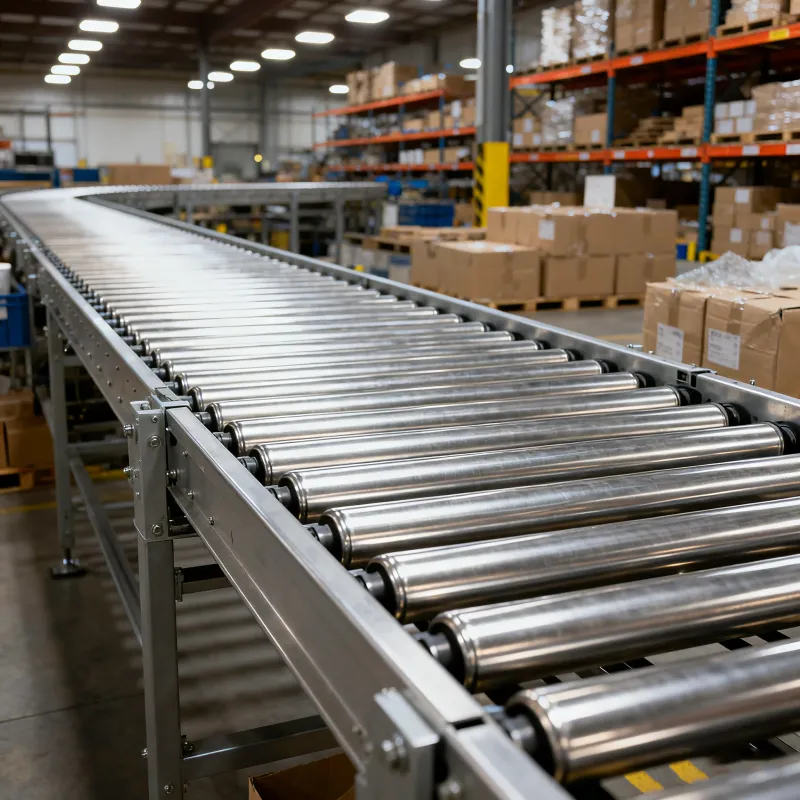
In modern logistics and material handling systems, non-powered roller conveyors are increasingly relied upon for their simplicity, reliability, and cost-effectiveness—especially when it comes to curve transitions. But how do they maintain efficiency without external power? The answer lies in smart design principles that balance mechanical physics with real-world application.
Three core factors determine whether a non-powered roller conveyor can handle curves effectively:
For instance, if you're moving heavy boxes (20–50 kg), a larger roller diameter (50–75 mm) combined with tighter spacing ensures consistent motion around tight turns. Conversely, lighter products (under 10 kg) benefit from wider spacing (up to 120 mm) and smoother finishes to reduce resistance.
The radius of a curve directly impacts stability and throughput. According to field data from industrial clients using Shanghai Tianqi Machinery Co., Ltd. solutions:
Curves with radii below 300 mm often cause misalignment or jamming—especially for palletized loads. Radii between 600–1200 mm offer optimal balance between space efficiency and smooth operation.
This range aligns with ISO standards for automated material handling systems and has been validated across food processing, e-commerce fulfillment centers, and automotive assembly lines.
Even the best-designed system fails if installed incorrectly. Key tips include:
These steps significantly reduce downtime and increase operator confidence—critical for maintenance teams and plant managers alike.
Explore how Tianqi Machinery's engineered roller conveyor solutions have helped global brands achieve higher throughput and fewer jams—without adding complexity or cost.
See Real-World Case Studies →

 450
|
450
|
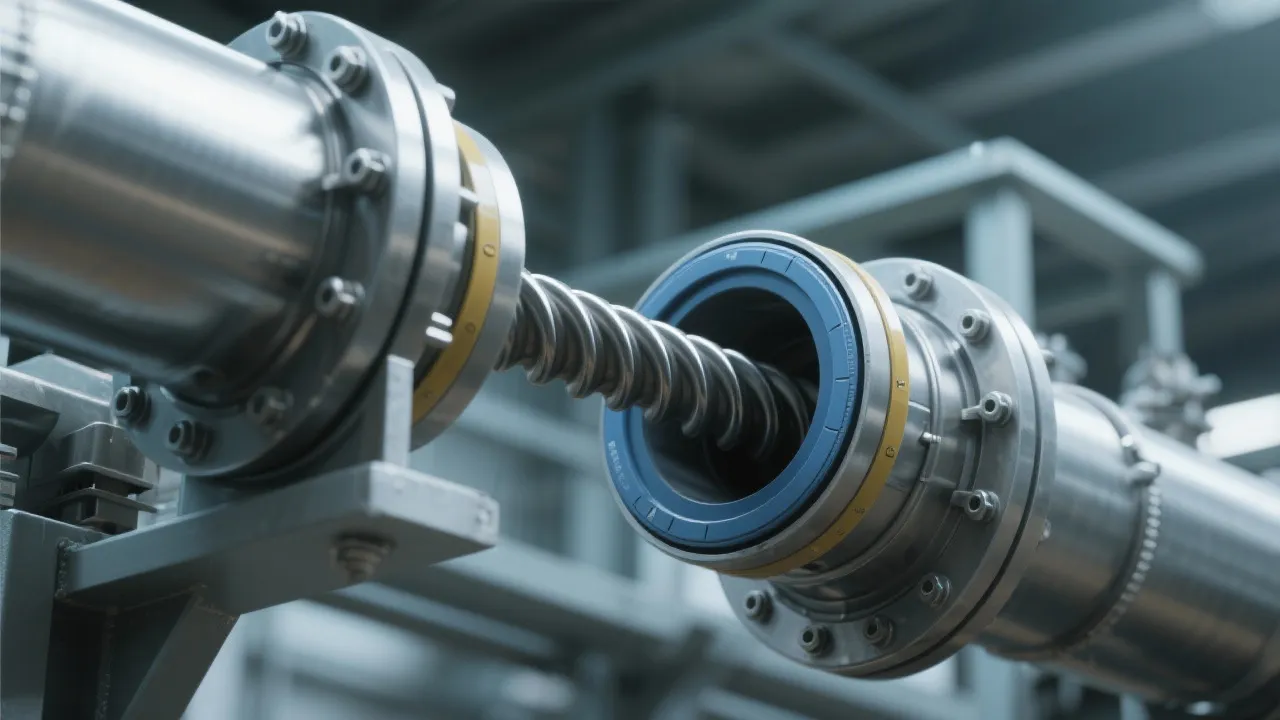
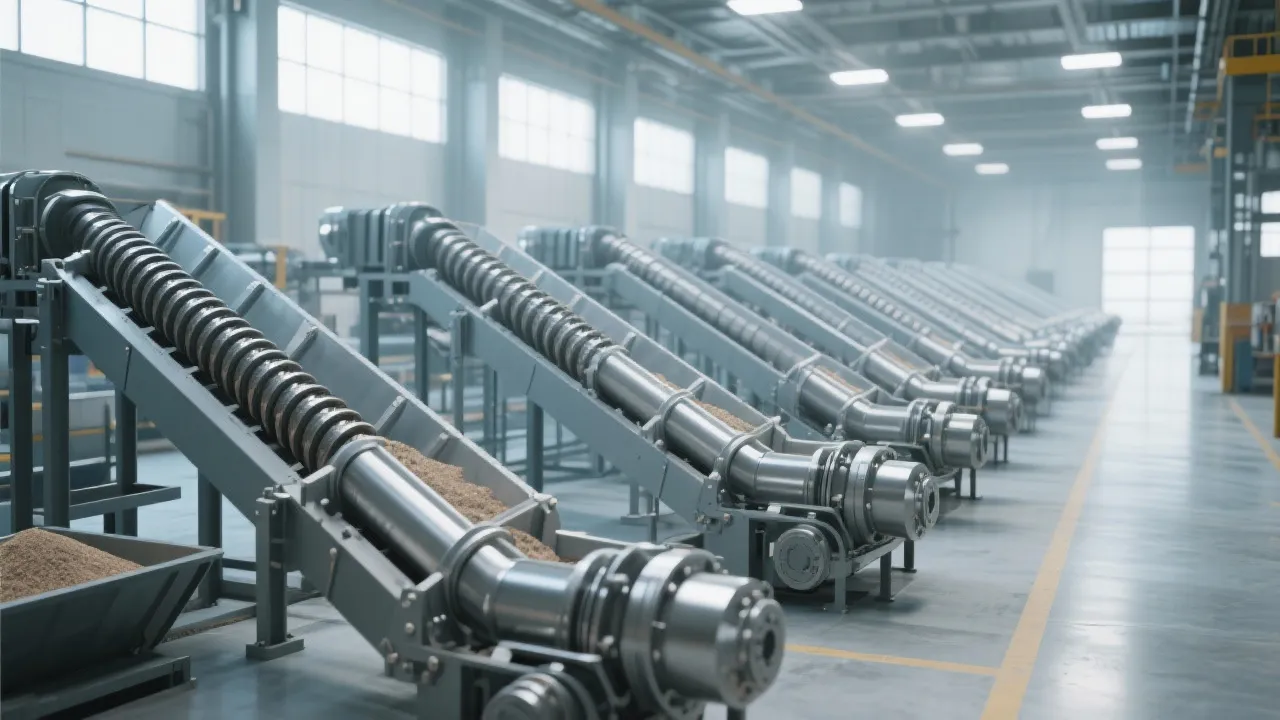
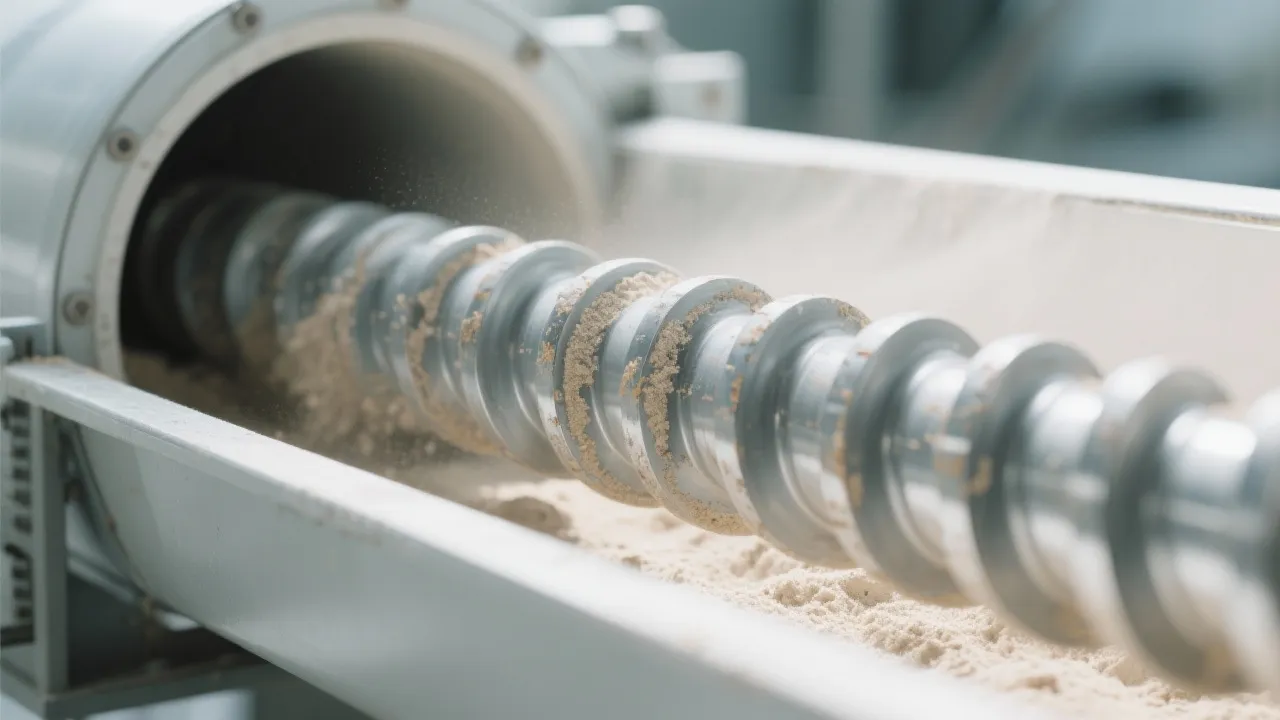
 heavy-duty screw conveyor
dust-free material handling
screw rotor design
sealing technology
multi-point feeding and discharging
236
|
custom conveyor belt system
separated chain structure
industrial conveyor solutions
material handling equipment
high-efficiency belt conveyor
419
|
Mesh belt conveyor
High - capacity material handling
Customized design
Separated traction chain
Industrial equipment on - time delivery
189
|
custom mesh belt conveyor
paper industry material handling equipment
high-speed high-capacity conveyor
non-standard conveyor design
industrial conveyor system integration
179
|
Mesh belt conveyor custom design
Industrial continuous conveying equipment
Material handling efficiency improvement
Non - standard conveyor solutions
Advantages of separated chain structure
heavy-duty screw conveyor
dust-free material handling
screw rotor design
sealing technology
multi-point feeding and discharging
236
|
custom conveyor belt system
separated chain structure
industrial conveyor solutions
material handling equipment
high-efficiency belt conveyor
419
|
Mesh belt conveyor
High - capacity material handling
Customized design
Separated traction chain
Industrial equipment on - time delivery
189
|
custom mesh belt conveyor
paper industry material handling equipment
high-speed high-capacity conveyor
non-standard conveyor design
industrial conveyor system integration
179
|
Mesh belt conveyor custom design
Industrial continuous conveying equipment
Material handling efficiency improvement
Non - standard conveyor solutions
Advantages of separated chain structure