.png?x-oss-process=image/resize,h_100,m_lfit/format,webp)
.png?x-oss-process=image/resize,h_100,m_lfit/format,webp)
.png?x-oss-process=image/resize,h_100,m_lfit/format,webp)
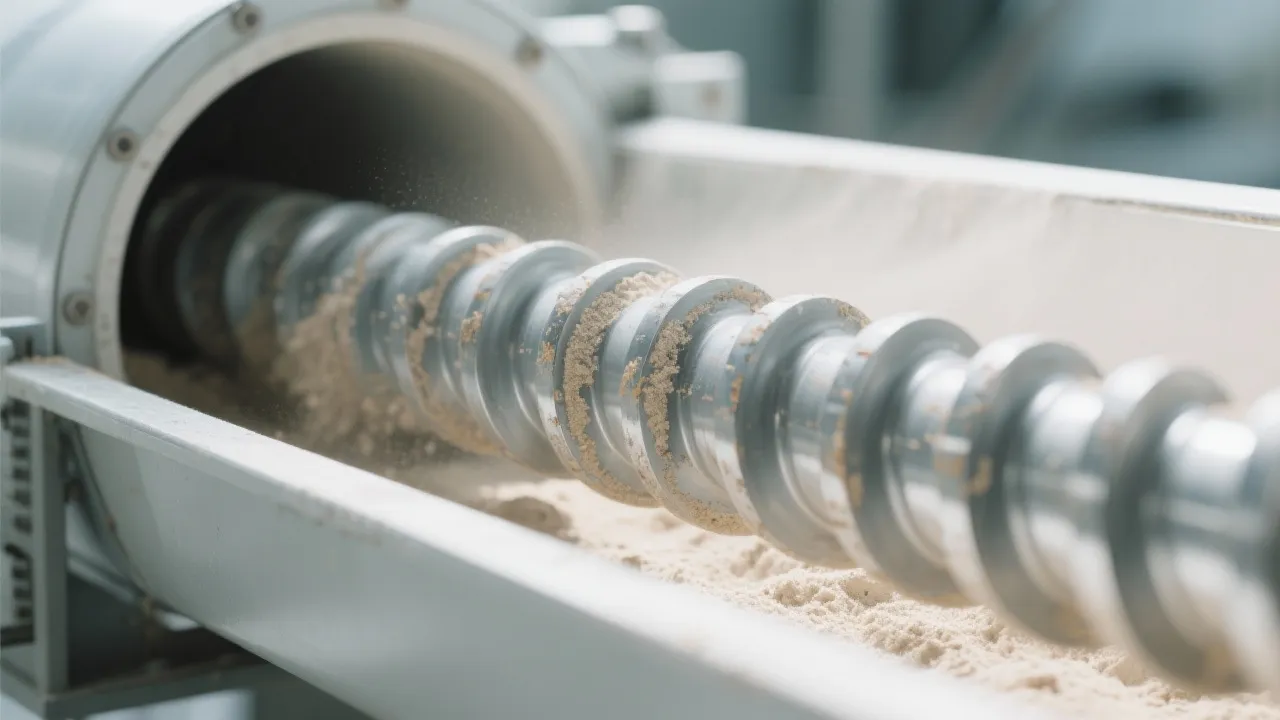
If your factory uses non-powered roller conveyors on inclined sections and experiences material slippage, you're not alone. According to industry data from Thermoset Industries, over 60% of manufacturing facilities using basic roller systems report inefficiencies due to poor angle design or inadequate surface treatment.
When a load moves down an incline, gravity pulls it forward while friction resists motion. The critical factor is the coefficient of friction (μ) between the item and the roller surface. For most common materials like plastic boxes or wooden pallets, μ ranges from 0.25 (smooth surface) to 0.5 (textured or rubberized).
Quick Rule of Thumb:
| Surface Type | Best For | Performance in Humidity/Temp Changes |
|---|---|---|
| Grooved Steel Rollers | Dry environments, light products | Moderate degradation after 6 months exposure to high humidity |
| Rubber-Coated Rollers (EPDM) | Wet areas, food processing, variable temps | Stable performance across -20°C to +70°C range |
At Tianqi Machinery, we’ve seen real-world results: one food packaging plant reduced manual handling by 40% simply by switching from grooved steel to EPDM-coated rollers at 22° incline — no extra power needed.
Modular roller conveyor systems allow easy integration into existing lines without redesigning entire workflows. A single module can be added or removed based on production flow — perfect for seasonal demand shifts or new product launches.
Let Tianqi Machinery help you engineer the right solution — whether it’s optimizing inclines, selecting surfaces, or designing modular setups that scale with your business.
Get Your Free Conveyor Angle Calculator & Design Guide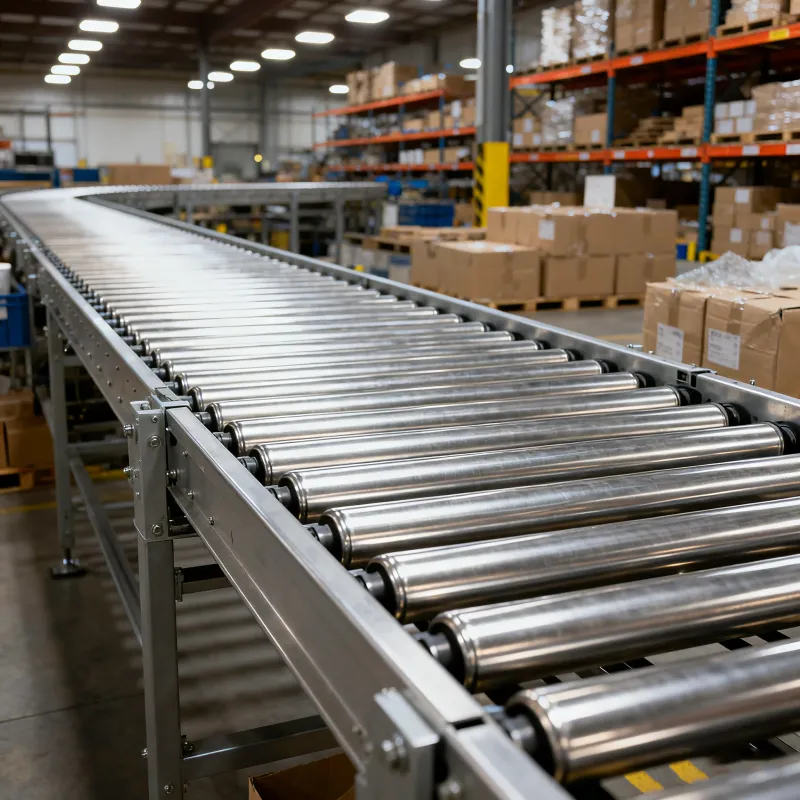


 55
|
55
|
 chain bucket conveyor wear parts selection
boiler ash conveying equipment
high manganese steel hopper body
ceramic composite hopper body
particle size effect on conveyor wear
94
|
roller diameter selection
conveyor efficiency optimization
non-powered roller conveyor
incline conveyor design
curved roller conveyor
193
|
washdown conveyor
food grade conveyor
stainless steel conveyor
CIP cleaning system
modular conveyor design
369
|
bucket elevator customization
lifting height and capacity matching
chain vs belt elevator
bulk material conveying solution
industrial vertical lifting equipment
341
|
chain bucket conveyor wear parts
high wear material handling
boiler ash conveyor
slag handling equipment
ceramic composite bucket liner
chain bucket conveyor wear parts selection
boiler ash conveying equipment
high manganese steel hopper body
ceramic composite hopper body
particle size effect on conveyor wear
94
|
roller diameter selection
conveyor efficiency optimization
non-powered roller conveyor
incline conveyor design
curved roller conveyor
193
|
washdown conveyor
food grade conveyor
stainless steel conveyor
CIP cleaning system
modular conveyor design
369
|
bucket elevator customization
lifting height and capacity matching
chain vs belt elevator
bulk material conveying solution
industrial vertical lifting equipment
341
|
chain bucket conveyor wear parts
high wear material handling
boiler ash conveyor
slag handling equipment
ceramic composite bucket liner