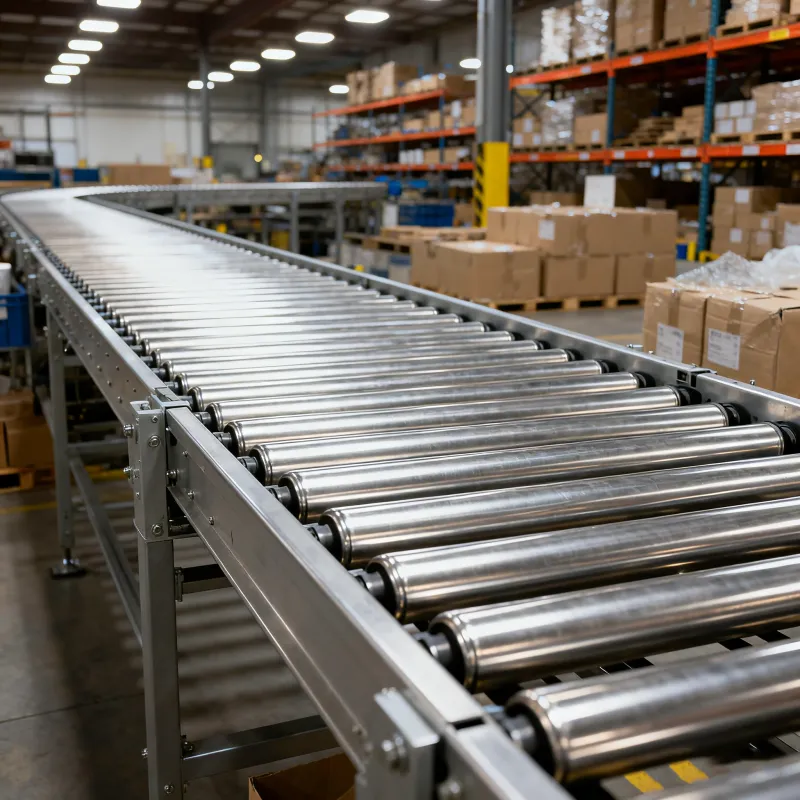
ZhengZhou TianQi Machinery Co., Ltd. provides pneumatic conveying systems for the reliable transport of bulk powders and granular materials. When conveying performance becomes unstable, the root cause is often related to pressure mode selection, material characteristics, pipeline layout, process coordination, operation, or maintenance. A structured inspection can help production and equipment management teams identify the cause before making configuration or operating adjustments.
A pneumatic conveying system uses controlled airflow inside an enclosed pipeline to move powder and granular materials. Flow fluctuations, blockages, uneven handling, or abnormal energy use should be assessed as system-level issues rather than attributed to a single component without verification.
Powder or granular materials may require different conveying conditions. Material behavior should be considered together with the selected pressure mode and site application.
Horizontal, vertical, and inclined conveying routes can place different demands on system coordination and operating conditions.
Heating, cooling, drying, or classification functions need to be coordinated with the conveying process and the characteristics of the handled material.
Abnormal flow, material accumulation, or unusual energy consumption should be recorded and checked against equipment specifications and site conditions.
TianQi pneumatic conveying systems can be configured for low-, medium-, or high-pressure operation. Depending on the application, the system may use positive pressure, negative pressure, or a combined pressure arrangement. The appropriate selection should be confirmed through material evaluation, conveying requirements, pipeline layout, equipment specifications, and actual site conditions.
| Inspection focus | What to review | Why it matters |
|---|---|---|
| Pressure mode | Low, medium, or high pressure; positive, negative, or mixed pressure configuration | A suitable pressure arrangement supports stable material movement and helps avoid operating conditions that do not match the application. |
| Material handling | Powder or granular form, material behavior, and conveying requirements | Different materials can require different system configurations and operating approaches. |
| Pipeline route | Horizontal, vertical, and inclined sections | The conveying route should be considered when assessing flow stability and overall system coordination. |
The pneumatic conveying system can be integrated with additional processes such as heating, cooling, drying, and material classification. These functions should not be evaluated separately from conveying performance. When a process change is introduced, the material condition, conveying route, pressure arrangement, and equipment operating requirements should be reviewed together.
A consistent inspection sequence helps separate operating issues from configuration or maintenance issues. The following checks provide a practical framework for production and equipment teams.
Pneumatic conveyor operation and maintenance should be based on the equipment documentation, material characteristics, operating environment, and site procedures. Inspection intervals and maintenance actions should be confirmed for the specific configuration rather than applied as a universal schedule.
Before changing pressure settings, modifying process functions, or carrying out maintenance, the responsible team should follow applicable safety procedures and verify the correct instructions for the equipment and site. A technical response time is not the same as repair completion time; the time required to resolve an issue depends on the confirmed cause, configuration, materials, and site conditions.
ZhengZhou TianQi Machinery develops and manufactures conveying equipment for industries including mining, chemicals, food processing, and building materials. Its pneumatic conveying systems are designed for enclosed transport of bulk powders and granular materials, with configuration options for conveying direction, pressure mode, and integrated process functions.
TianQi provides dedicated after-sales support and states a technical response time of within 2 hours. The company also reports a 98% on-time delivery rate. These service indicators should be understood separately from troubleshooting completion or repair time, which must be assessed according to the specific equipment, material, fault condition, and site requirements.
For a suitable pneumatic conveying system, configuration parameters, pressure mode, process functions, and maintenance requirements should be confirmed through equipment specifications, material testing, and site conditions. This approach helps production and engineering teams make clearer decisions when addressing conveying instability or planning a customized bulk material transport solution.
 156
|
 ZhengZhou TianQi Machinery Co., Ltd. conveyor equipment solutions belt conveyors material handling equipment conveyor equipment export
420
|
ZhengZhou TianQi Machinery industrial conveyor equipment conveyor equipment solutions belt conveyor vertical elevator
274
|
ZhengZhou TianQi Machinery export marketing management platform customs data export CRM B2B customer development
310
|
ZhengZhou TianQi Machinery Co., Ltd. export trade intelligent marketing management platform B2B export businesses customs data export CRM
260
|
ZhengZhou TianQi Machinery conveyor equipment supplier belt conveyor material conveying solutions conveyor equipment export