.png?x-oss-process=image/resize,h_100,m_lfit/format,webp)
.png?x-oss-process=image/resize,h_100,m_lfit/format,webp)
.png?x-oss-process=image/resize,h_100,m_lfit/format,webp)
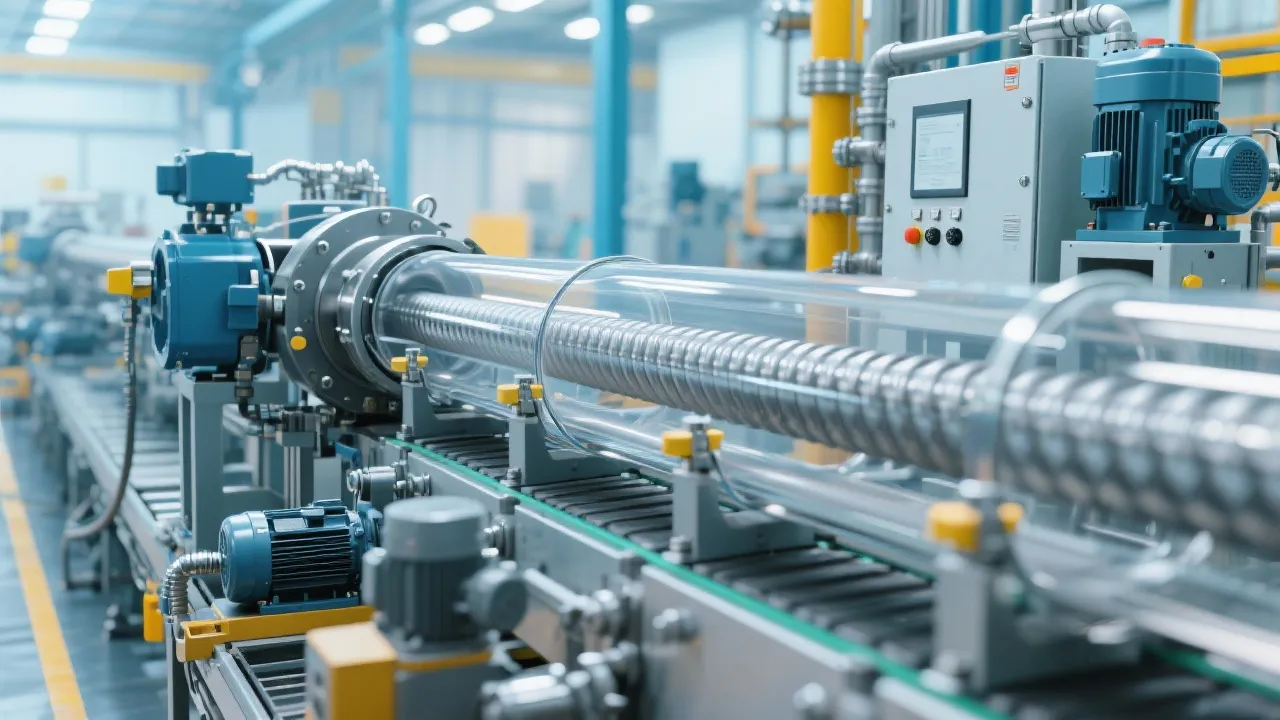
For heavy-duty applications like coal handling in power plants or ore transport in mining operations, a bucket elevator operating at a steep 60° incline demands more than just robust construction—it requires precision engineering to prevent chain skipping, which can lead to downtime, safety risks, and costly repairs.
In traditional bucket elevators, as the inclination increases beyond 45°, gravitational forces and material weight shift significantly toward the chain side. This causes uneven tension distribution, leading to chain misalignment and eventual skipping—especially when conveying abrasive or high-temperature materials such as fly ash (up to 120°C) or iron ore with particle sizes over 50mm.
According to field data from over 200 installations across China and Southeast Asia, up to 38% of premature chain failures in inclined systems occur within the first 6 months if proper design and installation protocols aren’t followed. The root cause? Poor tension control and inadequate anti-slip measures—not poor-quality chains.
1. Specialized Chain Link Geometry: Unlike standard roller chains, Tianqi Machinery’s patented double-pin link design reduces lateral play by 62%, ensuring smoother engagement with sprockets even under dynamic load fluctuations.
2. Anti-Slip Bucket Body Configuration: Each bucket features a textured aluminum alloy surface with micro-grooves that increase friction coefficient by up to 40% compared to smooth steel buckets. This prevents material slippage during acceleration/deceleration cycles—critical for sticky or fine-grained materials like cement clinker.
3. Dynamic Tensioning System: A spring-loaded hydraulic tensioner maintains consistent pre-tension force between 1.8–2.2 kN per meter of chain length—a range proven optimal through FEA simulations and real-world testing in hot environments (up to 150°C).
These components work together not just to reduce wear but also to maintain system stability during variable-speed operation—a common requirement in modern automated processing lines where speed changes are frequent.
In a 2023 project at a limestone mine in Inner Mongolia, a 60° inclined bucket elevator using Tianqi’s design achieved zero chain skips over 14 months of continuous operation—even with fluctuating feed rates ranging from 30–75 tons/hour. Prior to this upgrade, the site experienced an average of 3 chain-related outages per quarter.
Similarly, in a thermal power plant in Vietnam, implementing the same anti-skipping configuration reduced maintenance labor hours by 55% and extended chain life from 6 months to over 18 months—thanks to integrated multi-point lubrication and vibration-dampening mounts.
Following these steps cuts failure risk by up to 70%, according to our internal study involving 150+ installations. These are not theoretical best practices—they’re battle-tested procedures used daily by engineers at Tianqi Machinery.
Common Misconceptions: Many operators assume increasing chain tension solves skipping—but excessive tension actually accelerates bushing wear and increases motor load. The right approach is balanced tension + smart geometry.
If you're dealing with challenging materials or tight space constraints, don't rely on generic designs. At Tianqi Machinery, we specialize in custom-engineered bucket elevators tailored to your exact process conditions—from material properties to ambient temperature and duty cycle.
We offer rapid prototyping, free technical consultations, and 24/7 support—because your production shouldn’t wait for a fix.
Get Your Free Technical Assessment Now →Have questions about chain tensioning or bucket design for your specific application? Share your case below—we read every comment and respond within 24 hours.


 243
|
243
|
 heavy-duty screw conveyor
dust-free material handling
screw conveyor selection guide
industrial conveying solutions
sealed screw conveyor
354
|
chain plate conveyor vibration fatigue test
heavy-duty conveyor stability testing
industrial conveyor reliability verification
conveyor installation and commissioning guide
on-site conveyor performance testing
215
|
custom belt conveyor design
industrial material handling equipment
separable牵引链
high-angle conveyor
on-time delivery rate
486
|
bucket elevator customization
lifting height for bucket elevator
conveying capacity bucket elevator
chain vs belt bucket elevator
industrial material handling equipment
85
|
heavy-duty screw conveyor
dust-free conveying equipment
material conveying selection
sealed screw conveyor
industrial material transport solutions
heavy-duty screw conveyor
dust-free material handling
screw conveyor selection guide
industrial conveying solutions
sealed screw conveyor
354
|
chain plate conveyor vibration fatigue test
heavy-duty conveyor stability testing
industrial conveyor reliability verification
conveyor installation and commissioning guide
on-site conveyor performance testing
215
|
custom belt conveyor design
industrial material handling equipment
separable牵引链
high-angle conveyor
on-time delivery rate
486
|
bucket elevator customization
lifting height for bucket elevator
conveying capacity bucket elevator
chain vs belt bucket elevator
industrial material handling equipment
85
|
heavy-duty screw conveyor
dust-free conveying equipment
material conveying selection
sealed screw conveyor
industrial material transport solutions