.png?x-oss-process=image/resize,h_100,m_lfit/format,webp)
.png?x-oss-process=image/resize,h_100,m_lfit/format,webp)
.png?x-oss-process=image/resize,h_100,m_lfit/format,webp)
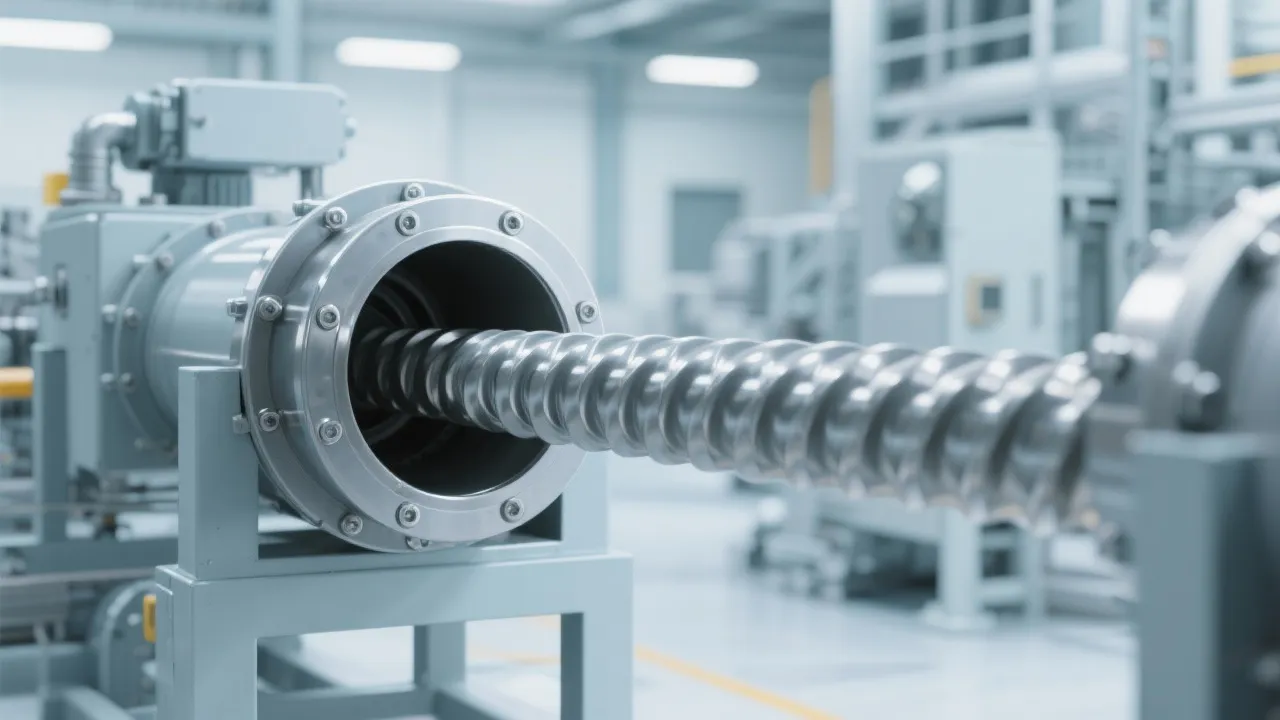
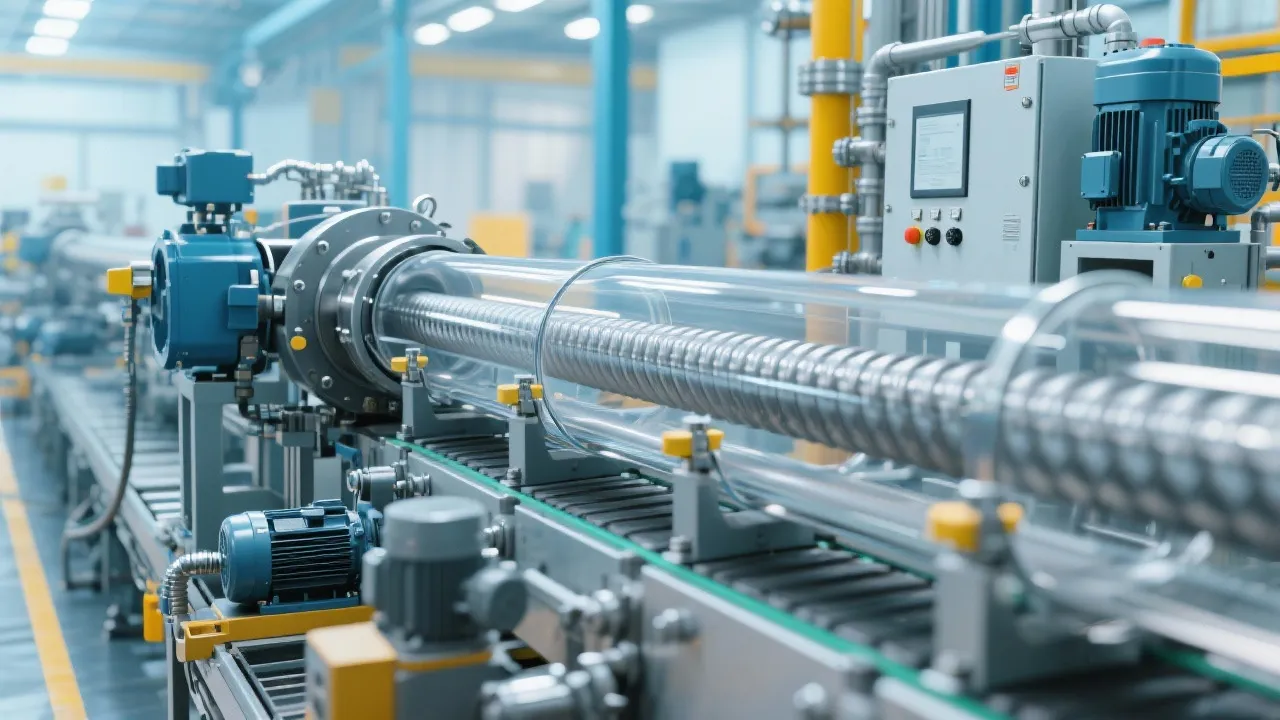
Heavy belt conveyors are often plagued by frequent slipping under heavy load conditions. This issue doesn't just slow down production— it can also pose serious safety risks. Let's take a real - world example: a mining site suffered a 3 - day continuous shutdown due to belt slipping, resulting in losses exceeding $500,000. So, what exactly causes these problems, and how can you use scientific tension adjustment to reduce the failure rate?
There are several common culprits behind belt slippage. Insufficient or excessive tension is a primary cause. When the belt isn't tightened properly, it fails to maintain the necessary friction with the rollers, leading to slippage. On the other hand, over - tensioning can accelerate belt wear. Eccentric rollers can also disrupt the smooth movement of the belt, causing it to slip unevenly. Additionally, belt aging, which reduces its elasticity and grip, is a significant factor.
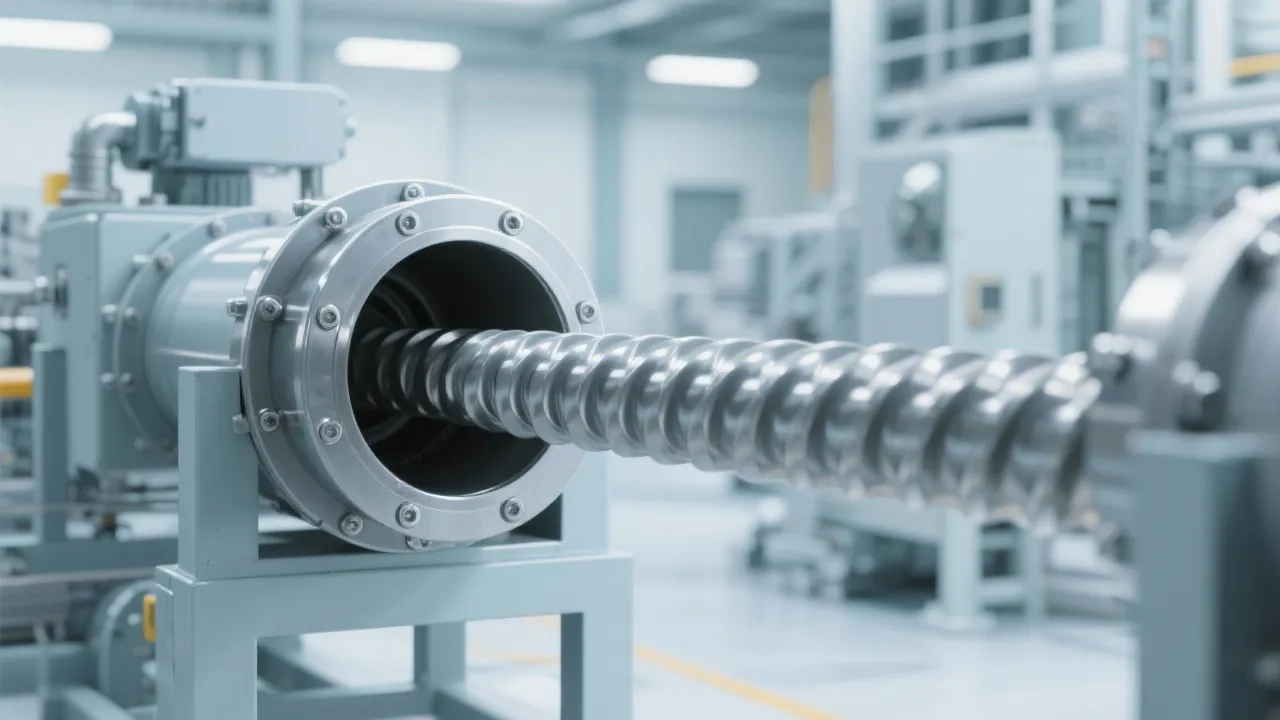
The process of scientific tension adjustment involves several key steps. First, during the initial setup, you need to accurately measure and set the appropriate tension according to the conveyor's specifications. This requires using reliable tension - measuring tools to ensure precision. Once the conveyor is in operation, continuous dynamic monitoring is essential. You can use sensors to track the belt's tension in real - time and make timely adjustments as needed.
Here is a tension - force comparison chart (Figure 2) that can help you understand the relationship between tension and the conveyor's performance. [Insert a simple table or graph here if possible, showing different tension levels and corresponding performance indicators like slippage rate, power consumption, etc.]
Let's look at two factories. Factory A didn't follow standardized tension adjustment procedures. As a result, they faced frequent belt slippage, which led to increased maintenance costs and significant production downtime. In contrast, Factory B strictly adhered to a standard process. They had a systematic approach to tension adjustment and regular belt inspections. This led to a 60% reduction in belt slippage incidents and a 30% increase in production efficiency.
To avoid belt slippage problems, preventive maintenance is crucial. You should create monthly and quarterly inspection checklists. These checklists should cover aspects such as belt tension, roller alignment, and belt wear. Keeping a record of key parameters, like tension force and belt speed, can help you detect early signs of potential issues. An industry expert suggests, "Regular and detailed inspections are the best way to ensure the long - term stability of your conveyor system."
Investing in proper tension adjustment and preventive maintenance might seem to involve additional costs, such as labor and tool expenses. However, in the long run, it can lead to significant savings. By reducing the frequency of repairs and minimizing production downtime, you can achieve a high return on investment (ROI). For every dollar spent on maintenance, you can expect to save up to $5 in repair and lost - production costs.
When working with tension adjustment under high - pressure environments, safety is of utmost importance. You must follow strict safety protocols to avoid risks such as mechanical injuries and electrical hazards. For example, always wear appropriate protective gear and ensure that the conveyor is properly shut down before conducting any maintenance work.
Ensure your conveyor system runs smoothly with reliable tension adjustment. With Skywise Machinery, you can make every conveyor belt as stable as a rock. Learn more about our solutions now!
 73
|
73
|
 Heavy-duty screw conveyor
Dust-free conveying
Screw rotor design
Powder material conveying
Multi-point feeding and discharging
107
|
heavy-duty screw conveyor selection
screw conveyor sealing technology
powder material conveying solutions
industrial screw conveyor parameters
dust-free material transport equipment
134
|
custom belt conveyor design
non-standard conveyor systems
industrial material handling
belt conveyor integration
high-efficiency conveyor systems
275
|
mesh belt conveyor application
cement industry conveyor equipment
paper industry material handling
customized non-standard conveyor
efficient material transport solutions
474
|
Heavy-duty screw conveyor
Dust-free conveying
Sealed conveyor
Industrial dust control
Material conveying equipment
Heavy-duty screw conveyor
Dust-free conveying
Screw rotor design
Powder material conveying
Multi-point feeding and discharging
107
|
heavy-duty screw conveyor selection
screw conveyor sealing technology
powder material conveying solutions
industrial screw conveyor parameters
dust-free material transport equipment
134
|
custom belt conveyor design
non-standard conveyor systems
industrial material handling
belt conveyor integration
high-efficiency conveyor systems
275
|
mesh belt conveyor application
cement industry conveyor equipment
paper industry material handling
customized non-standard conveyor
efficient material transport solutions
474
|
Heavy-duty screw conveyor
Dust-free conveying
Sealed conveyor
Industrial dust control
Material conveying equipment