.png?x-oss-process=image/resize,h_100,m_lfit/format,webp)
.png?x-oss-process=image/resize,h_100,m_lfit/format,webp)
.png?x-oss-process=image/resize,h_100,m_lfit/format,webp)
You’re likely familiar with the frustration of a conveyor system that stutters under load or skips on curves—especially when it’s not just about downtime but also long-term wear and tear. The truth is, roller diameter isn’t just a number—it’s one of the most critical factors in designing efficient material handling systems.
Roller diameter directly affects three key performance metrics:
For example, a 25mm roller may handle light boxes up to 15kg efficiently, while an 80mm roller can support heavy pallets (up to 500kg) without sagging or slipping—especially on slopes up to 10°.
If you're moving lightweight items like paper rolls or small packaging units, a 25–40mm carbon steel roller (like those from Tianqi Machinery) offers cost-effective efficiency. However, if your application involves heavy-duty storage racks, industrial carts, or automated guided vehicles (AGVs), opt for 60–80mm rollers made from stainless steel or hardened alloy to avoid deformation and extend service life by up to 40%.
According to ISO 13849-1 standards for safety-related parts of control systems, proper roller sizing reduces mechanical failure risks by over 60%. This means less maintenance, fewer replacements—and better throughput.
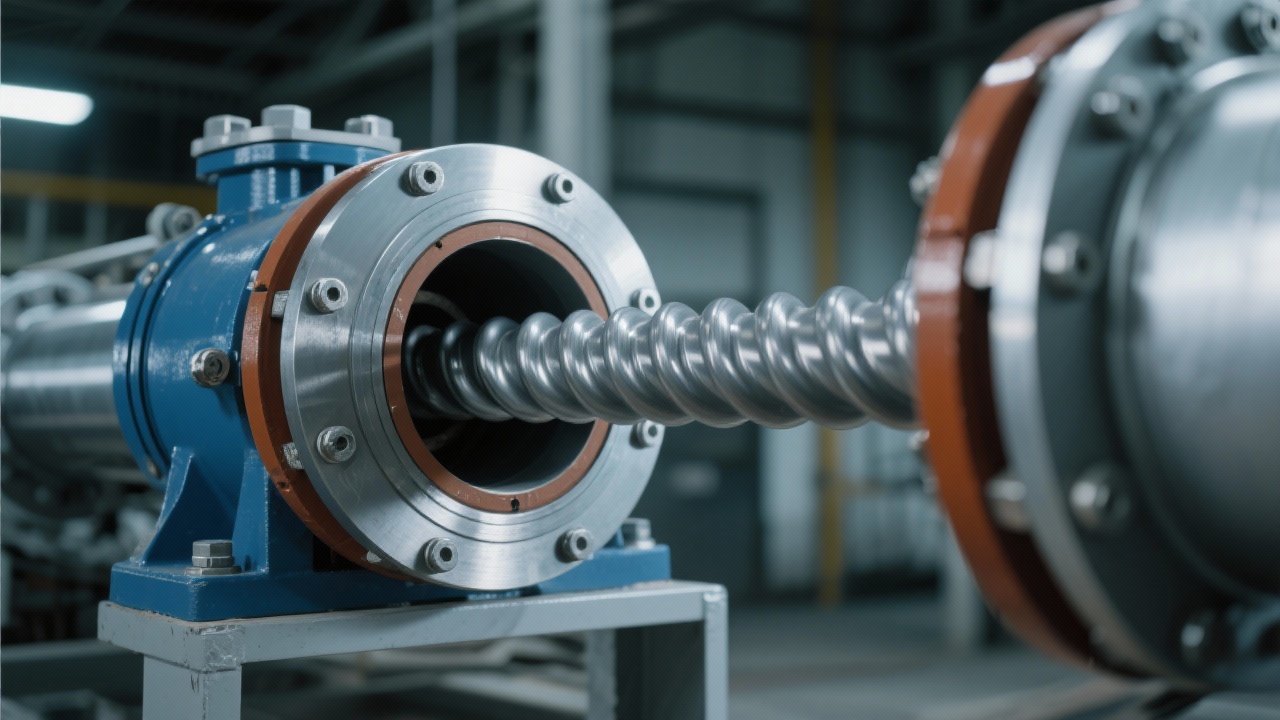
On inclines, use larger rollers (≥60mm) when slope exceeds 5°—this minimizes slippage and keeps speed consistent. For curves, select rollers with diameters ≥70mm to prevent lateral movement or “jumping” off the track—a common issue in warehouse automation lines.
A real-world case from a logistics client using Tianqi Machinery’s modular roller conveyors showed a 30% reduction in jamming incidents after switching from 35mm to 60mm rollers in their sortation zone—proving that even small changes make big impacts.
Carbon steel rollers are economical and suitable for dry indoor environments. But in humid or chemical-rich settings (e.g., food processing, pharmaceuticals), stainless steel provides superior corrosion resistance—extending roller life by 2–3x compared to untreated steel.
Always match your roller diameter to both the weight and environment—not just the item size.
Pro Tip: Use this simple flowchart to determine the right roller diameter based on your specific use case—whether it's flat, sloped, or curved.
Now that you’ve got the logic behind roller selection, don't guess—optimize. Whether you're upgrading existing lines or building new ones, getting the diameter right ensures smoother operations, reduced downtime, and higher ROI.
Download Our Free Technical White Paper on Roller Selection for Industrial Conveyors


 311
|
311
|
 washable chain conveyor
industrial conveyor CIP cleaning
food industry hygiene standards
modular conveyor system
stainless steel conveyor cleaning
268
|
Belt conveyor slippage failure treatment
Heavy belt tension adjustment
Conveyor belt maintenance guide
Heavy - load conveying system operation optimization
Belt tensioning technology practice
163
|
bucket elevator height and capacity matching
chain vs belt bucket elevator
industrial vertical conveying efficiency
custom bucket elevator design
CE certified bucket elevator
70
|
chain plate conveyor selection
industrial conveyor design
complex production line solutions
horizontal inclined curved conveyors
material handling optimization
212
|
custom conveyor belts
non-standard conveying equipment
industrial material handling solutions
separated chain structure
efficient continuous conveyor system
washable chain conveyor
industrial conveyor CIP cleaning
food industry hygiene standards
modular conveyor system
stainless steel conveyor cleaning
268
|
Belt conveyor slippage failure treatment
Heavy belt tension adjustment
Conveyor belt maintenance guide
Heavy - load conveying system operation optimization
Belt tensioning technology practice
163
|
bucket elevator height and capacity matching
chain vs belt bucket elevator
industrial vertical conveying efficiency
custom bucket elevator design
CE certified bucket elevator
70
|
chain plate conveyor selection
industrial conveyor design
complex production line solutions
horizontal inclined curved conveyors
material handling optimization
212
|
custom conveyor belts
non-standard conveying equipment
industrial material handling solutions
separated chain structure
efficient continuous conveyor system