.png?x-oss-process=image/resize,h_100,m_lfit/format,webp)
.png?x-oss-process=image/resize,h_100,m_lfit/format,webp)
.png?x-oss-process=image/resize,h_100,m_lfit/format,webp)
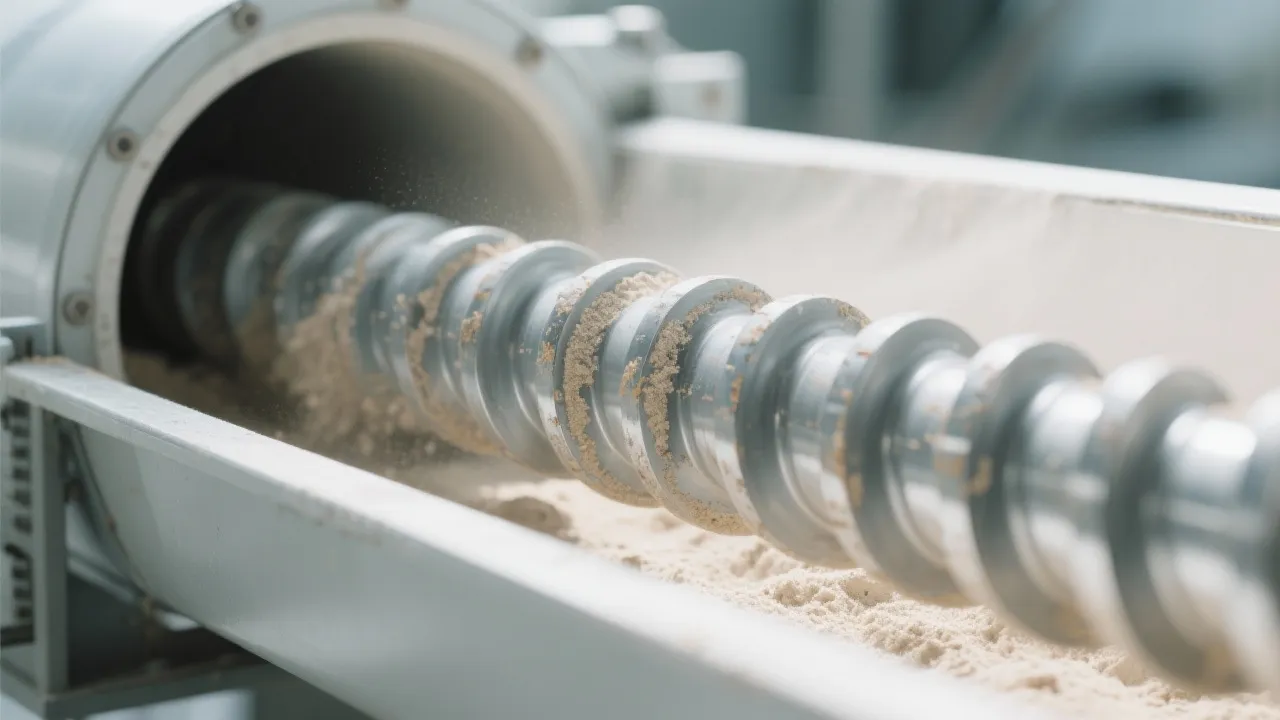
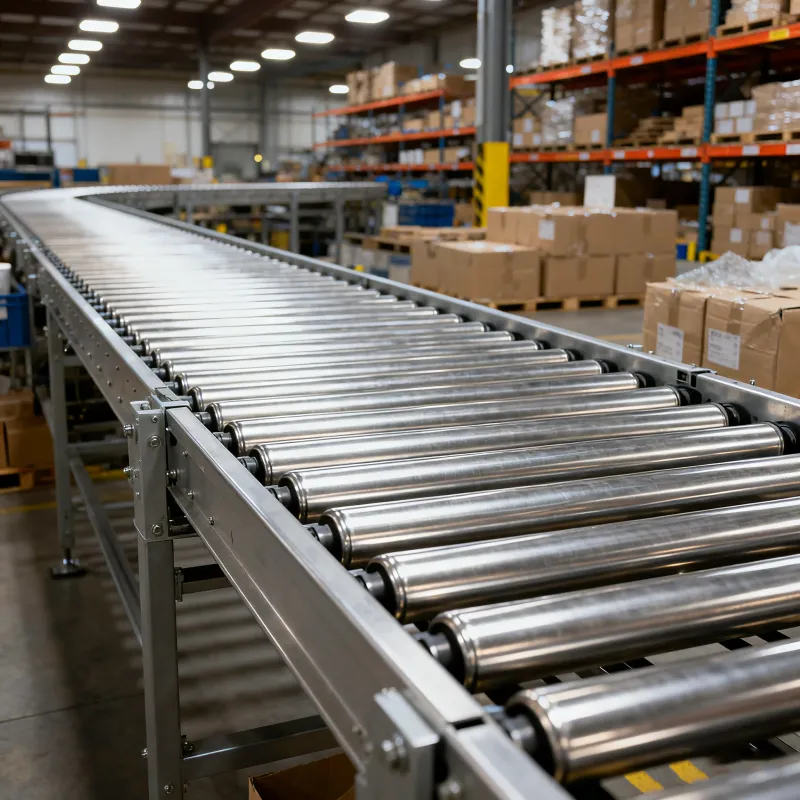
If you're designing or optimizing a non-powered roller conveyor system for your production line or warehouse, one critical factor often overlooked is roller diameter — not just a number on a spec sheet, but a key driver of efficiency, safety, and long-term ROI.
Rollers between 25mm and 80mm each serve distinct roles:
For example, using 30mm rollers on a 15% incline can cause frequent jams due to insufficient torque transfer — a common mistake we’ve seen in automotive assembly plants. At that angle, the minimum recommended diameter jumps to 60mm.
Carbon steel rollers are cost-effective for dry environments (like packaging lines), while stainless steel (AISI 304) is essential in humid or food-grade settings where corrosion resistance matters. For instance, in a seafood processing facility, carbon steel would degrade within 6 months — stainless lasts 5+ years with minimal maintenance.
Remember: selecting the wrong material isn’t just about upfront cost—it impacts downtime, replacement frequency, and compliance with ISO 9001 standards for quality control.
Ask yourself these questions before finalizing your design:
This approach ensures optimal performance—not just today, but over the next 5+ years of operation.
Pro Tip: Always test your selected configuration in real-world conditions—even if it seems ideal on paper. We once helped a logistics client avoid $12k in wasted materials by simulating their actual workflow before rollout.
Whether you’re setting up a new line or upgrading an existing one, choosing the right roller diameter makes all the difference in uptime, throughput, and worker safety.
Download Our Free Technical Whitepaper on Roller Selection for Industrial Conveyors 206
|
206
|
 bucket elevator working principle
bucket elevator selection
chain bucket elevator vs belt bucket elevator
vertical conveying solutions for powder materials
mining industry conveyor equipment
191
|
heavy-duty screw conveyors
dust-free conveying solutions
sealing technology
multi-point feeding and discharging
material handling equipment selection
418
|
bucket elevator maintenance
bucket elevator troubleshooting
belt misalignment correction
chain bucket elevator lubrication
reduced conveying capacity causes
189
|
custom mesh belt conveyor
paper industry material handling equipment
high-speed high-capacity conveyor
non-standard conveyor design
industrial conveyor system integration
212
|
custom conveyor belts
non-standard conveying equipment
industrial material handling solutions
separated chain structure
efficient continuous conveyor system
bucket elevator working principle
bucket elevator selection
chain bucket elevator vs belt bucket elevator
vertical conveying solutions for powder materials
mining industry conveyor equipment
191
|
heavy-duty screw conveyors
dust-free conveying solutions
sealing technology
multi-point feeding and discharging
material handling equipment selection
418
|
bucket elevator maintenance
bucket elevator troubleshooting
belt misalignment correction
chain bucket elevator lubrication
reduced conveying capacity causes
189
|
custom mesh belt conveyor
paper industry material handling equipment
high-speed high-capacity conveyor
non-standard conveyor design
industrial conveyor system integration
212
|
custom conveyor belts
non-standard conveying equipment
industrial material handling solutions
separated chain structure
efficient continuous conveyor system