.png?x-oss-process=image/resize,h_100,m_lfit/format,webp)
.png?x-oss-process=image/resize,h_100,m_lfit/format,webp)
.png?x-oss-process=image/resize,h_100,m_lfit/format,webp)
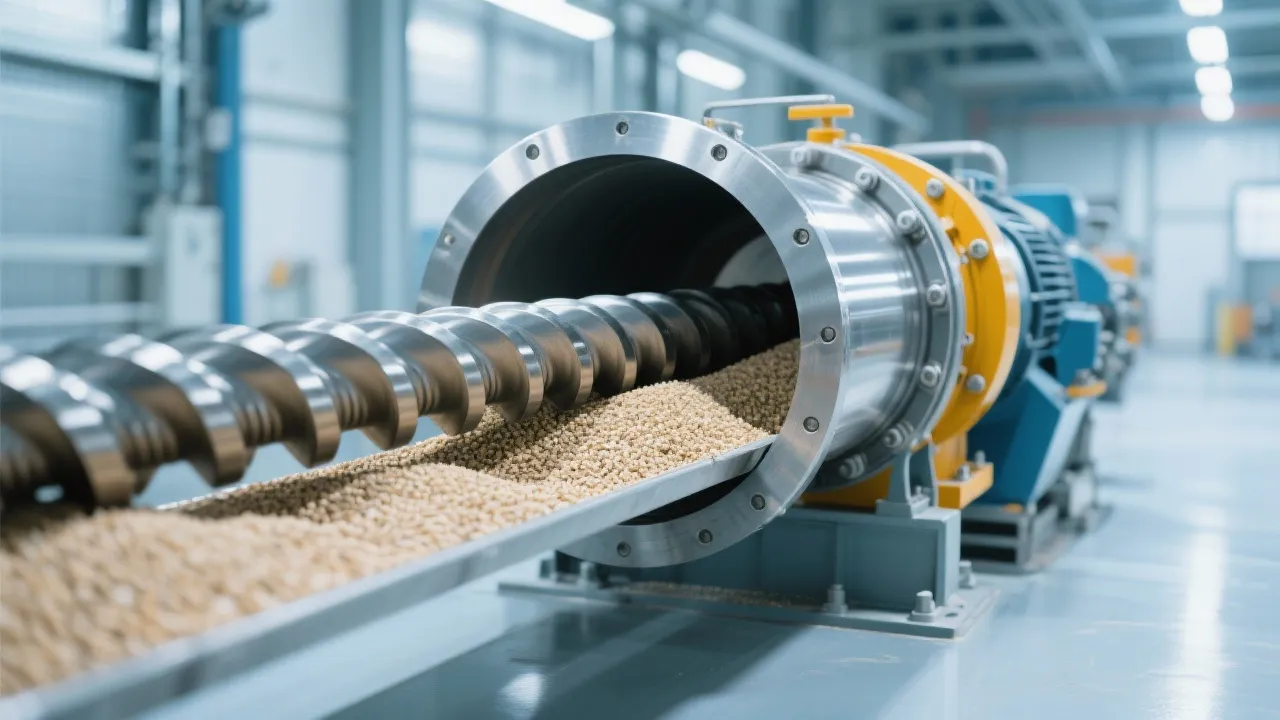
Selecting the right heavy-duty screw conveyor for efficient and dust-free material handling is crucial for enhancing production efficiency and ensuring environmental safety. This article delves into the key factors that influence the selection of screw conveyor models, including equipment performance parameters, material characteristics, and the conveying environment.
Before choosing a heavy-duty screw conveyor, it's essential to understand its core performance parameters. The conveying distance and lifting height are two critical factors. For example, a screw conveyor with a longer conveying distance may require a more powerful motor to ensure smooth material flow. According to industry data, in a large-scale manufacturing plant, increasing the conveying distance by 10 meters may require a 15% increase in motor power.
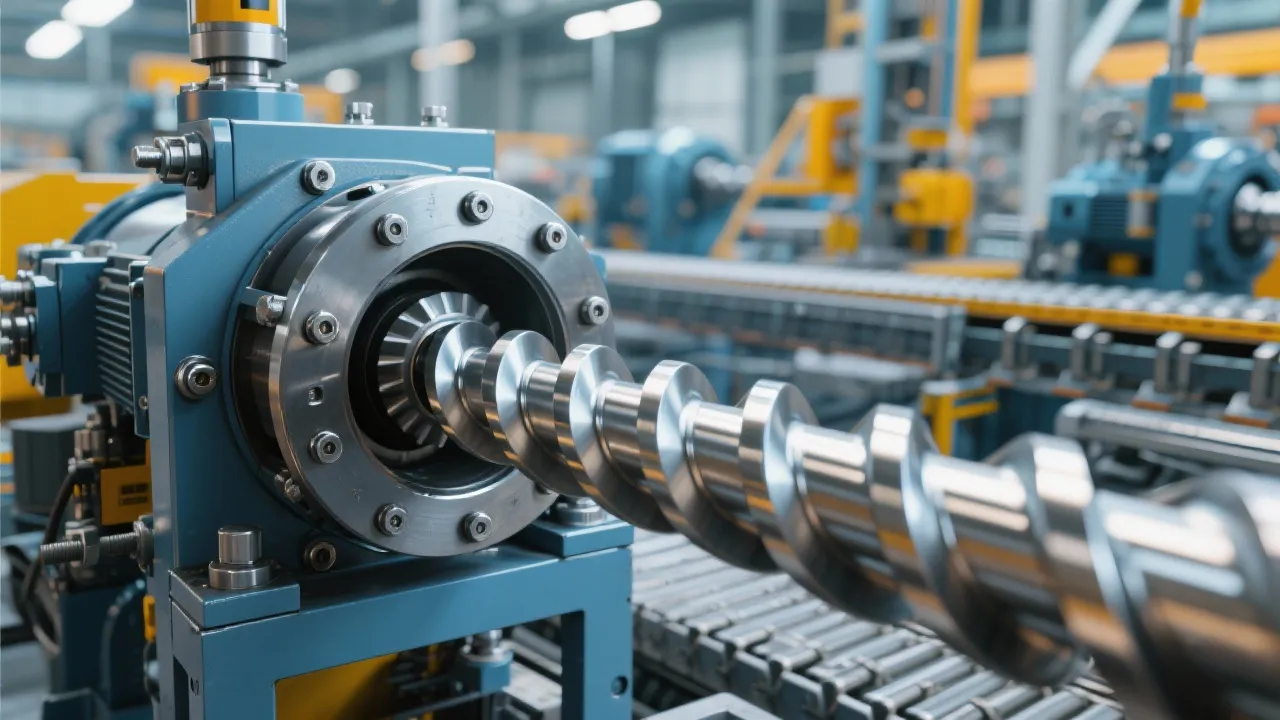
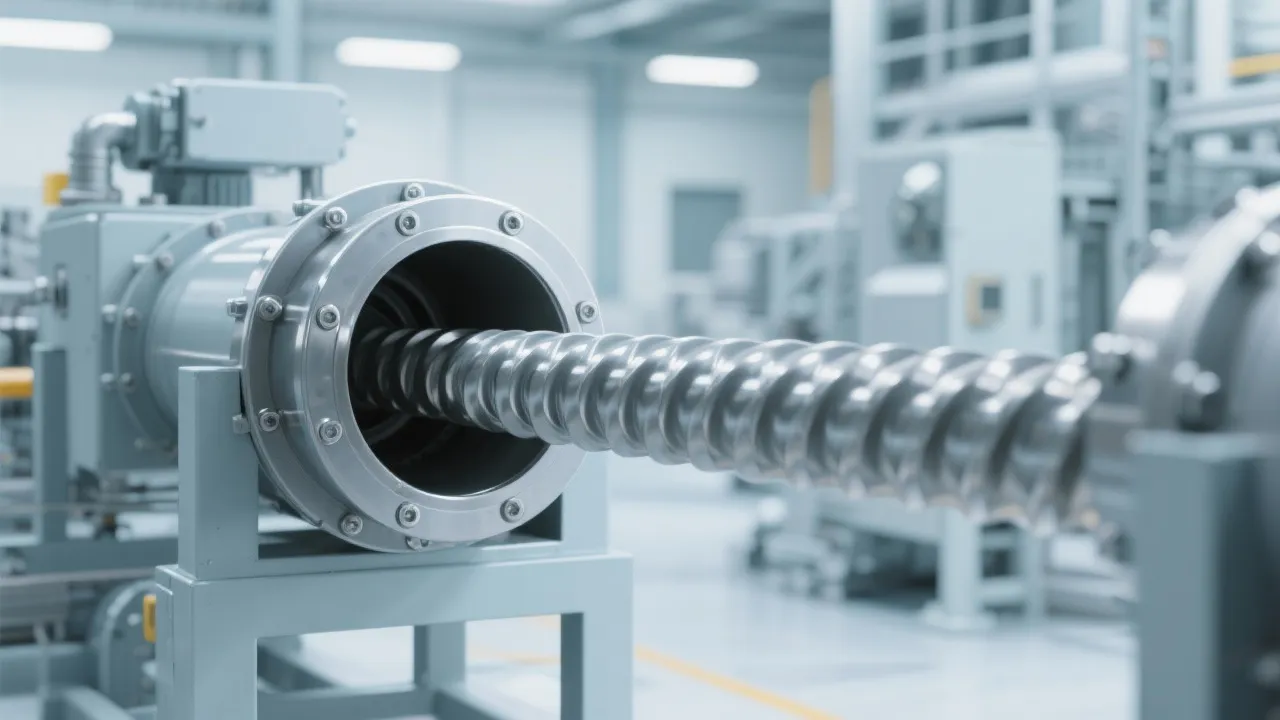
The design of the screw rotor also plays a significant role. Different types of screw rotors are suitable for different materials. For instance, a larger pitch screw rotor is more efficient for conveying granular materials, while a smaller pitch one is better for powders.

Materials can be classified into powders, granules, and small chunks, each with its own unique characteristics that affect conveyor selection. Powders are more likely to cause dust pollution, so a conveyor with excellent dust control is necessary. Granular materials require a conveyor with a stable conveying capacity, while small chunks may need a more robust structure to prevent damage to the equipment.
For example, in a cement production plant, the fine powder characteristics of cement require a dust-sealed screw conveyor. Studies have shown that using a proper dust-sealed conveyor can reduce dust emissions by up to 80% compared to an ordinary conveyor.
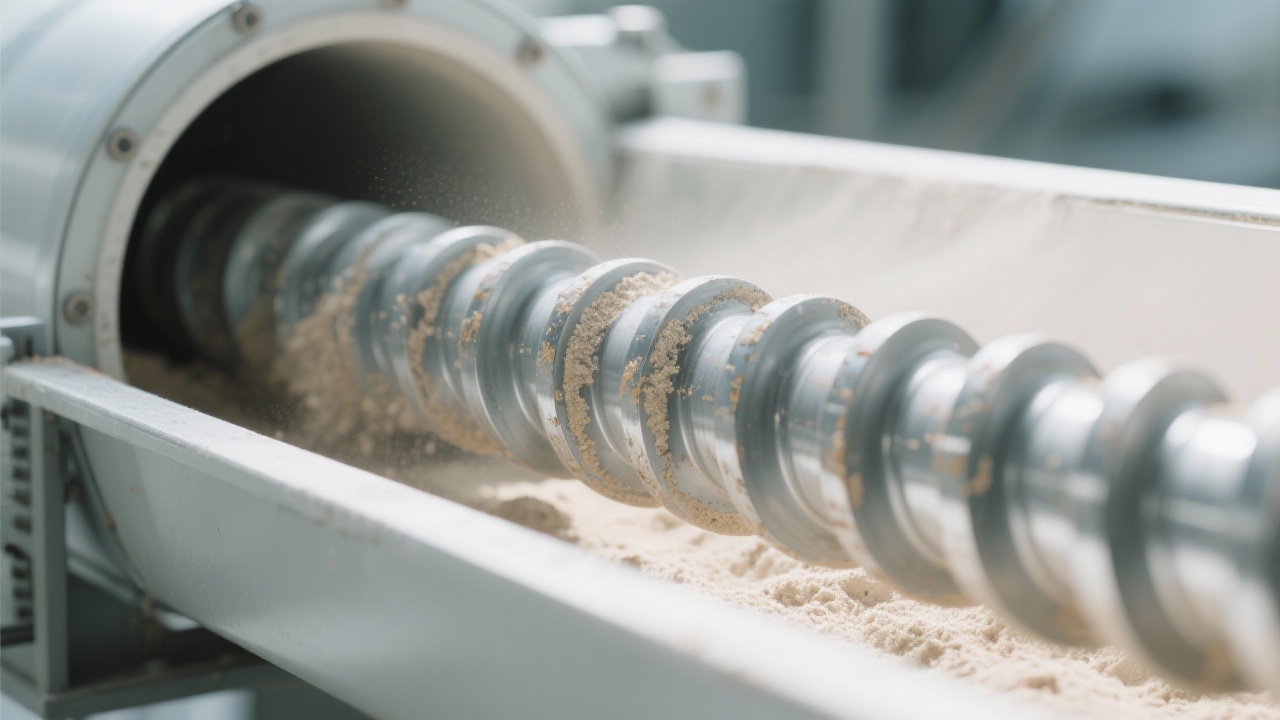
Sealed operation technology is a major advantage of modern heavy-duty screw conveyors. It effectively controls dust dispersion and material contamination, protecting the working environment and ensuring the quality of the conveyed materials. By preventing dust from escaping, this technology also reduces the risk of health problems for workers.
In a chemical production company, implementing a sealed screw conveyor led to a 60% reduction in the incidence of respiratory diseases among workers. This not only improves the safety of the workplace but also enhances the overall production efficiency by reducing downtime caused by health - related issues.
Multi-point feeding and discharging configurations significantly enhance the flexibility of production lines. They allow for the simultaneous input and output of materials at different points, meeting the complex requirements of modern production processes. For example, in an automobile manufacturing plant, a screw conveyor with multi-point feeding and discharging can transport different parts to various assembly stations, improving the overall production efficiency.
According to industry statistics, using a multi - point configuration conveyor can increase production flexibility by up to 50%, reducing production bottlenecks and improving the overall efficiency of the production line.
Heavy-duty screw conveyors are known for their robust structure, which can withstand the wear and tear of long - term operation. This structural durability reduces the frequency of equipment replacement and maintenance, thereby lowering the overall cost of ownership. For example, a well - designed screw conveyor can operate for up to 10 years with only regular minor maintenance.
In addition, our company provides comprehensive after - sales service, ensuring that any problems with the equipment can be quickly resolved. This gives our customers peace of mind and allows them to focus on their core production processes.
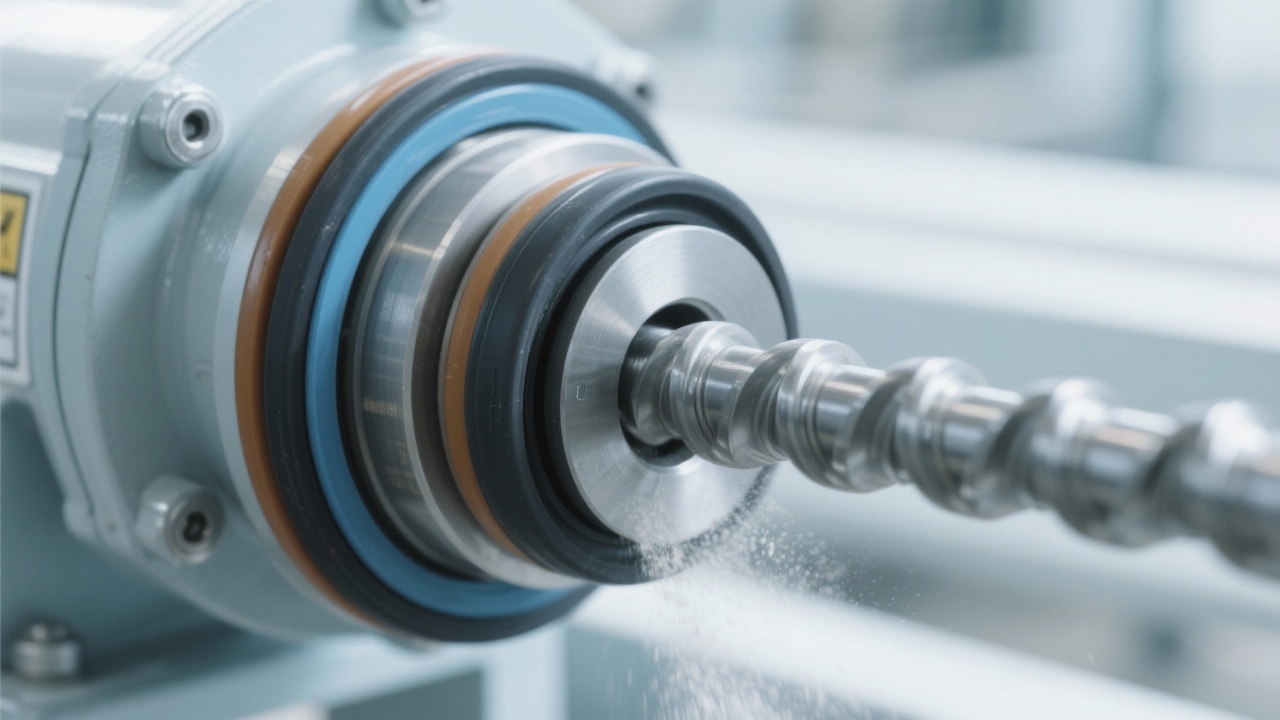
In conclusion, scientific selection of heavy - duty screw conveyors can significantly improve production efficiency and ensure environmentally friendly production. If you are interested in learning more about how our heavy - duty screw conveyors can meet your specific needs, click here to get in touch with our experts!


 187
|
187
|
 high-efficiency motor heavy-duty belt conveyor
conveyor noise reduction technology
energy-saving conveyor systems
preventive maintenance for belt conveyors
mining conveyor solutions
479
|
Heavy-duty screw conveyor selection
Powder material conveying
Granular material conveying
Small块状 material conveying
Dust-free screw conveyor
338
|
heavy-duty screw conveyor
dust-free material handling
sealed operation technology
multi-point feed discharge
conveyor selection criteria
368
|
heavy-duty screw conveyor
multi-point feeding and discharging
dust-free material handling
screw conveyor design
industrial conveyor systems
474
|
Heavy-duty screw conveyor
Dust-free conveying
Sealed conveyor
Industrial dust control
Material conveying equipment
high-efficiency motor heavy-duty belt conveyor
conveyor noise reduction technology
energy-saving conveyor systems
preventive maintenance for belt conveyors
mining conveyor solutions
479
|
Heavy-duty screw conveyor selection
Powder material conveying
Granular material conveying
Small块状 material conveying
Dust-free screw conveyor
338
|
heavy-duty screw conveyor
dust-free material handling
sealed operation technology
multi-point feed discharge
conveyor selection criteria
368
|
heavy-duty screw conveyor
multi-point feeding and discharging
dust-free material handling
screw conveyor design
industrial conveyor systems
474
|
Heavy-duty screw conveyor
Dust-free conveying
Sealed conveyor
Industrial dust control
Material conveying equipment