.png?x-oss-process=image/resize,h_100,m_lfit/format,webp)
.png?x-oss-process=image/resize,h_100,m_lfit/format,webp)
.png?x-oss-process=image/resize,h_100,m_lfit/format,webp)
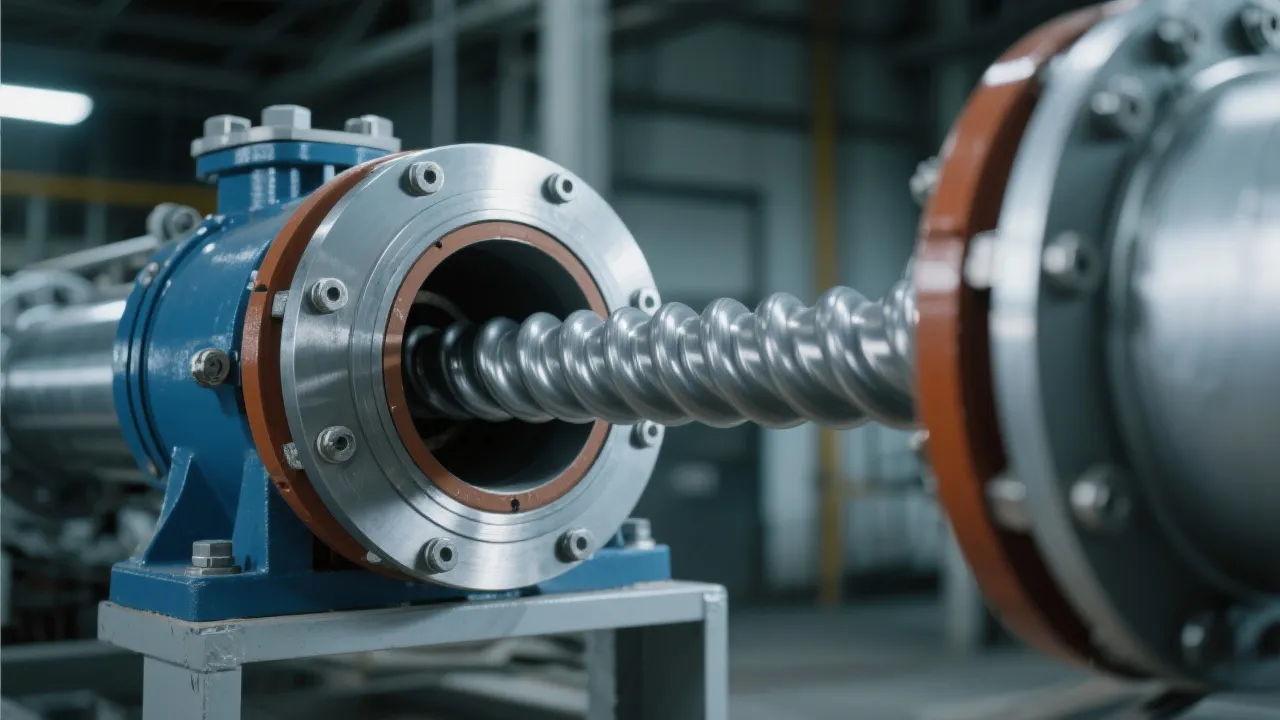
In industries like cement production, metallurgy, and waste-to-energy plants, transporting hot bulk materials—often exceeding 300°C—is a daily challenge. Traditional open-chain bucket elevators struggle with dust emissions, heat loss, and frequent mechanical failures. That’s where the semi-closed chain bucket elevator shines: engineered for durability, safety, and precision in extreme conditions.
A well-designed sealing system isn’t just about containment—it’s about energy efficiency and worker safety. According to field data from our engineering team at Tianqi Machinery, properly sealed systems reduce thermal losses by up to 22% compared to standard designs. This translates directly into lower operating costs and fewer emissions violations.
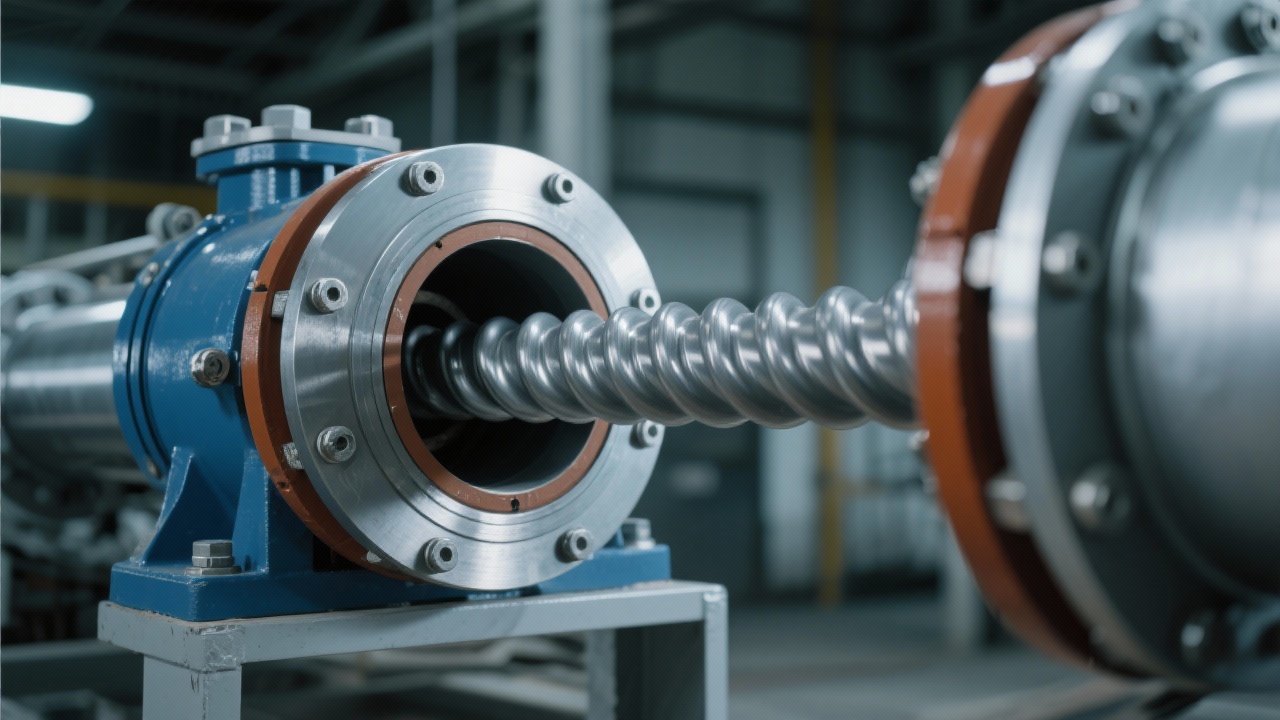
Choosing the right materials is critical when dealing with temperatures above 250°C. We use high-grade stainless steel (AISI 304/316L) for buckets and wear-resistant alloy steel for chains. These choices aren’t arbitrary—they’re based on real-world performance under continuous operation. In one case study from a steel mill in India, replacing standard carbon steel components with our耐热材料 (heat-resistant materials) reduced maintenance intervals from every 3 months to over 12 months.
At a cement plant in Morocco, our semi-closed design cut dust emissions by 78%, helping them meet local environmental regulations without costly upgrades. Meanwhile, a municipal waste facility in Dubai reported a 30% increase in uptime after switching to our custom-configured model tailored for ash handling at 400°C.
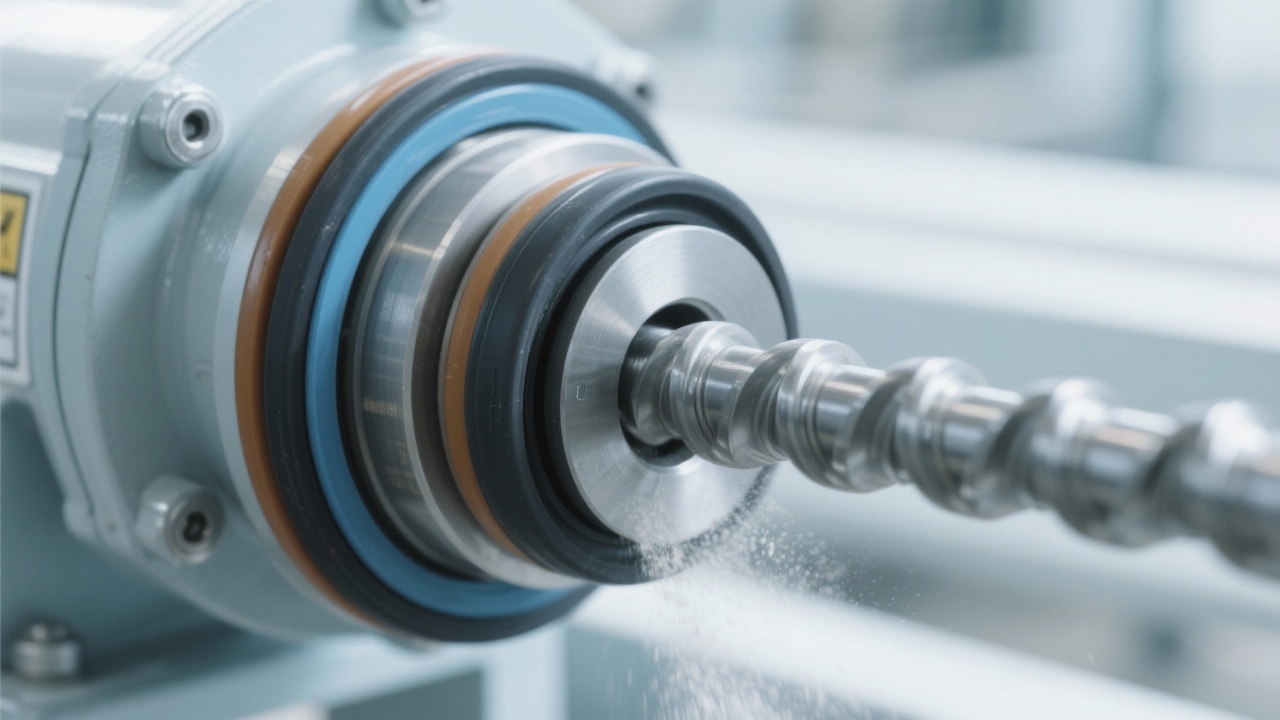
These steps are part of our comprehensive Tianqi Maintenance Checklist, used globally by operators to extend equipment life and minimize downtime.
Whether you're facing dust issues, high energy consumption, or inconsistent performance, we offer customized solutions based on your specific process parameters.
Explore Custom Solutions


 91
|
91
|
 separate chain conveyor design
industrial belt conveyor
wear-resistant alloy steel
high-capacity material handling
customized conveyor system
179
|
heavy-duty screw conveyor
dust-free material handling
multi-point infeed and discharge
industrial screw conveyor solutions
flexible production line equipment
417
|
bucket elevator maintenance
bucket elevator troubleshooting
belt misalignment correction
chain bucket elevator lubrication
reduced conveying capacity causes
419
|
Mesh belt conveyor
High - capacity material handling
Customized design
Separated traction chain
Industrial equipment on - time delivery
44
|
heavy-duty chain conveyor
vibration fatigue testing
conveyor system stability
industrial conveyor solutions
chain conveyor maintenance
separate chain conveyor design
industrial belt conveyor
wear-resistant alloy steel
high-capacity material handling
customized conveyor system
179
|
heavy-duty screw conveyor
dust-free material handling
multi-point infeed and discharge
industrial screw conveyor solutions
flexible production line equipment
417
|
bucket elevator maintenance
bucket elevator troubleshooting
belt misalignment correction
chain bucket elevator lubrication
reduced conveying capacity causes
419
|
Mesh belt conveyor
High - capacity material handling
Customized design
Separated traction chain
Industrial equipment on - time delivery
44
|
heavy-duty chain conveyor
vibration fatigue testing
conveyor system stability
industrial conveyor solutions
chain conveyor maintenance