.png?x-oss-process=image/resize,h_100,m_lfit/format,webp)
.png?x-oss-process=image/resize,h_100,m_lfit/format,webp)
.png?x-oss-process=image/resize,h_100,m_lfit/format,webp)
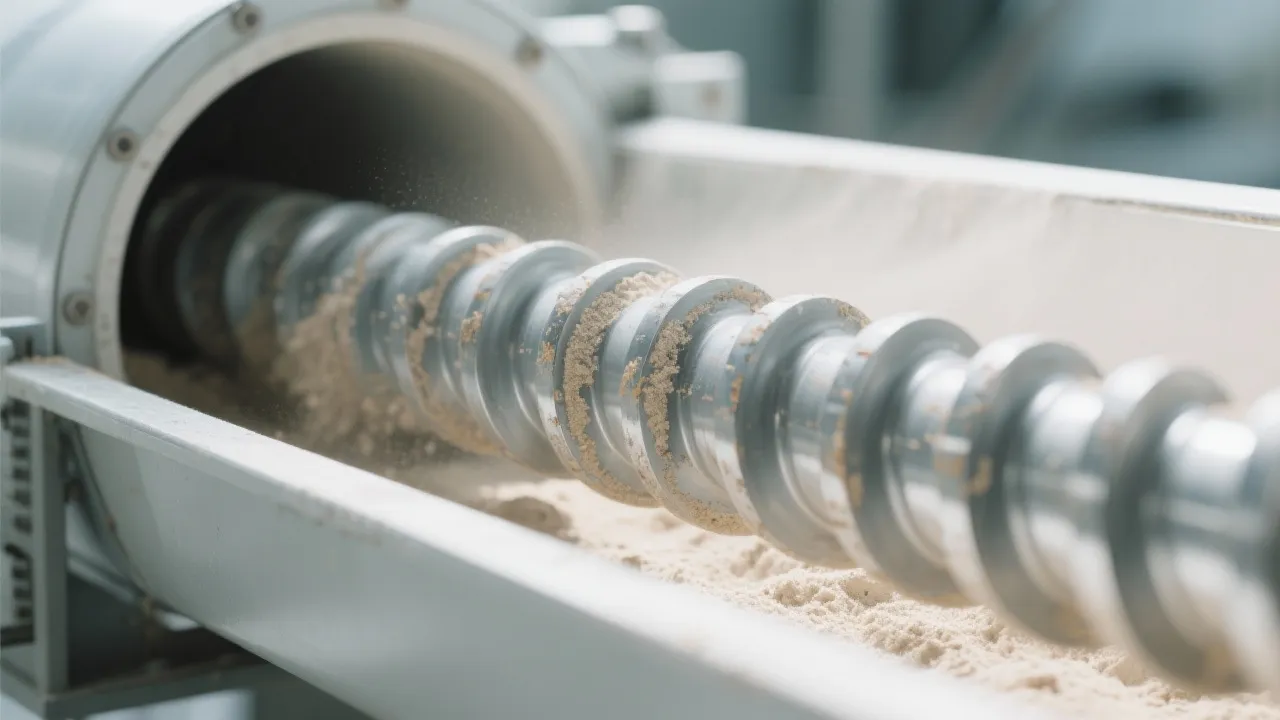
You’re not alone if you’ve stared at a spec sheet and wondered: “Which bucket elevator actually fits my production line?” Many buyers make costly mistakes by focusing only on price or generic specs—ignoring how lift height and material capacity directly impact performance, maintenance, and long-term ROI.
Let’s break it down:
Expert Insight: According to ISO 13479, proper bucket spacing and belt speed must align with material flow rate—not just raw throughput—to prevent spillage and wear. Always consult a certified engineer before finalizing your configuration.
| Industry | Typical Lift Height | Preferred Drive Type | Bucket Material |
|---|---|---|---|
| Food Processing | 5–12 m | Servo Motor | Food-Grade Stainless Steel |
| Cement Manufacturing | 15–25 m | Gearbox + Induction Motor | Wear-Resistant Steel |
| Chemical Industry | 10–20 m | Explosion-Proof Motor | Corrosion-Resistant Alloy |
At Tianqi Machinery, we help clients avoid common pitfalls like mismatched drive ratios or undersized pulleys. Our engineers use real-time simulation tools to model performance under actual operating conditions—ensuring stable, efficient operation from day one.
 211
|
211
|
 bucket elevator working principle
bucket elevator selection
chain bucket elevator vs belt bucket elevator
vertical conveying solutions for powder materials
mining industry conveyor equipment
359
|
high temperature bulk material handling
semi closed chain bucket conveyor
heat resistant conveyor systems
industrial material transport solutions
dust control in material conveying
330
|
chain bucket conveyor wear parts
high wear material handling
boiler ash conveyor
slag conveying equipment
preventive maintenance strategy
370
|
bucket elevator customization
lifting height and capacity matching
chain vs belt elevator
bulk material conveying solution
industrial vertical lifting equipment
341
|
chain bucket conveyor wear parts
high wear material handling
boiler ash conveyor
slag handling equipment
ceramic composite bucket liner
bucket elevator working principle
bucket elevator selection
chain bucket elevator vs belt bucket elevator
vertical conveying solutions for powder materials
mining industry conveyor equipment
359
|
high temperature bulk material handling
semi closed chain bucket conveyor
heat resistant conveyor systems
industrial material transport solutions
dust control in material conveying
330
|
chain bucket conveyor wear parts
high wear material handling
boiler ash conveyor
slag conveying equipment
preventive maintenance strategy
370
|
bucket elevator customization
lifting height and capacity matching
chain vs belt elevator
bulk material conveying solution
industrial vertical lifting equipment
341
|
chain bucket conveyor wear parts
high wear material handling
boiler ash conveyor
slag handling equipment
ceramic composite bucket liner