.png?x-oss-process=image/resize,h_100,m_lfit/format,webp)
.png?x-oss-process=image/resize,h_100,m_lfit/format,webp)
.png?x-oss-process=image/resize,h_100,m_lfit/format,webp)
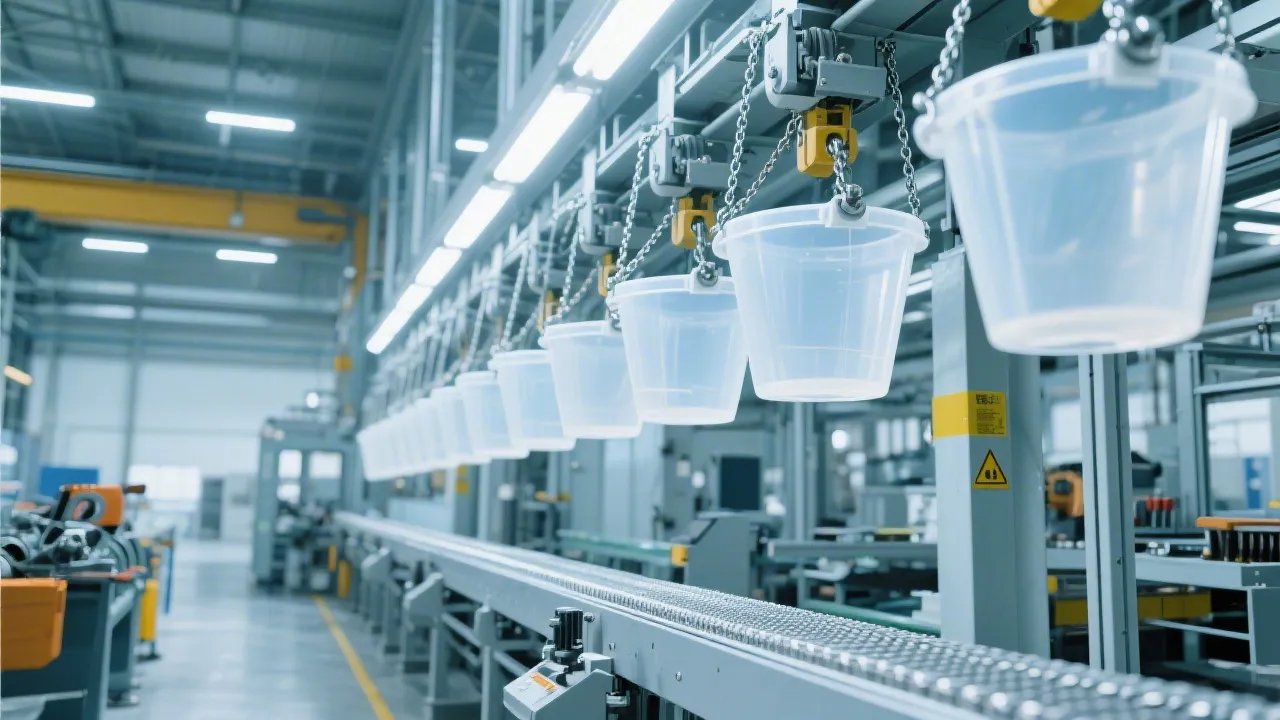
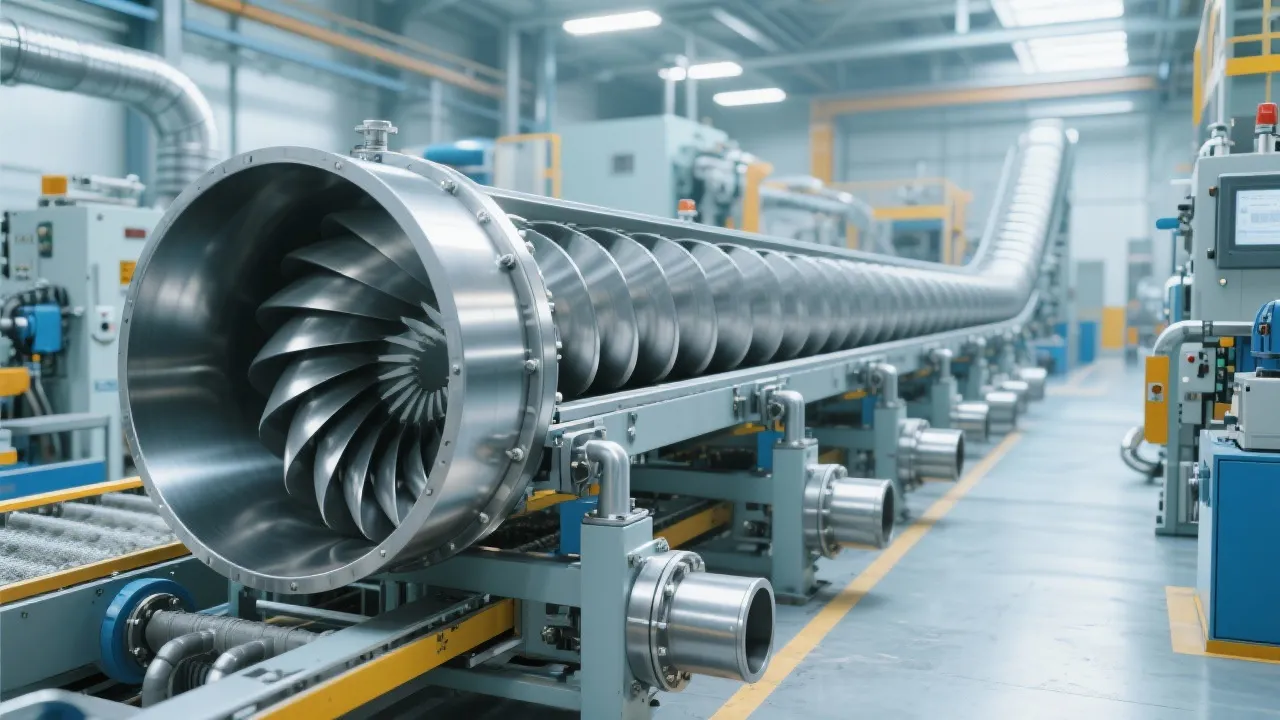
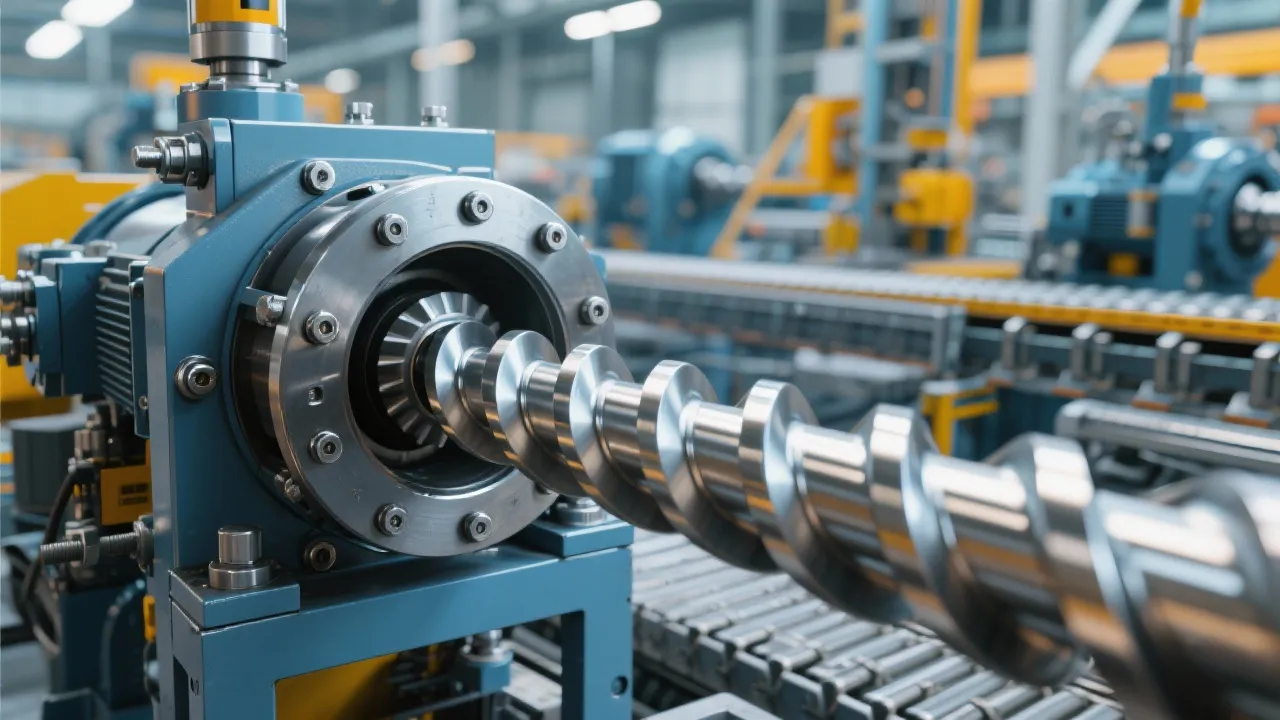
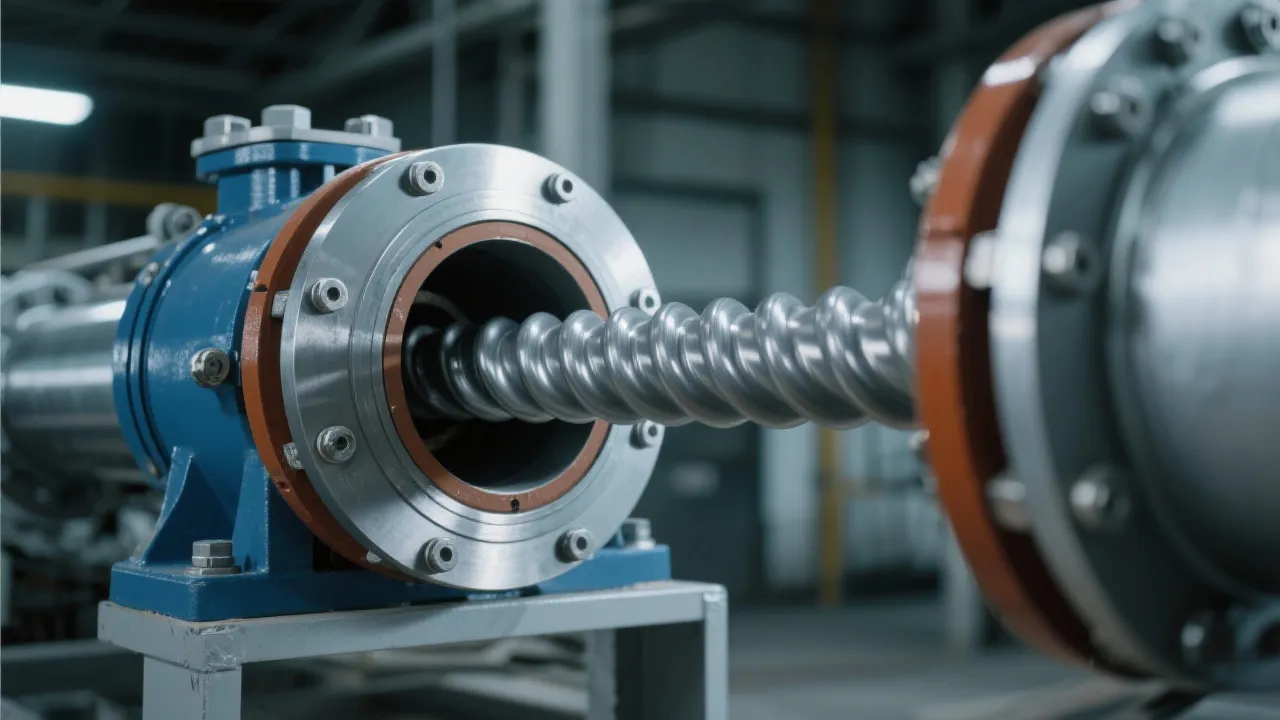
Vertical bucket elevators are the backbone of many material handling systems in food processing, cement manufacturing, and recycling industries. Understanding their working principle isn’t just academic—it’s essential for optimizing throughput, minimizing downtime, and ensuring long-term reliability.
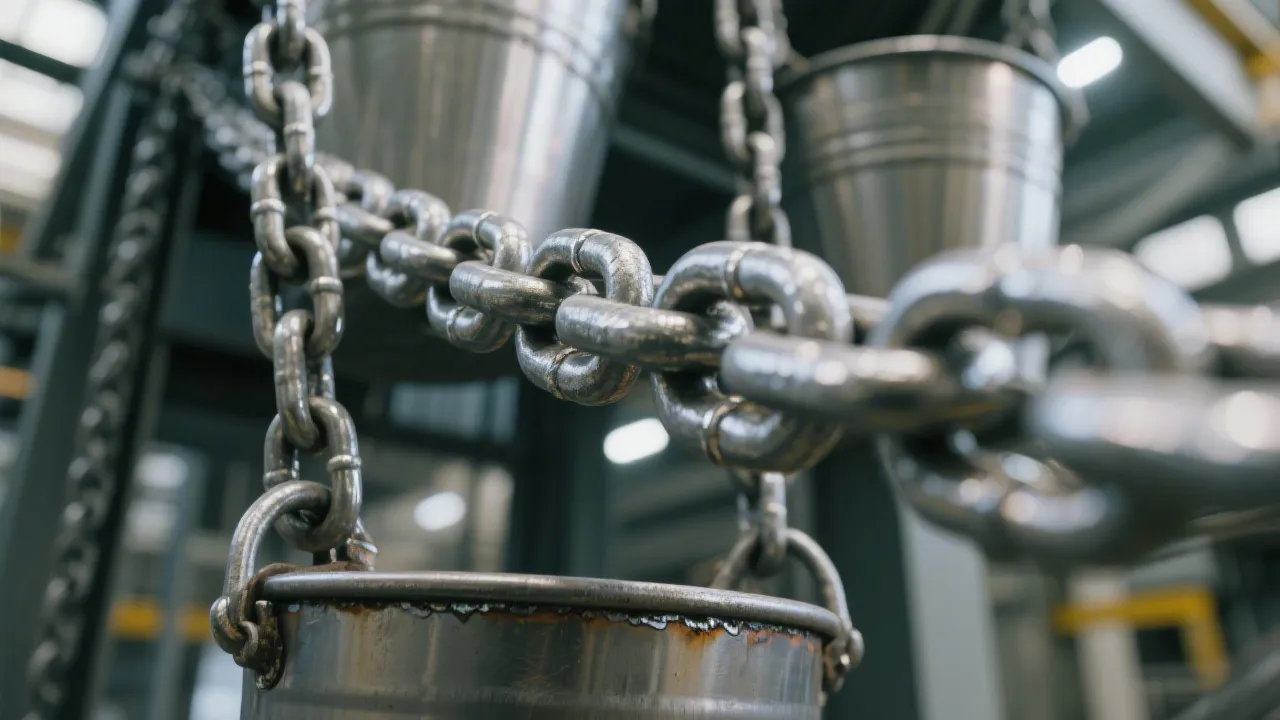
At its heart, a vertical bucket elevator uses a continuous chain or belt to lift material via a series of buckets attached at regular intervals. The system operates on three key components:
According to ISO 13748-1 standards, proper bucket spacing (typically 150–300 mm) and tension control reduce vibration by up to 40%, directly impacting operational efficiency and lifespan.
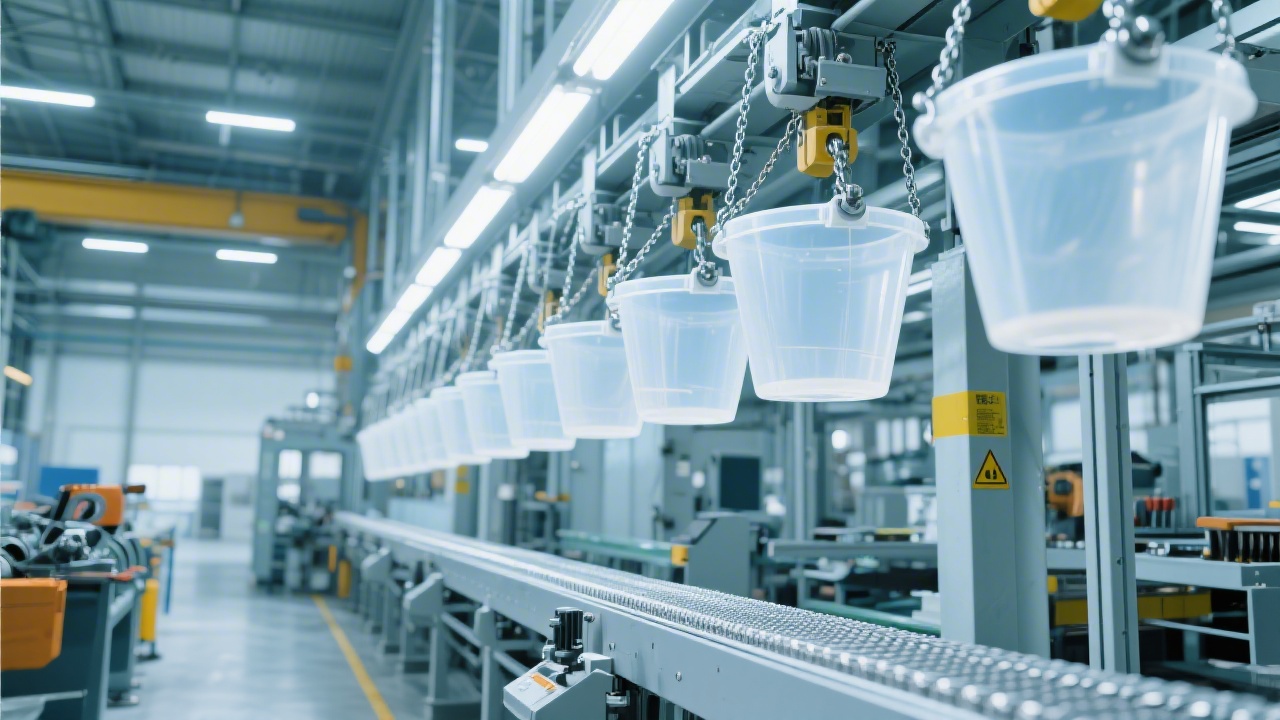
One of the most frequent issues reported by users is material falling out during ascent—a problem often caused by:
Industry best practices recommend using anti-slip bucket liners made from UHMWPE (Ultra-High Molecular Weight Polyethylene) and installing automatic tensioners that maintain consistent force—reducing maintenance calls by an average of 30% annually (based on data from 200+ installations across Europe and North America).
Not all materials behave the same way. For example:
| Material Type | Recommended Bucket Design | Typical Use Case |
|---|---|---|
| Granular (e.g., sand, pellets) | Deep, welded steel buckets | Construction, mining |
| Powdered (e.g., flour, cement) | Shallow, sealed buckets | Food, chemical processing |
Choosing the wrong configuration can lead to inefficiency, safety risks, or premature failure—costing up to $15k/year in unplanned repairs if not addressed early.
Regular inspection of chains, buckets, and drive units—not just monthly but weekly—is crucial. Simple checks like lubrication levels, bolt tightness, and visual signs of wear can prevent catastrophic failures. With proper care, a well-maintained vertical bucket elevator lasts 10–15 years, far beyond the industry average of 5–8 years.
Ready to optimize your material handling? Whether you're upgrading existing equipment or designing a new system, our engineers at Tianqi Machinery specialize in custom solutions tailored to your production needs—from small-scale operations to high-throughput industrial plants.
Get Your Customized Elevator Design Consultation Today


 440
|
440
|
 Customized mesh belt conveyor
Industrial material handling solutions
Non - standard equipment design
Conveyor inclination angle
System integration optimization
215
|
custom belt conveyor design
industrial material handling equipment
separable牵引链
high-angle conveyor
on-time delivery rate
179
|
heavy-duty screw conveyor
dust-free material handling
multi-point infeed and discharge
industrial screw conveyor solutions
flexible production line equipment
186
|
belt conveyor maintenance
heavy-duty belt conveyor maintenance
conveyor belt tension adjustment
conveyor fault prevention
long-term equipment operation
487
|
bucket elevator customization
lifting height for bucket elevator
conveying capacity bucket elevator
chain vs belt bucket elevator
industrial material handling equipment
Customized mesh belt conveyor
Industrial material handling solutions
Non - standard equipment design
Conveyor inclination angle
System integration optimization
215
|
custom belt conveyor design
industrial material handling equipment
separable牵引链
high-angle conveyor
on-time delivery rate
179
|
heavy-duty screw conveyor
dust-free material handling
multi-point infeed and discharge
industrial screw conveyor solutions
flexible production line equipment
186
|
belt conveyor maintenance
heavy-duty belt conveyor maintenance
conveyor belt tension adjustment
conveyor fault prevention
long-term equipment operation
487
|
bucket elevator customization
lifting height for bucket elevator
conveying capacity bucket elevator
chain vs belt bucket elevator
industrial material handling equipment