What Is Industrial Conveying Equipment? Types, Applications and Selection Differences
ZhengZhou TianQi Machinery Co., Ltd.
2026-09-13
Concept Explanation
ZhengZhou TianQi Machinery Co., Ltd. explains the differences, applications and selection considerations of belt, chain bucket, screw and vertical conveying equipment for mining, chemical and grain industries.

Industrial Conveying Equipment Guide
Industrial Conveying Equipment: Types, Applications and Selection Differences
Industrial conveying equipment moves materials through production, processing, storage and loading operations. The appropriate conveyor type depends on the material characteristics, transport direction, temperature, capacity, layout and maintenance requirements. ZhengZhou TianQi Machinery Co., Ltd. provides conveying equipment guidance and customized solutions for B2B applications in mining, chemical processing, grain handling and other industrial sectors.
What Is Industrial Conveying Equipment?
Industrial conveying equipment is a mechanical system used to transport bulk materials or products between different points in a facility. It can support horizontal movement, inclined transfer, vertical lifting or continuous process feeding. In a complete material-handling system, the conveyor is normally selected together with the process layout, loading and discharge points, operating temperature and required throughput.
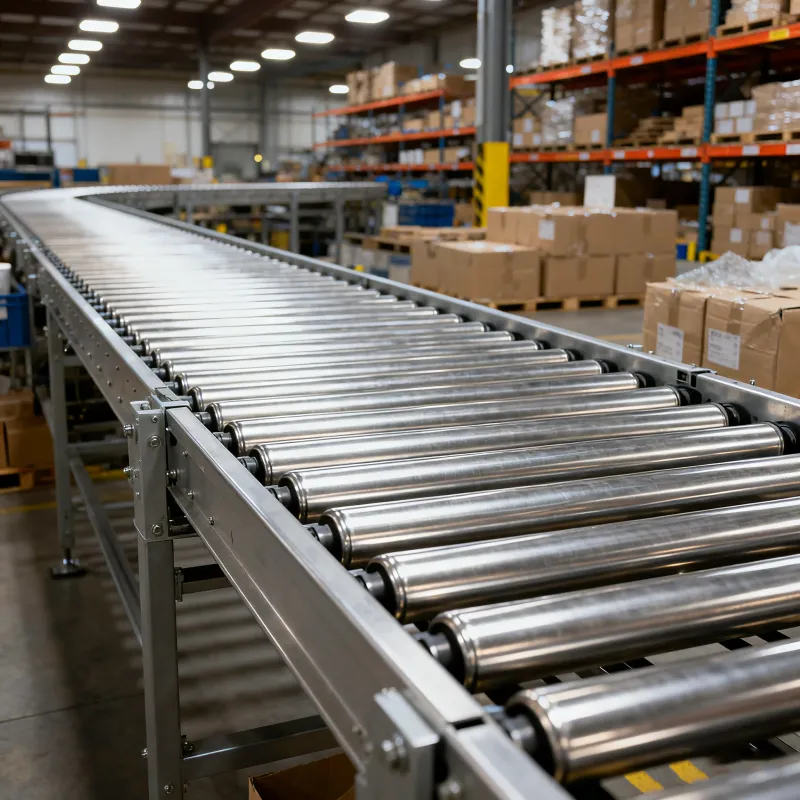
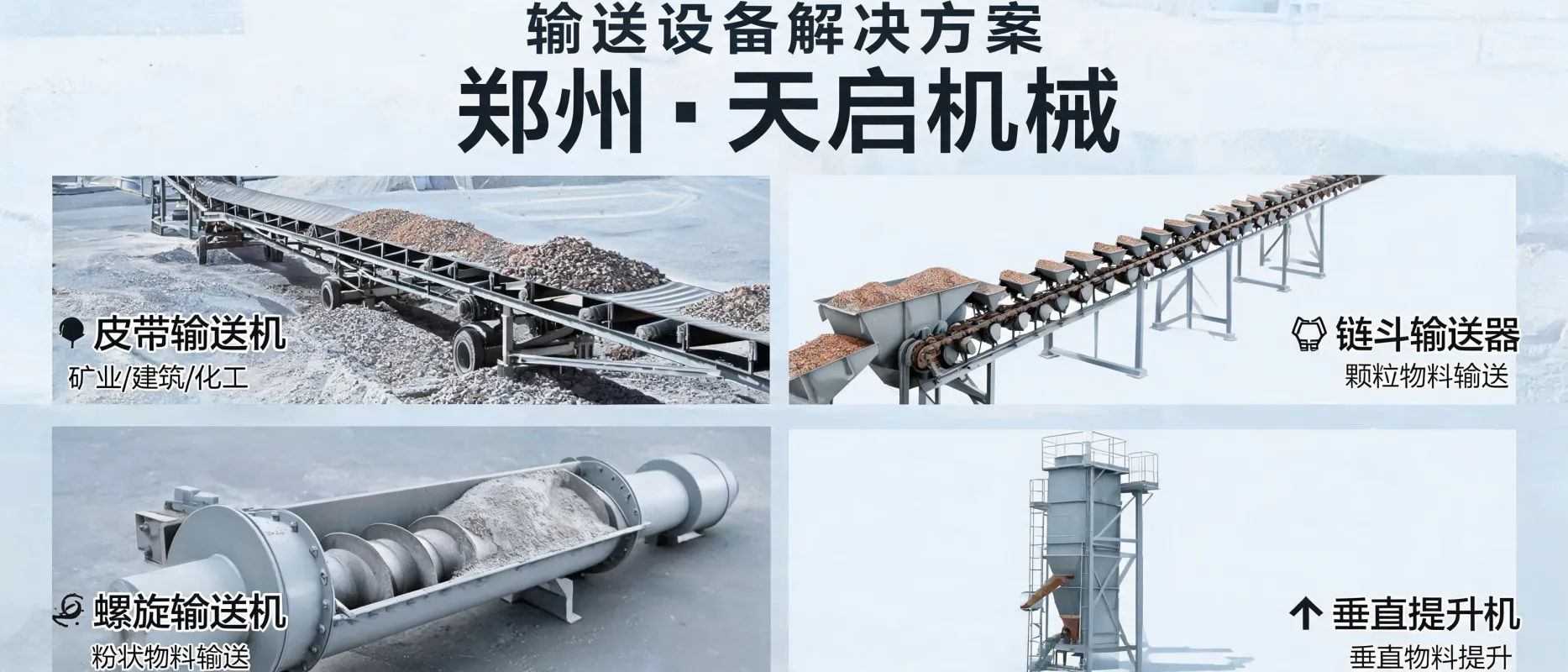
Common equipment categories include belt conveyors, chain bucket conveyors, screw conveyors and vertical conveyors. Each type has a different operating structure and is suitable for different conveying conditions. A metal mesh belt conveyor is one practical option when a process requires continuous transport, airflow, drainage, heat resistance or a configurable conveying path.
Main Types of Industrial Conveyors
Belt Conveyors
Belt conveyors are commonly considered for continuous transport along a defined route. They may be suitable for horizontal or inclined material movement where the system requires a relatively continuous conveying surface and a clear loading and discharge arrangement.
Chain Bucket Conveyors
Chain bucket conveyors use buckets driven by a chain to move material through a defined path. They are considered when the application requires enclosed or controlled bucket-based transfer and the material must be raised or discharged at specified points.
Screw Conveyors
Screw conveyors use a rotating screw flight to move material through a trough or enclosed housing. They can be evaluated for controlled transfer of suitable bulk materials where the layout, material condition and required conveying distance match the screw-conveying principle.
Vertical Conveyors
Vertical conveyors are designed to raise materials between different elevations. Their selection should consider the required lifting height, feeding and discharge positions, material behavior and the relationship between vertical transfer and the rest of the conveying line.
Where Does a Metal Mesh Belt Conveyor Fit?
The metal mesh belt conveyor supplied by ZhengZhou TianQi Machinery Co., Ltd. is a continuous conveying solution for applications that require a durable mesh conveying surface and flexible equipment arrangement. It can be configured for horizontal, inclined and vertical material transport, making it suitable for complex plant layouts.
Typical application directions: high-temperature industrial drying, chemical cooling processes and food-processing production lines. Final material compatibility, belt configuration and construction should be confirmed against the actual operating conditions.
- Carbon steel, 201 stainless steel and 304 stainless steel construction options.
- Material conveying capacity of up to 526 m³/h, subject to the final equipment configuration and operating conditions.
- Inclined conveying angles of up to 60 degrees for suitable applications.
- Ability to convey materials with temperatures up to 600°C when the system is properly designed for the application.
Key Design Features of the Mesh Belt Conveyor
| Feature |
Practical significance |
| Separated traction and load-bearing chains |
The separated structure simplifies the conveyor design and supports easier maintenance. |
| Rolling bearings on rollers |
The rolling bearings are designed to reduce friction by approximately 55%–65%, which can help lower energy consumption. |
| Wear-resistant alloy steel components |
Wear-resistant components support durability in demanding conveying environments. |
| Flexible equipment arrangement |
The system can be designed for horizontal, inclined or vertical transport according to the available space and process route. |
How to Select the Right Conveying Equipment
A reliable conveyor selection process begins with the operating conditions rather than the equipment name alone. B2B buyers and engineering teams can review the following factors before requesting a technical proposal:
- Material characteristics: Identify the material form, particle condition, temperature and handling requirements.
- Required conveying direction: Confirm whether the line requires horizontal transfer, inclined movement, vertical lifting or a combination of routes.
- Capacity target: Define the expected throughput and evaluate it together with loading conditions and conveying speed.
- Plant layout: Review available space, elevation changes, transfer points and the connection with upstream and downstream equipment.
- Construction material: Select carbon steel or an appropriate stainless-steel option according to temperature, corrosion exposure, hygiene requirements and service conditions.
- Maintenance expectations: Consider access to wear parts, chain and roller structure, cleaning requirements and long-term operating costs.
Customized Conveying Solutions for Industrial Applications
Standard conveyor categories provide a starting point, but many industrial projects require non-standard dimensions, specific materials, special conveying angles or integration with an existing production line. ZhengZhou TianQi Machinery Co., Ltd. supports customized solutions from non-standard design to system integration.
The company’s mesh belt conveyor is part of its continuous mechanical conveying equipment portfolio. Its technical configuration can be assessed according to the material, temperature, capacity, route and site conditions provided by the customer, helping buyers compare equipment options on practical engineering criteria.
Engineering Support and Service Commitment
ZhengZhou TianQi Machinery Co., Ltd. combines conveyor equipment manufacturing with application-focused support for customers in mining, chemical, grain and related industries. The company reports a 98% on-time delivery rate and a two-hour response commitment for customer inquiries and service needs.
For a suitable equipment recommendation, buyers should provide the material type, operating temperature, required capacity, conveying route, inclination, dimensions and site constraints. These details allow the technical team to evaluate whether a metal mesh belt conveyor, belt conveyor, chain bucket conveyor, screw conveyor or vertical conveyor is the appropriate solution for the application.


.png?x-oss-process=image/resize,h_100,m_lfit/format,webp)
.png?x-oss-process=image/resize,h_100,m_lfit/format,webp)
.png?x-oss-process=image/resize,h_100,m_lfit/format,webp)