.png?x-oss-process=image/resize,h_100,m_lfit/format,webp)
.png?x-oss-process=image/resize,h_100,m_lfit/format,webp)
.png?x-oss-process=image/resize,h_100,m_lfit/format,webp)

ZhengZhou TianQi Machinery Co., Ltd.
A well-prepared inquiry helps buyers move faster from initial selection to a workable conveyor solution. For projects in mining, chemicals, grain handling, and other industrial applications, ZhengZhou TianQi Machinery recommends defining the process conditions, technical boundaries, and site requirements before requesting a quotation or customization plan.
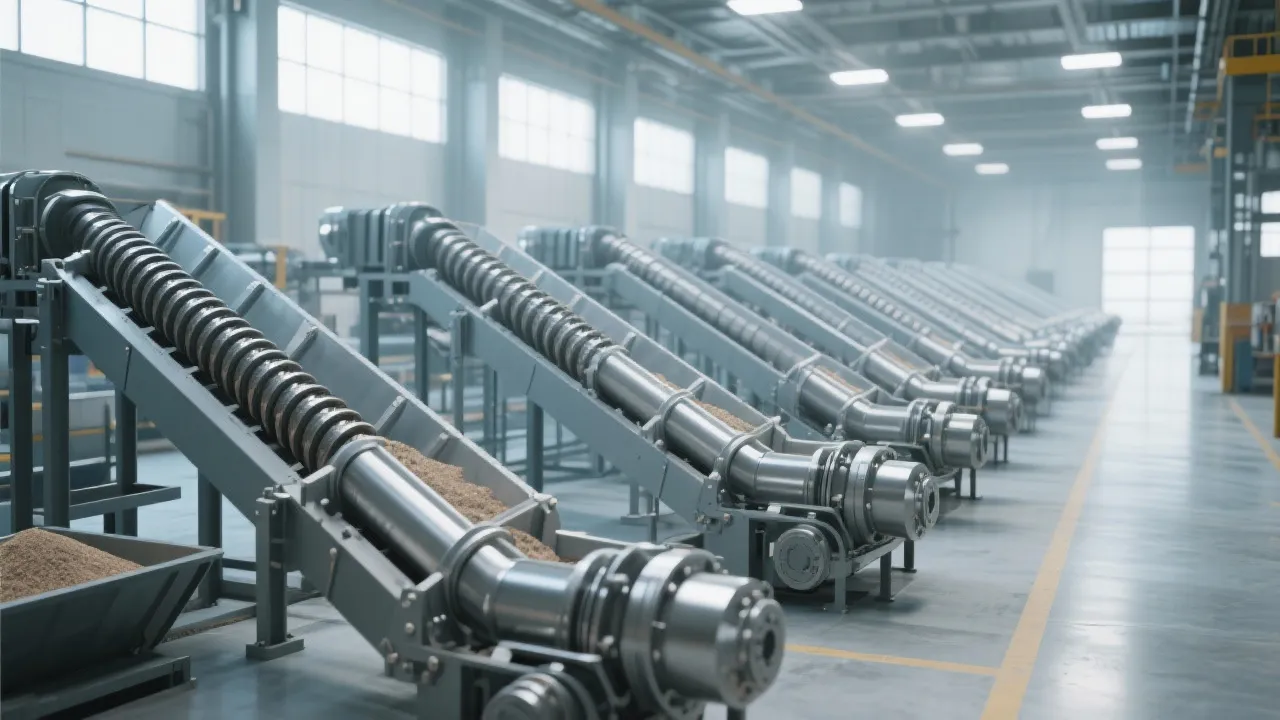
Conveyor equipment is not a one-size-fits-all product. Belt conveyors, chain bucket conveyors, screw conveyors, and vertical elevators each perform differently depending on material behavior, conveying distance, elevation change, installation space, and operating conditions.
When these details are clear in advance, the communication between the buyer and the engineering team becomes more efficient, and the proposed solution is easier to match with real project needs.
Prepare a brief description of the material to be conveyed, including key handling risks such as dust, wear, or adhesion.
Clarify how much material must be moved, where it enters the system, where it exits, and how the conveyor fits into the full production flow.
Share floor space, height limits, installation constraints, and any surrounding equipment that may affect the layout.
Confirm voltage, frequency, and control preferences early, especially when the equipment will be used in different regions or exported abroad.
Technical evaluation: Review the application conditions and recommend a suitable conveyor type based on material behavior and site layout.
Custom solution support: Adjust structure, dimensions, discharge form, and power configuration to fit specific project requirements.
Project communication: Help buyers organize the information needed for inquiry, planning, manufacturing, and installation coordination.
As a B2B machinery company focused on conveying equipment, ZhengZhou TianQi Machinery combines product engineering experience with export-oriented service practices. The goal is to support practical, reliable equipment selection rather than offering a generic specification list.
Clear project information is the foundation of a suitable conveyor proposal. When material properties, capacity, layout, environment, and standards are defined in advance, the selection process becomes more focused, and the final solution is easier to implement with confidence.


 289
|
289
|
 SaaS外贸智能营销管理平台
外贸获客
CRM
海关数据
TianQi Machinery
448
|
non powered roller conveyor
curve conveyor design
roller conveyor system
industrial automation conveyor
modular conveyor solutions
314
|
ZhengZhou TianQi Machinery
foreign trade growth
customer asset accumulation
lead management
team collaboration
185
|
ZhengZhou TianQi Machinery Co., Ltd.
foreign trade intelligent marketing management platform
CRM
customs data
foreign trade lead generation
451
|
vertical bucket elevator
bucket elevator working principle
chain conveyor system
belt lift technology
industrial material handling
SaaS外贸智能营销管理平台
外贸获客
CRM
海关数据
TianQi Machinery
448
|
non powered roller conveyor
curve conveyor design
roller conveyor system
industrial automation conveyor
modular conveyor solutions
314
|
ZhengZhou TianQi Machinery
foreign trade growth
customer asset accumulation
lead management
team collaboration
185
|
ZhengZhou TianQi Machinery Co., Ltd.
foreign trade intelligent marketing management platform
CRM
customs data
foreign trade lead generation
451
|
vertical bucket elevator
bucket elevator working principle
chain conveyor system
belt lift technology
industrial material handling