.png?x-oss-process=image/resize,h_100,m_lfit/format,webp)
.png?x-oss-process=image/resize,h_100,m_lfit/format,webp)
.png?x-oss-process=image/resize,h_100,m_lfit/format,webp)
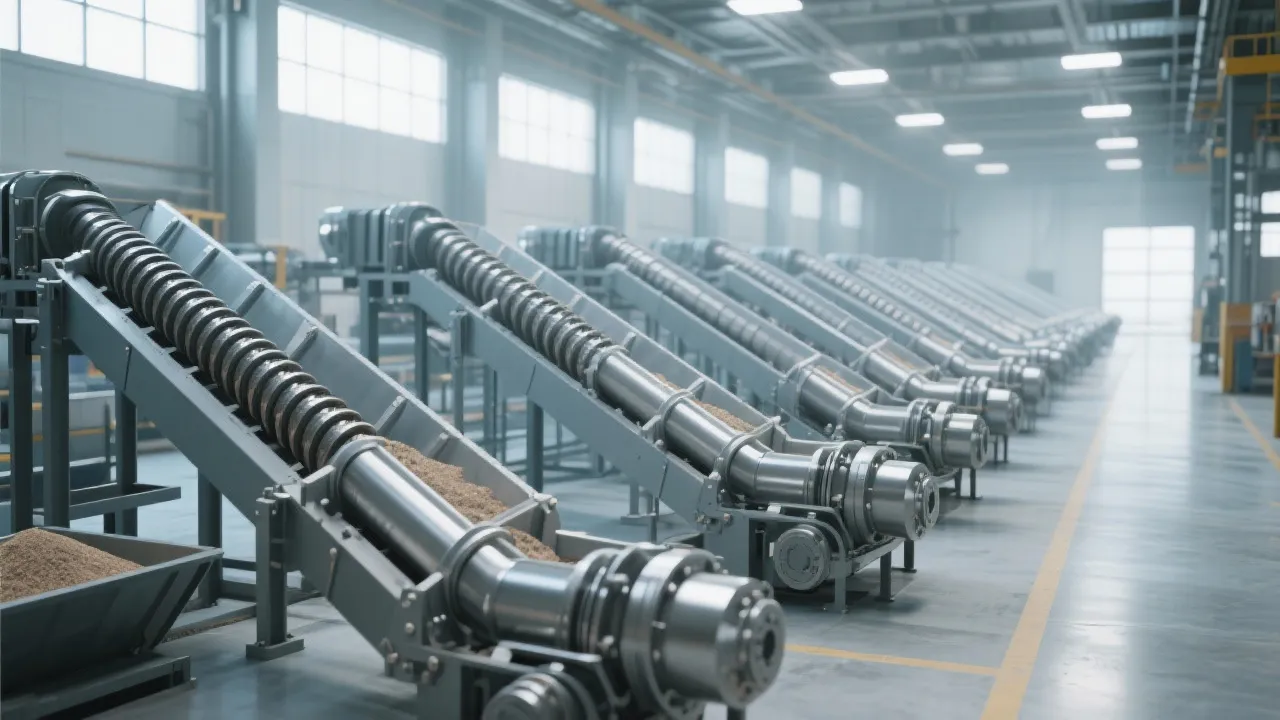
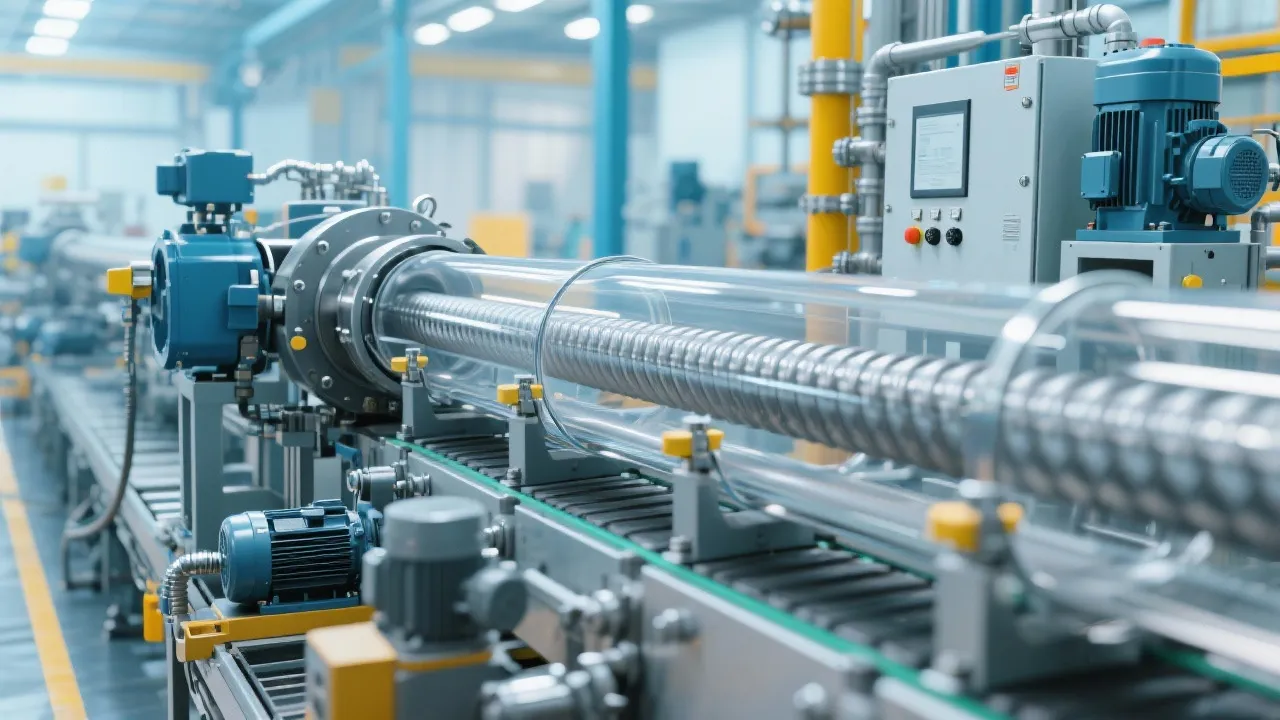
Modern manufacturing facilities often face spatial constraints, multi-level workflows, and intricate process sequences—challenges that demand smart material handling solutions. Among them, chain plate conveyors stand out for their flexibility, durability, and adaptability across industries like food & beverage, metallurgy, and chemical processing.
In linear production setups—such as bottling lines or assembly stations—horizontal chain plate conveyors offer unmatched stability and consistent throughput. According to industry benchmarks, properly installed horizontal systems achieve a 98% on-time delivery rate in high-volume environments. Key technical parameters include:
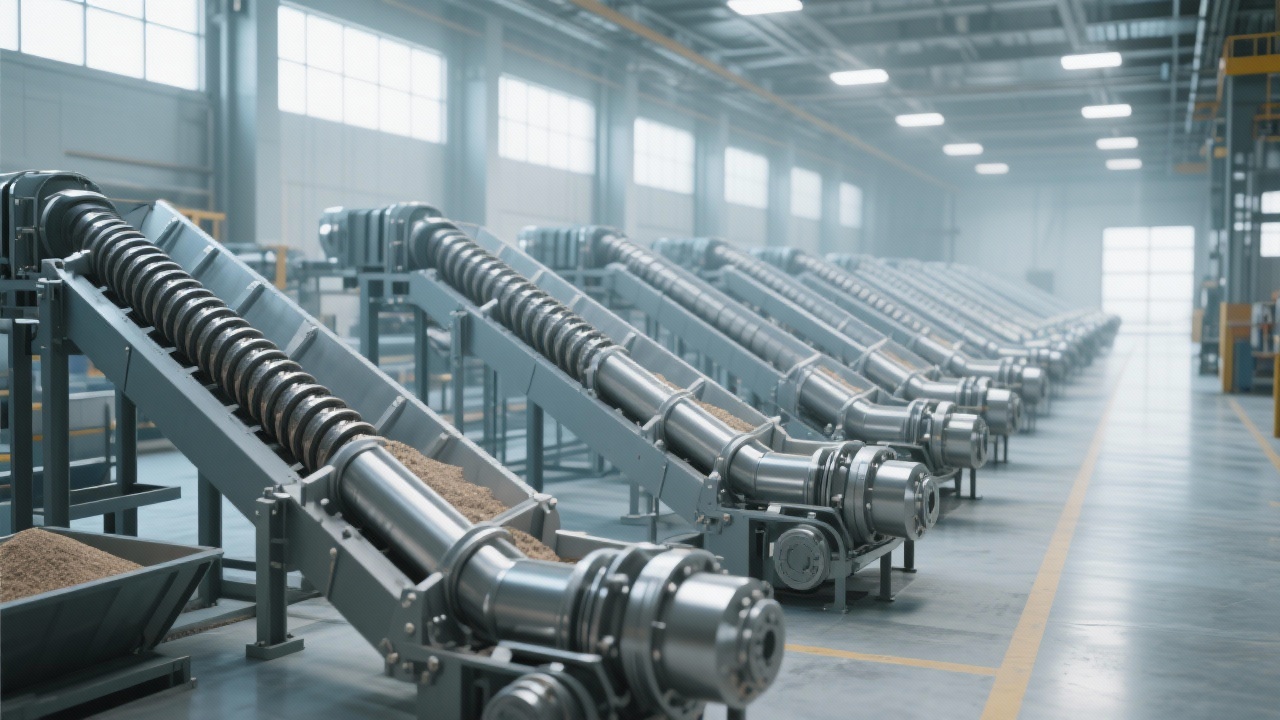
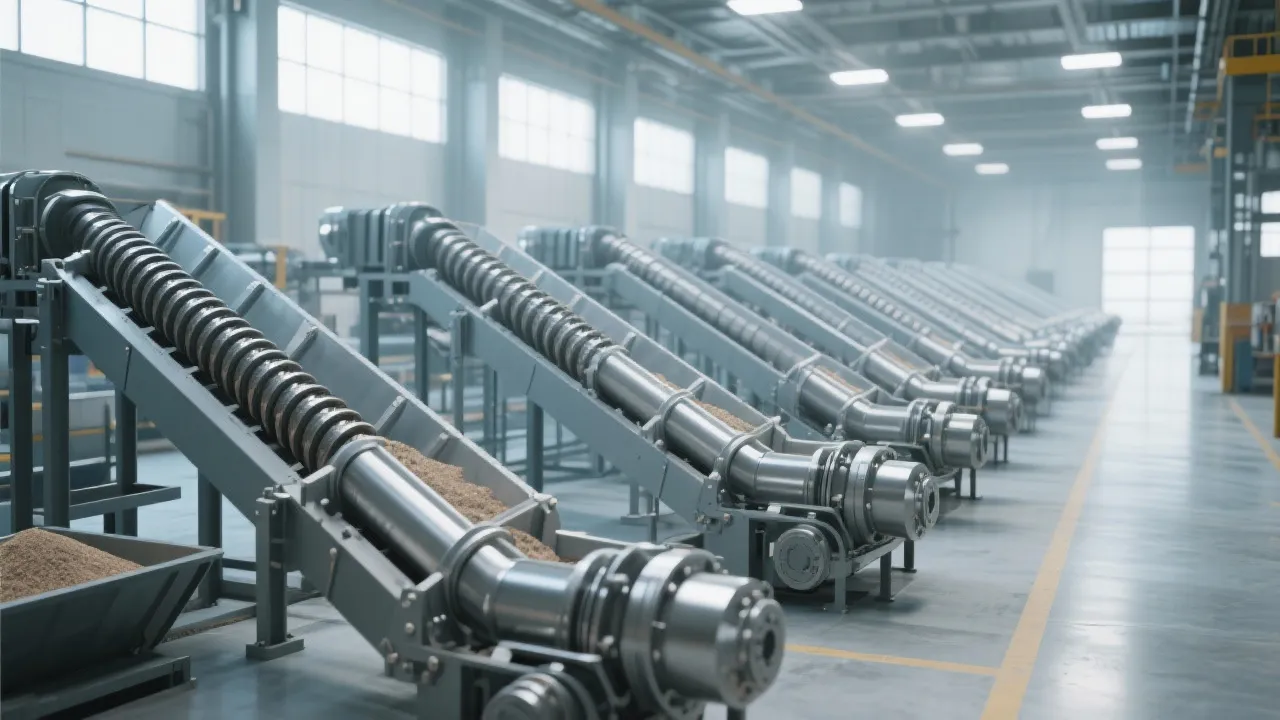
When moving materials between floors or levels—common in fermentation tank zones or metal refining units—incline conveyors become essential. However, improper design can lead to slippage, wear, or downtime. Best practices include:
Pro Tip: For loads over 50 kg per tray, limit incline angles to ≤15° and use anti-slip chain attachments to maintain traction.
Load calculations must account for both static weight and dynamic forces during acceleration/deceleration. A well-engineered system reduces energy consumption by up to 18%, according to ISO 5048 standards.
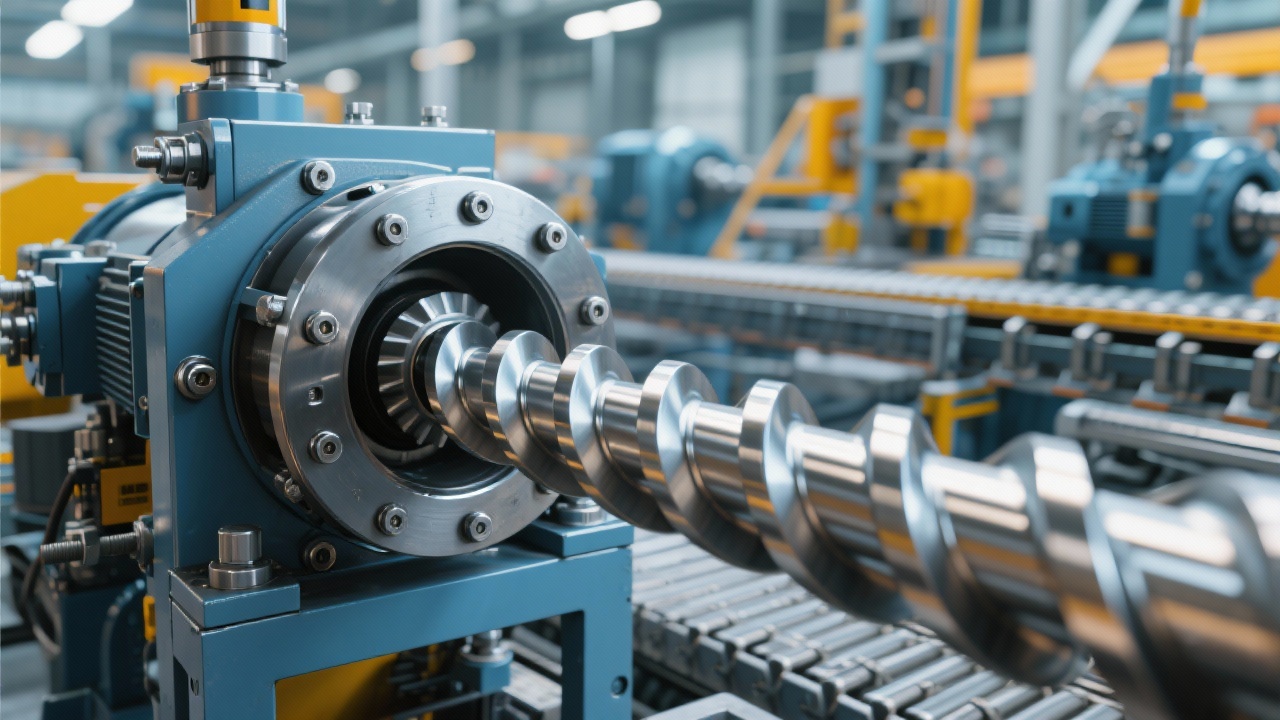
Where obstacles like pillars, machinery, or ductwork block straight paths, curved chain plate segments provide elegant resolution. The critical factor? Bend radius vs. chain tension. A minimum radius of 1.5x the conveyor width prevents excessive stress on links and ensures long-term reliability.
For example, in a meat processing line where space is limited, a 90° curve segment allowed a 30% reduction in floor footprint while maintaining 95% throughput efficiency—proving that smart routing beats brute-force expansion.
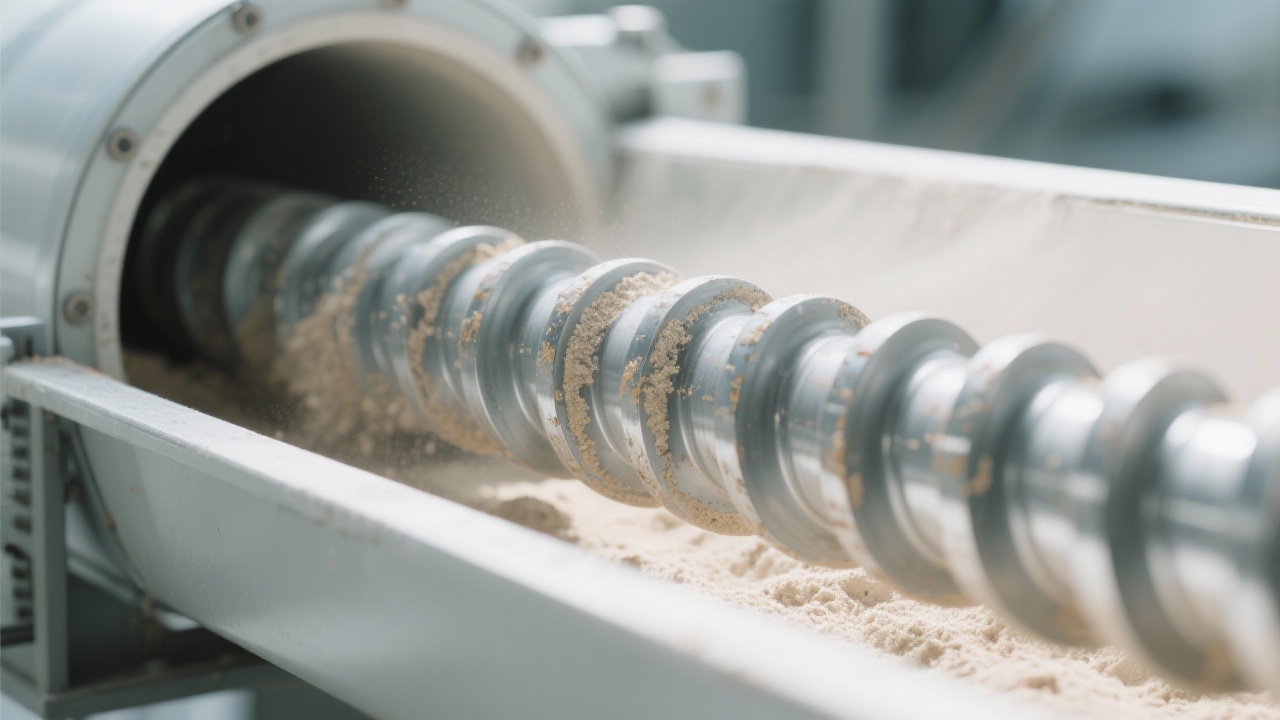
Whether optimizing an existing line or designing a new one, selecting the right configuration hinges on understanding your unique workflow—not just generic specs. From vertical lifts to tight turns, chain plate conveyors remain the backbone of modern industrial logistics.
Ready to optimize your own production line? Schedule a free consultation with our engineering team today — get a customized conveyor plan tailored to your space, load, and operational goals.



 243
|
243
|
 heavy-duty screw conveyor
dust-free material handling
screw conveyor selection guide
industrial conveying solutions
sealed screw conveyor
73
|
Heavy-duty screw conveyor
Dust-free conveying
Screw rotor design
Powder material conveying
Multi-point feeding and discharging
231
|
Heavy-duty screw conveyor
Multi-point feeding and discharging
Dust-free conveying
Selection guide
Sealed operation technology
368
|
heavy-duty screw conveyor
multi-point feeding and discharging
dust-free material handling
screw conveyor design
industrial conveyor systems
74
|
washable chain plate conveyor
food industry conveyor cleaning
CIP compliant conveyor systems
stainless steel conveyor design
modular conveyor拆装 design
heavy-duty screw conveyor
dust-free material handling
screw conveyor selection guide
industrial conveying solutions
sealed screw conveyor
73
|
Heavy-duty screw conveyor
Dust-free conveying
Screw rotor design
Powder material conveying
Multi-point feeding and discharging
231
|
Heavy-duty screw conveyor
Multi-point feeding and discharging
Dust-free conveying
Selection guide
Sealed operation technology
368
|
heavy-duty screw conveyor
multi-point feeding and discharging
dust-free material handling
screw conveyor design
industrial conveyor systems
74
|
washable chain plate conveyor
food industry conveyor cleaning
CIP compliant conveyor systems
stainless steel conveyor design
modular conveyor拆装 design