.png?x-oss-process=image/resize,h_100,m_lfit/format,webp)
.png?x-oss-process=image/resize,h_100,m_lfit/format,webp)
.png?x-oss-process=image/resize,h_100,m_lfit/format,webp)
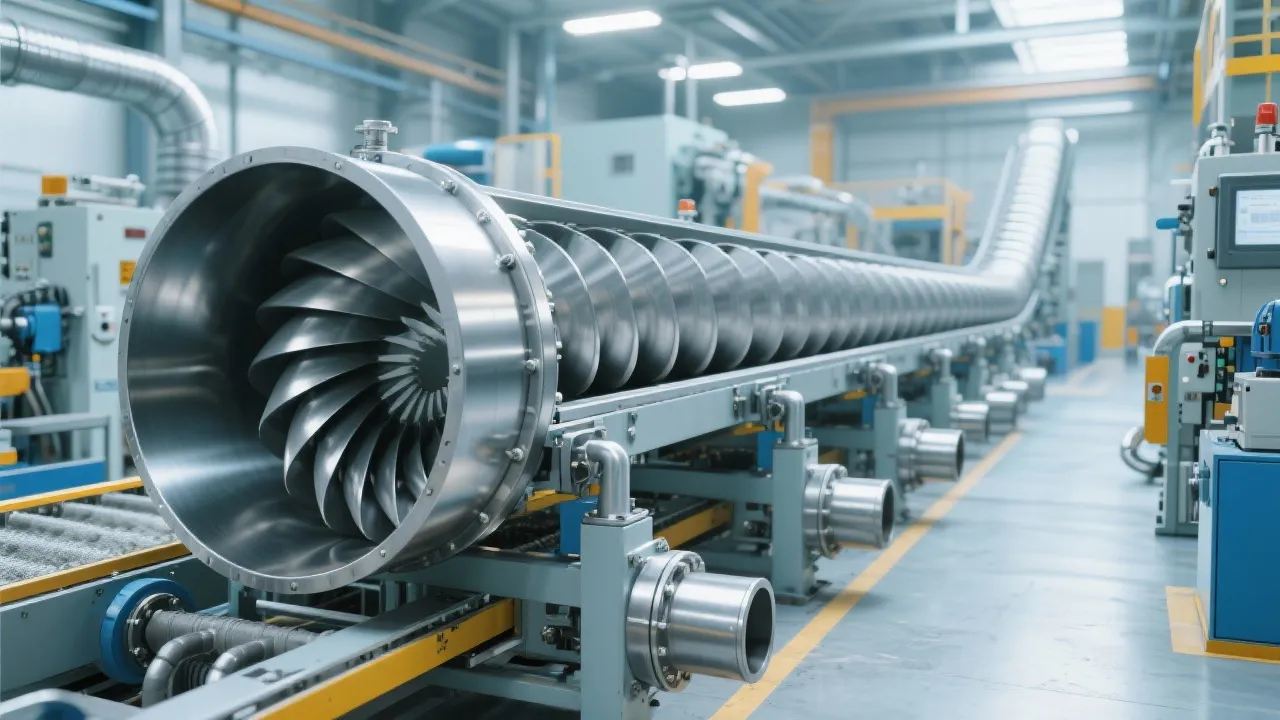
In high-throughput manufacturing environments—especially in food processing, automotive assembly, and metal fabrication—chain conveyor systems must perform consistently under extreme conditions. A single failure can halt production lines costing up to $50,000 per hour in downtime (based on average industrial losses). That’s why郑州天启机械有限公司 (Zhengzhou Tianqi Machinery Co., Ltd.) invests heavily in pre-delivery testing protocols that go far beyond standard factory checks.
Before any chain conveyor leaves the workshop, it undergoes a rigorous four-stage validation process:
“We’ve seen customers install conveyors without proper vibration testing—and within six months, they’re replacing entire chains due to micro-fractures we caught during lab trials.” — Zhang Wei, Lead Engineer at Tianqi Machinery
Real-world performance often diverges from lab results when installation isn’t optimized. For example, one client in Saudi Arabia reported excessive chain slippage after installing a unit without following our recommended base anchoring method. After reinstallation using our fixed-frame guide, their uptime improved by 27% in just three months.
Even the best-designed system fails if installed incorrectly. Here are three common pitfalls—and how to avoid them:
You may have experienced chain jumping or inconsistent speed. These aren’t just “nuisances”—they’re early warnings of deeper issues. If your current system lacks regular calibration, now is the time to act.
This printable PDF includes daily, weekly, and monthly inspection tasks tailored to chain conveyor systems. It’s used by over 3,000 engineers worldwide—including those at Fortune 500 manufacturers.
Get Your Free Maintenance Guide NowTianqi Machinery’s commitment to quality isn’t just about passing tests—it’s about delivering peace of mind. With a 98% on-time delivery rate and a documented 2-hour technical response window, we don’t just sell equipment—we build long-term partnerships.


 215
|
215
|
 custom belt conveyor design
industrial material handling equipment
separable牵引链
high-angle conveyor
on-time delivery rate
268
|
Belt conveyor slippage failure treatment
Heavy belt tension adjustment
Conveyor belt maintenance guide
Heavy - load conveying system operation optimization
Belt tensioning technology practice
91
|
separate chain conveyor design
industrial belt conveyor
wear-resistant alloy steel
high-capacity material handling
customized conveyor system
208
|
Heavy - duty screw conveyor
Dust - free conveying
Efficient material transportation
Sealed operation technology
Multi - point feeding and discharging
368
|
heavy-duty screw conveyor
multi-point feeding and discharging
dust-free material handling
screw conveyor design
industrial conveyor systems
custom belt conveyor design
industrial material handling equipment
separable牵引链
high-angle conveyor
on-time delivery rate
268
|
Belt conveyor slippage failure treatment
Heavy belt tension adjustment
Conveyor belt maintenance guide
Heavy - load conveying system operation optimization
Belt tensioning technology practice
91
|
separate chain conveyor design
industrial belt conveyor
wear-resistant alloy steel
high-capacity material handling
customized conveyor system
208
|
Heavy - duty screw conveyor
Dust - free conveying
Efficient material transportation
Sealed operation technology
Multi - point feeding and discharging
368
|
heavy-duty screw conveyor
multi-point feeding and discharging
dust-free material handling
screw conveyor design
industrial conveyor systems