.png?x-oss-process=image/resize,h_100,m_lfit/format,webp)
.png?x-oss-process=image/resize,h_100,m_lfit/format,webp)
.png?x-oss-process=image/resize,h_100,m_lfit/format,webp)
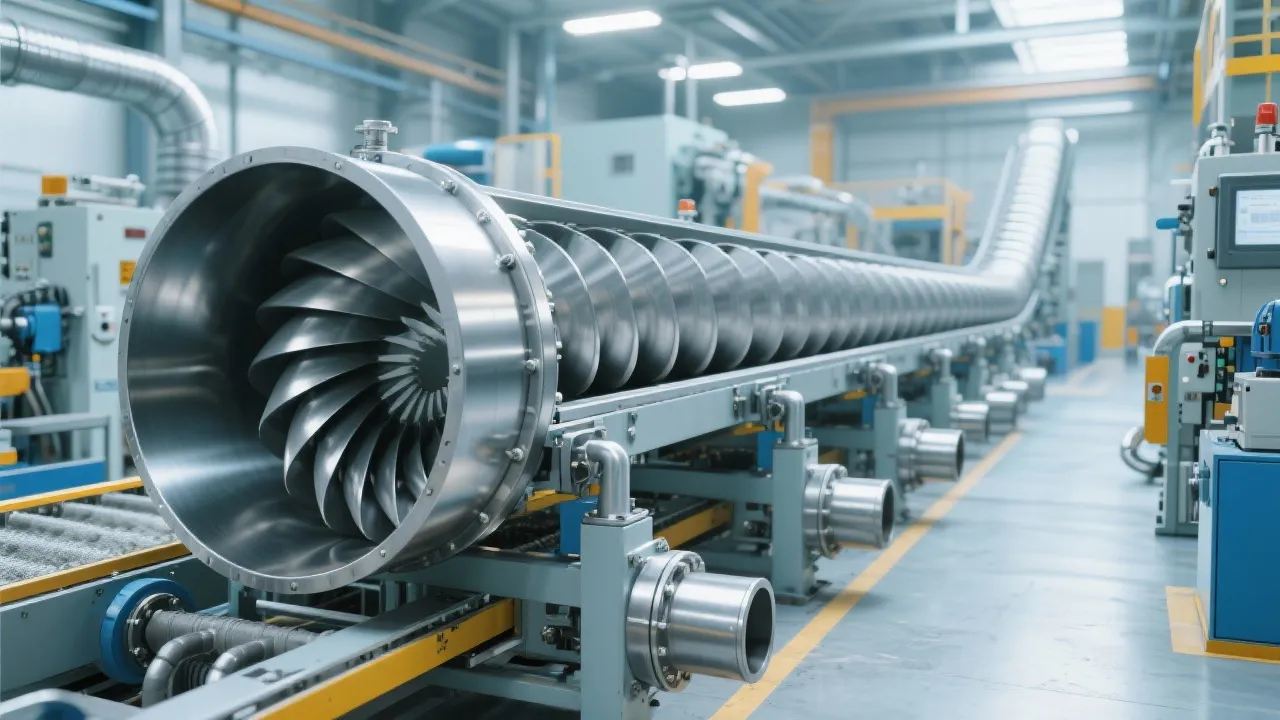
Optimizing material flow in intricate production environments hinges on selecting the right chain plate conveyor configuration — horizontal, inclined, or curved. Each arrangement offers distinct technical advantages tailored to specific process demands and spatial constraints. This article provides a detailed comparative analysis on key performance parameters, installation considerations, and maintenance strategies that empower manufacturing leaders to enhance logistical efficiency and production line adaptability.
The horizontal chain plate conveyor remains the most straightforward and stable option, ideally suited for linear assembly lines and sorting zones. Its design emphasizes uniform load distribution, which minimizes operational vibrations and reduces wear on drive components. Optimal installation requires precise leveling within ±0.5% grade tolerance to prevent material drift or accumulation.
Key technical parameters include a typical chain pitch ranging from 50mm to 100mm and rated load capacities reaching up to 500 kg/meter depending on chain thickness and plate type. Systems equipped with modular link plates allow flexibility in accommodating various product sizes without sacrificing continuity.
Inclined conveyors solve the challenge of conveying materials between different floor levels or elevations within compact footprints, commonly encountered in multi-level fermentation or metal sorting facilities. Typical incline angles range from 0° to 25°, with an operational limit near 30° beyond which slip and material rollback become significant concerns.
Load capacity on inclined conveyors tends to be reduced by 10-15% compared to horizontal units due to gravitational forces. Chain flight designs augmented with cleats or raised sidewalls can assist in maintaining material stability on slopes. Additionally, drive systems often require torque and speed adjustments to compensate for increased load demands at higher inclines.
Curved chain plate conveyors are indispensable in navigating around obstacles, optimizing facility footprints, and establishing continuous material flows without manual transfers. The primary technical challenge lies in managing the turning radius, which typically ranges from 500mm to 1500mm depending on the conveyor width and pitch.
Synchronized drive systems and precise chain guidance mechanisms reduce the risk of chain misalignment and wear. Manufacturers should prioritize models with adjustable guide rails and tensioners to accommodate thermal expansion and mechanical stresses during operation.
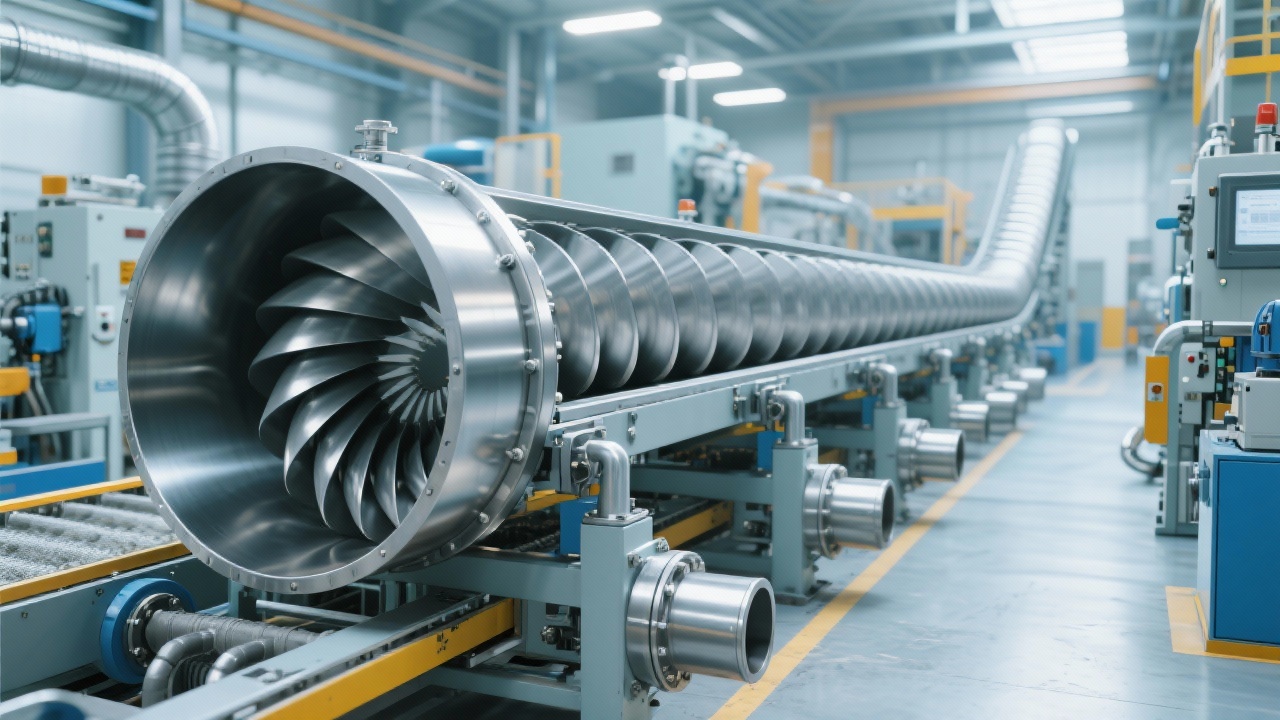
In the metallurgical sorting section, horizontal chain conveyors form the backbone for high-throughput material handling, providing stability for heavy and irregularly shaped items. Inclined sections accommodate vertical transitions to downstream packaging lines with added chain cleats to prevent slip under dusty conditions.
By contrast, a brewing fermentation workshop often employs curved conveyors to snake around fixed fermentation tanks, maximizing floor utilization. Inclined segments bridge mezzanine levels, ensuring smooth product transfer while adhering to sanitary standards enhanced by frequent cleaning cycles.
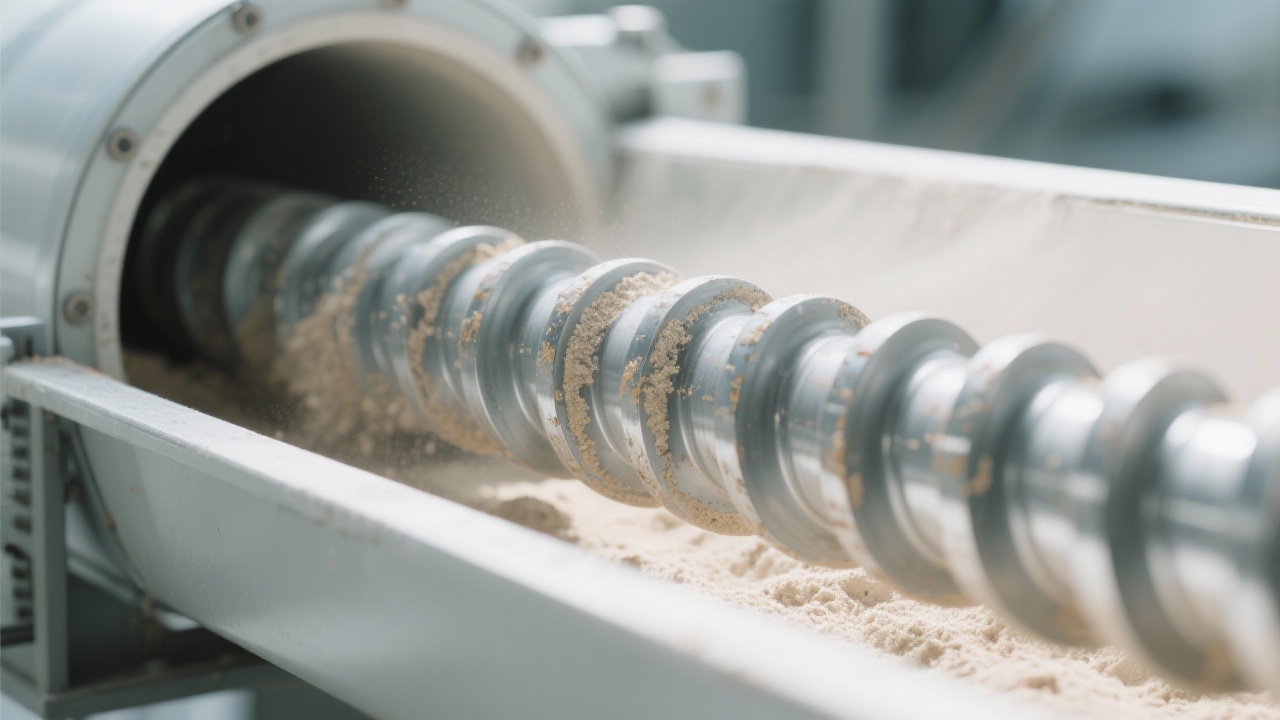
"Ignoring load balance and cleaning access during conveyor selection often leads to frequent jamming and hygiene compliance failures, inflating downtime and maintenance costs."
Frequent errors include underestimating dynamic load fluctuations—which can exceed nominal weights by 20% during peak production—and overlooking material flow consistency. Neglecting cleaning accessibility compromises sanitary protocols, especially in food or pharmaceutical applications.
A methodical selection process begins with a thorough analysis of product characteristics, process requirements, and facility constraints. On-site measurements follow, capturing gradients, space availabilities, and obstruction locations. The final step involves collaborating with engineering teams to design a custom conveyor layout that balances performance with maintainability.
Maintaining appropriate chain tension within ±5% of manufacturer specifications prevents slippage and uneven wear. Regular lubrication intervals—ranging from 200 to 500 operational hours depending on environment—ensure reduced friction and extend chain life.
In wet or water-wash environments, corrosion-resistant chains and sealed bearings deliver enhanced durability. Operators should implement periodic inspections of guide rails, sprockets, and overlap joints to identify early signs of material degradation.


 204
|
204
|
 bucket elevator working principle
bucket elevator selection
chain bucket elevator vs belt bucket elevator
vertical conveying solutions for powder materials
mining industry conveyor equipment
70
|
custom mesh belt conveyor
paper industry conveyor equipment
inclined conveyor solution
material handling challenges
industrial conveyor integration
480
|
Heavy-duty screw conveyor selection
Powder material conveying
Granular material conveying
Small块状 material conveying
Dust-free screw conveyor
417
|
bucket elevator maintenance
bucket elevator troubleshooting
belt misalignment correction
chain bucket elevator lubrication
reduced conveying capacity causes
339
|
heavy belt conveyor maintenance
belt tension adjustment
conveyor preventive maintenance
heavy-duty conveyor systems
belt conveyor lifespan extension
bucket elevator working principle
bucket elevator selection
chain bucket elevator vs belt bucket elevator
vertical conveying solutions for powder materials
mining industry conveyor equipment
70
|
custom mesh belt conveyor
paper industry conveyor equipment
inclined conveyor solution
material handling challenges
industrial conveyor integration
480
|
Heavy-duty screw conveyor selection
Powder material conveying
Granular material conveying
Small块状 material conveying
Dust-free screw conveyor
417
|
bucket elevator maintenance
bucket elevator troubleshooting
belt misalignment correction
chain bucket elevator lubrication
reduced conveying capacity causes
339
|
heavy belt conveyor maintenance
belt tension adjustment
conveyor preventive maintenance
heavy-duty conveyor systems
belt conveyor lifespan extension