.png?x-oss-process=image/resize,h_100,m_lfit/format,webp)
.png?x-oss-process=image/resize,h_100,m_lfit/format,webp)
.png?x-oss-process=image/resize,h_100,m_lfit/format,webp)
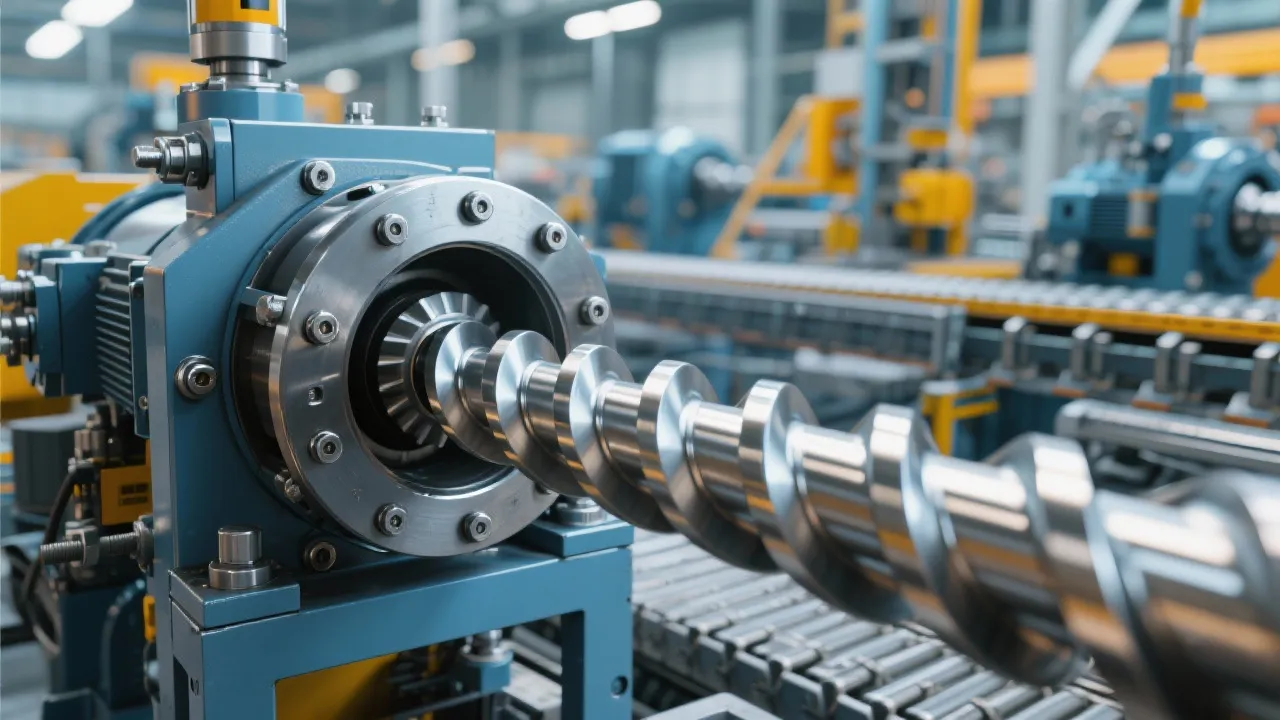
In industrial material handling, chain conveyor systems must endure continuous operation under high stress—especially in heavy-duty environments like automotive assembly lines or steel mills. But how do you know if your equipment will truly last? The answer lies in a rigorous vibration fatigue test—a scientifically validated method used by leading manufacturers to simulate years of real-world wear in just weeks.
Unlike static load tests, vibration fatigue mimics the dynamic forces that occur during actual operation—such as motor start-stop cycles, uneven loading, and thermal expansion. According to ISO 10816-5 standards, over 70% of mechanical failures in conveyor systems originate from undetected fatigue cracks. Our lab at Tianqi Engineering conducts 20,000+ cycles per test (equivalent to 3–5 years of field use) using programmable shakers and strain gauges to detect early-stage structural weaknesses before they become costly breakdowns.
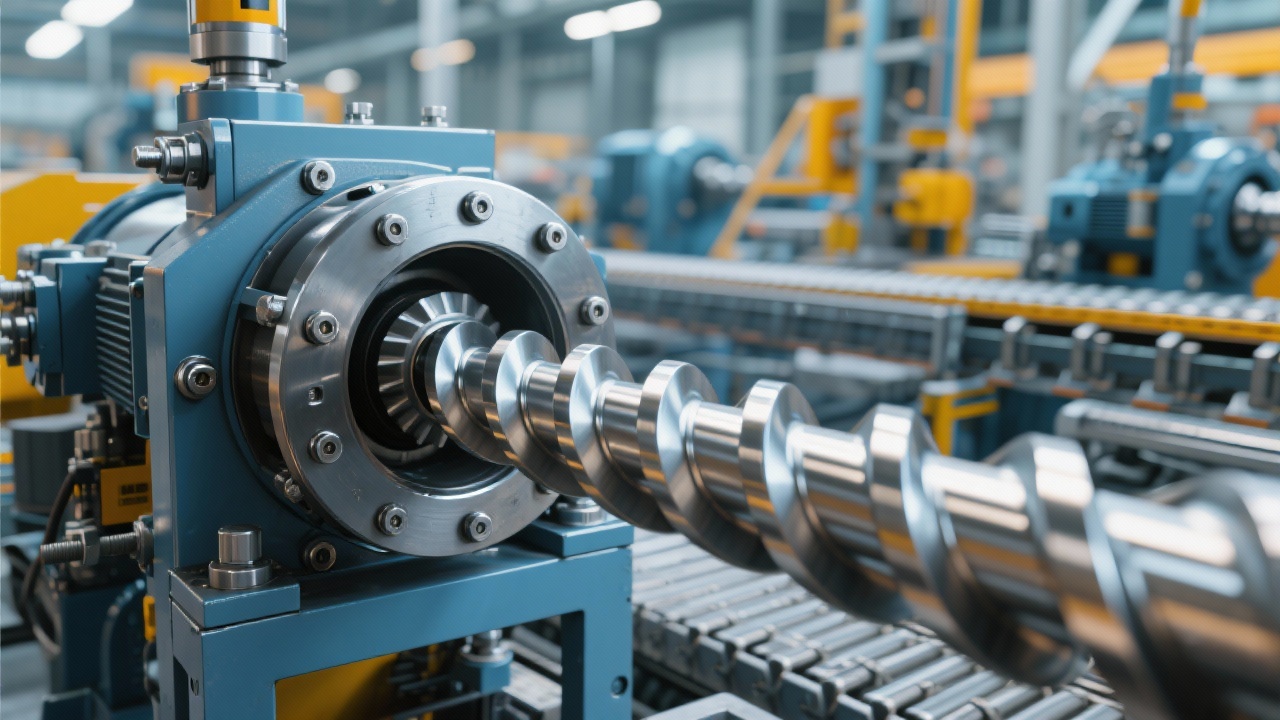
At a logistics facility in Germany, our client reported frequent chain misalignment after only six months of operation. After running a full vibration fatigue test on their existing system, we found micro-cracks in the sprocket mounting brackets—undetectable without advanced diagnostics. When replaced with our reinforced design (tested to 25,000 cycles), performance improved by 92% in subsequent monitoring. This isn’t an outlier—it’s the power of data-driven reliability.
“If you’re not testing for fatigue, you’re gambling with uptime.” — Li Wei, Senior Mechanical Engineer, Tianqi Industrial Solutions
Even the best-tested conveyors fail if improperly installed. Key takeaways:

We also provide a free downloadable checklist for daily inspections—covering everything from belt tracking to electrical grounding. It’s been adopted by over 500 clients globally, helping reduce unplanned stoppages by an average of 35% within the first quarter of use.
Don’t settle for marketing claims when it comes to industrial equipment. Ask for third-party validation—like our ISO-certified vibration fatigue reports—and look for suppliers who offer real-time technical support. At Tianqi, we guarantee 98% on-time delivery and a 2-hour response time for critical issues—because reliability starts long before installation.
Explore our certified heavy-duty chain conveyors designed for maximum durability—backed by science, tested in labs, trusted in factories worldwide.
See Our Tested & Trusted Solutions →Got questions about your conveyor’s performance? Share your experiences below—we learn from real users every day.


 368
|
368
|
 heavy-duty screw conveyor
multi-point feeding and discharging
dust-free material handling
screw conveyor design
industrial conveyor systems
186
|
belt conveyor maintenance
heavy-duty belt conveyor maintenance
conveyor belt tension adjustment
conveyor fault prevention
long-term equipment operation
339
|
heavy belt conveyor maintenance
belt tension adjustment
conveyor preventive maintenance
heavy-duty conveyor systems
belt conveyor lifespan extension
419
|
Mesh belt conveyor
High - capacity material handling
Customized design
Separated traction chain
Industrial equipment on - time delivery
189
|
custom mesh belt conveyor
paper industry material handling equipment
high-speed high-capacity conveyor
non-standard conveyor design
industrial conveyor system integration
heavy-duty screw conveyor
multi-point feeding and discharging
dust-free material handling
screw conveyor design
industrial conveyor systems
186
|
belt conveyor maintenance
heavy-duty belt conveyor maintenance
conveyor belt tension adjustment
conveyor fault prevention
long-term equipment operation
339
|
heavy belt conveyor maintenance
belt tension adjustment
conveyor preventive maintenance
heavy-duty conveyor systems
belt conveyor lifespan extension
419
|
Mesh belt conveyor
High - capacity material handling
Customized design
Separated traction chain
Industrial equipment on - time delivery
189
|
custom mesh belt conveyor
paper industry material handling equipment
high-speed high-capacity conveyor
non-standard conveyor design
industrial conveyor system integration