.png?x-oss-process=image/resize,h_100,m_lfit/format,webp)
.png?x-oss-process=image/resize,h_100,m_lfit/format,webp)
.png?x-oss-process=image/resize,h_100,m_lfit/format,webp)
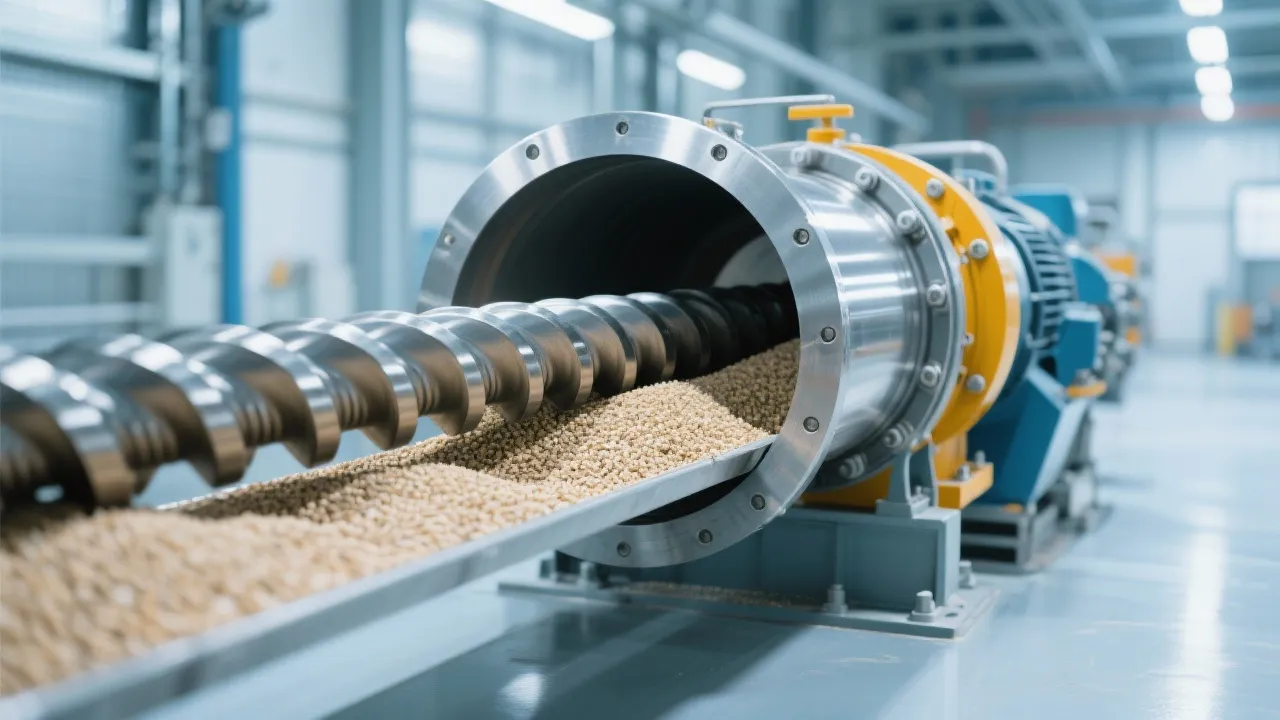
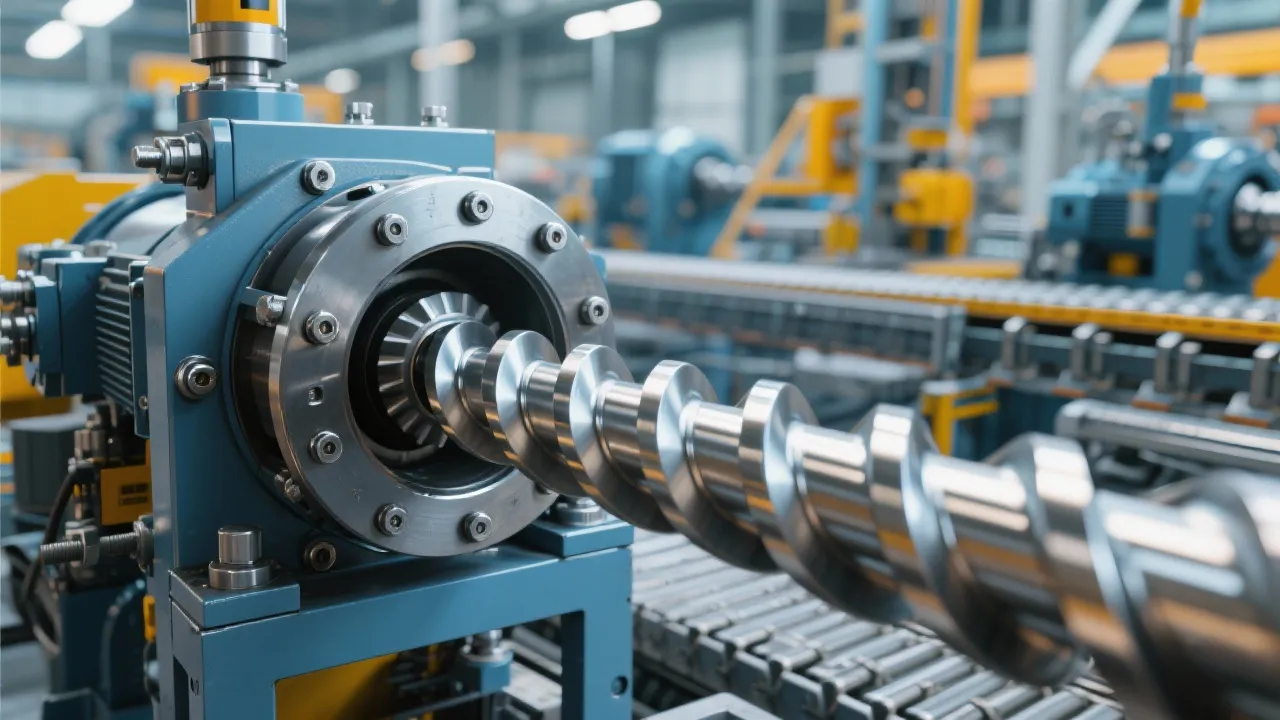
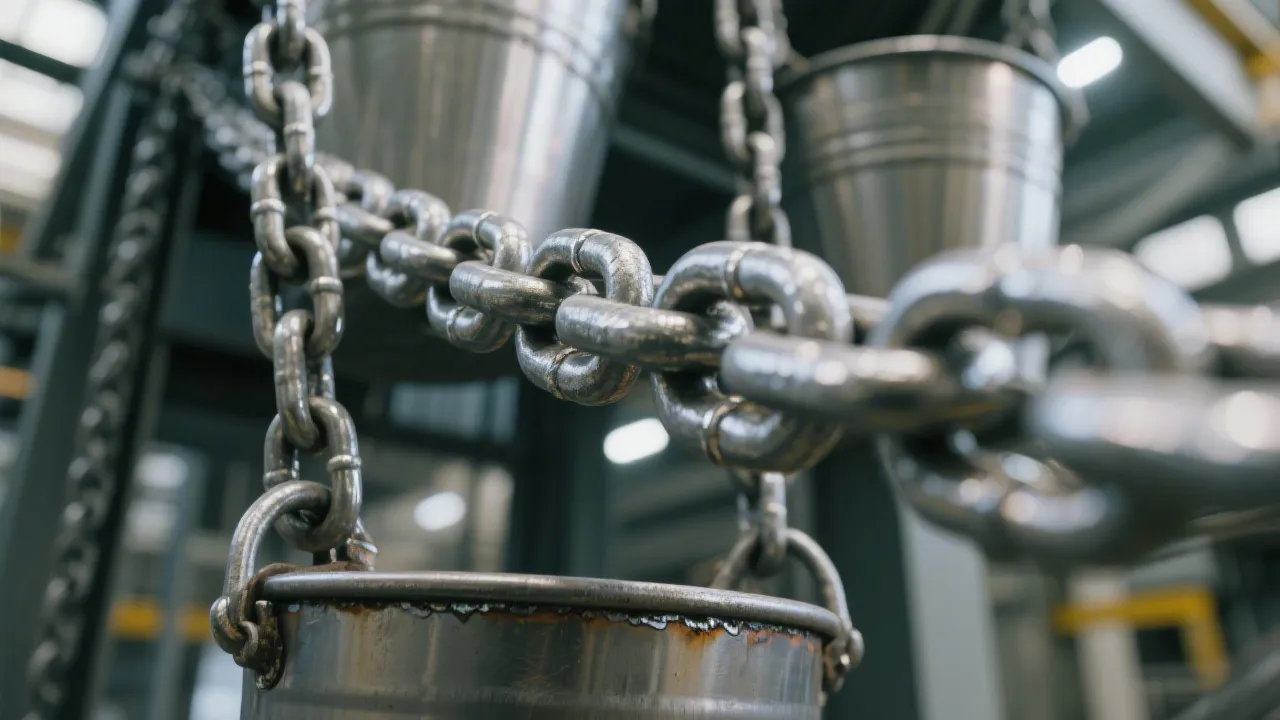
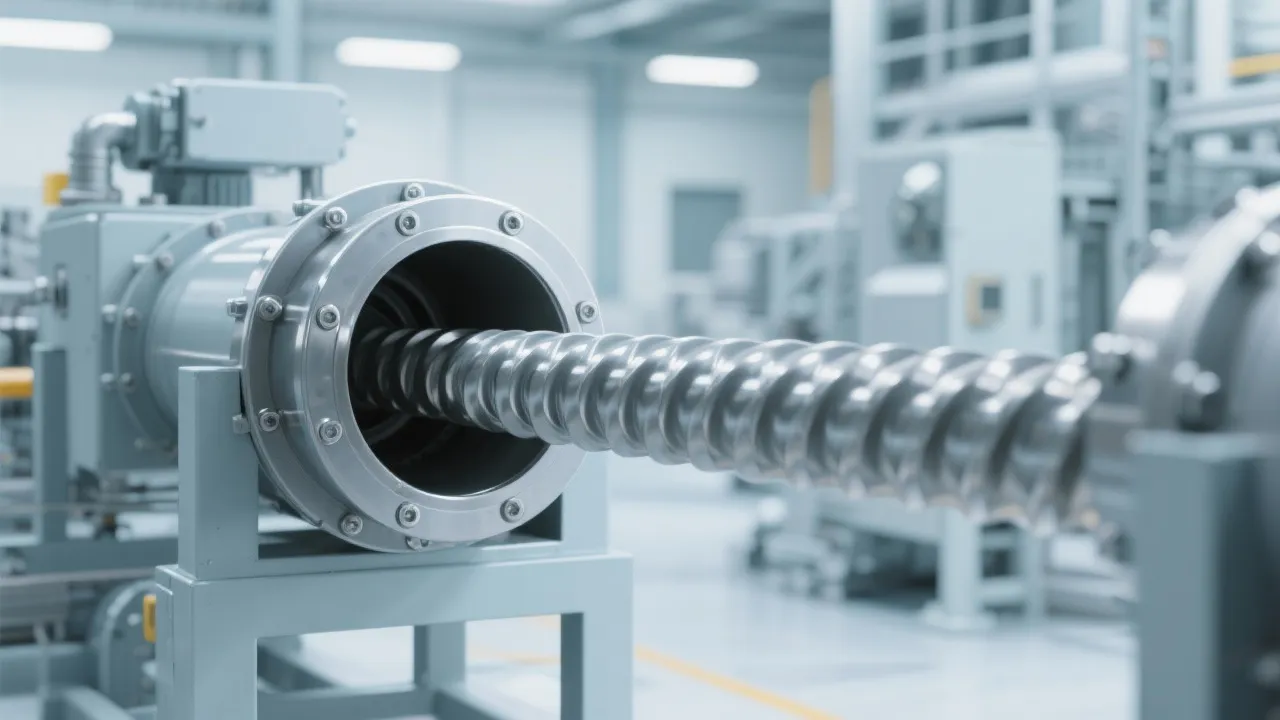
For food and beverage manufacturers, maintaining hygienic standards isn't just a compliance requirement—it's a daily operational necessity. In this industry, where contamination risks are high and regulatory scrutiny is strict, conveyor systems must be engineered not only for durability but also for ease of cleaning. That’s why understanding the design principles behind CIP (Clean-in-Place)-ready chain belt conveyors is critical for process engineers and quality managers.
When it comes to material choice, both stainless steel and engineering plastics offer distinct advantages:
However, choosing the right material alone won’t ensure efficient cleaning. It’s the integration of structural features that truly makes the difference.
A well-designed chain belt conveyor should eliminate crevices where water and residue can accumulate. According to a 2023 study by the International Association of Food Protection, traditional designs with open joints can retain up to 3–5x more microbial load compared to sealed, modular alternatives.
Key innovations include:

One real-world example from a European dairy plant shows how switching to a fully modular chain belt system reduced average cleaning time from 90 minutes per shift to just 35 minutes. This wasn’t due to better chemicals—it was because operators could remove and clean individual segments without dismantling the entire line.
This approach supports standardized cleaning protocols and reduces human error during sanitation processes—a key factor in achieving consistent HACCP compliance across multiple shifts.
Pro Tip: Don’t confuse “waterproof” with “cleanable.” A simple coating won’t solve long-term hygiene issues if the structure allows debris accumulation. Focus on design-first solutions—not surface treatments.
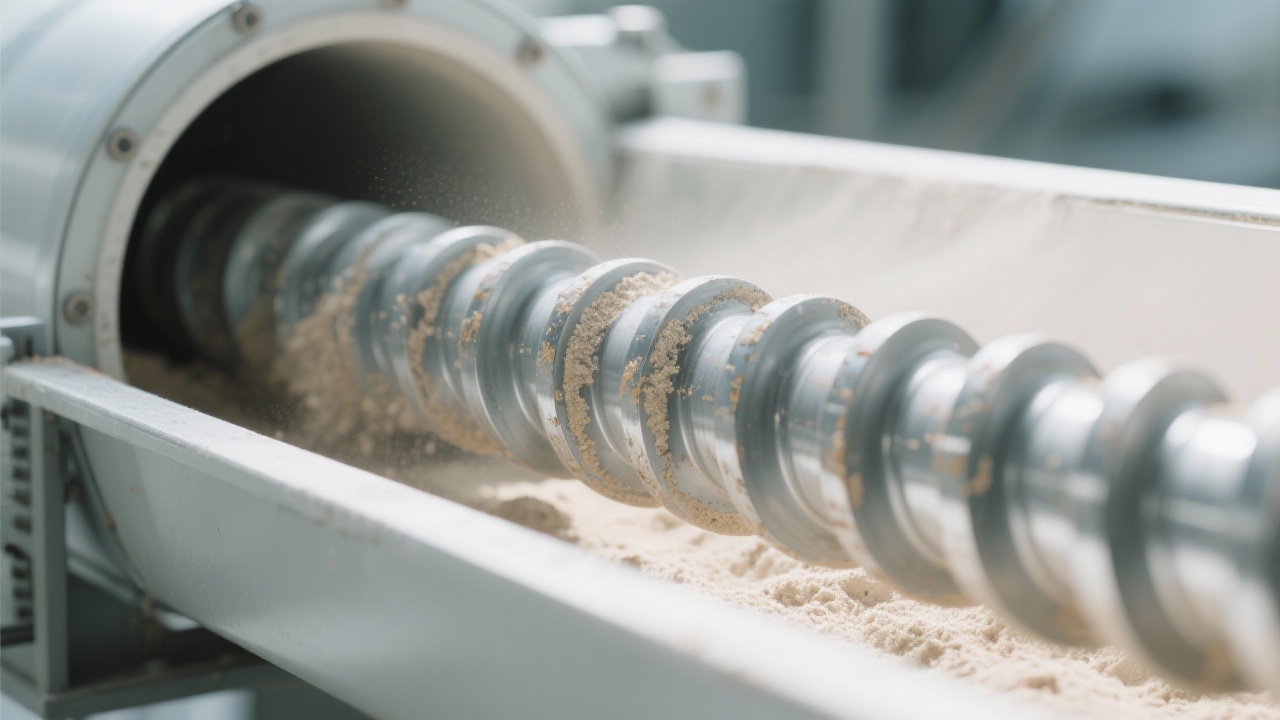
In one case study involving a major juice processor in North America, implementing a redesigned chain belt system led to:
These outcomes demonstrate that investing in smart design pays off—not just in safety, but in productivity and profitability too.
Ready to optimize your production line? Explore our full range of CIP-compliant chain belt conveyors—engineered for food-safe performance, rapid cleaning, and easy maintenance. Download technical datasheets, CAD models, and installation guides at our Technical Resource Center.


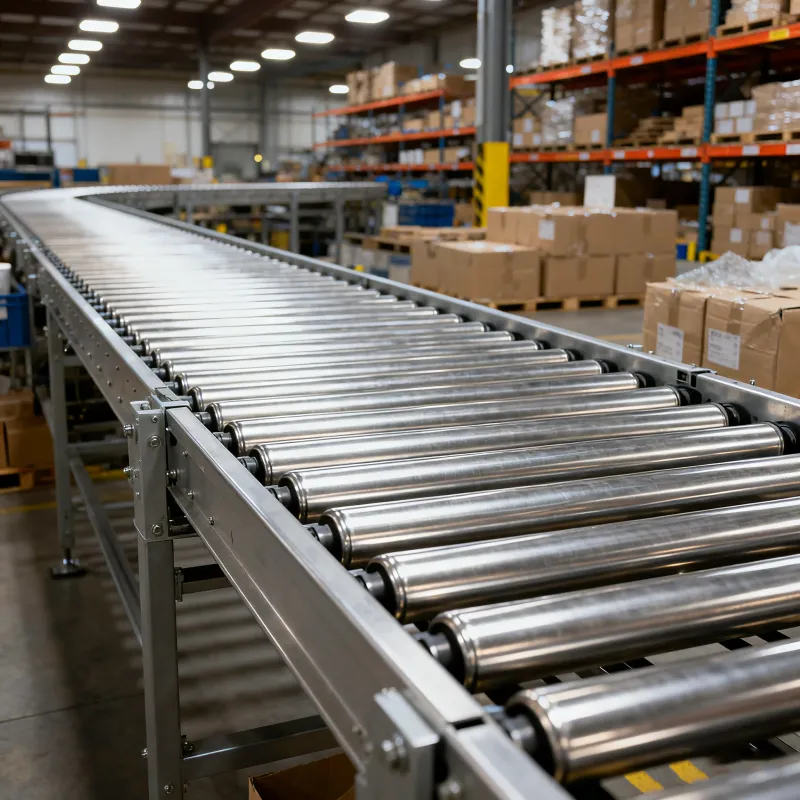
 311
|
311
|
 washable chain conveyor
industrial conveyor CIP cleaning
food industry hygiene standards
modular conveyor system
stainless steel conveyor cleaning
187
|
high-efficiency motor heavy-duty belt conveyor
conveyor noise reduction technology
energy-saving conveyor systems
preventive maintenance for belt conveyors
mining conveyor solutions
205
|
bucket elevator selection
chain bucket elevator vs belt bucket elevator
28-80 m bucket elevator
bulk material vertical conveying
bucket elevator capacity 34-491 m3h
338
|
heavy-duty screw conveyor
dust-free material handling
sealed operation technology
multi-point feed discharge
conveyor selection criteria
97
|
Heavy - duty screw conveyor
Sealed operation technology
Dust control
Dust - free conveying equipment
Material conveying selection
washable chain conveyor
industrial conveyor CIP cleaning
food industry hygiene standards
modular conveyor system
stainless steel conveyor cleaning
187
|
high-efficiency motor heavy-duty belt conveyor
conveyor noise reduction technology
energy-saving conveyor systems
preventive maintenance for belt conveyors
mining conveyor solutions
205
|
bucket elevator selection
chain bucket elevator vs belt bucket elevator
28-80 m bucket elevator
bulk material vertical conveying
bucket elevator capacity 34-491 m3h
338
|
heavy-duty screw conveyor
dust-free material handling
sealed operation technology
multi-point feed discharge
conveyor selection criteria
97
|
Heavy - duty screw conveyor
Sealed operation technology
Dust control
Dust - free conveying equipment
Material conveying selection