.png?x-oss-process=image/resize,h_100,m_lfit/format,webp)
.png?x-oss-process=image/resize,h_100,m_lfit/format,webp)
.png?x-oss-process=image/resize,h_100,m_lfit/format,webp)
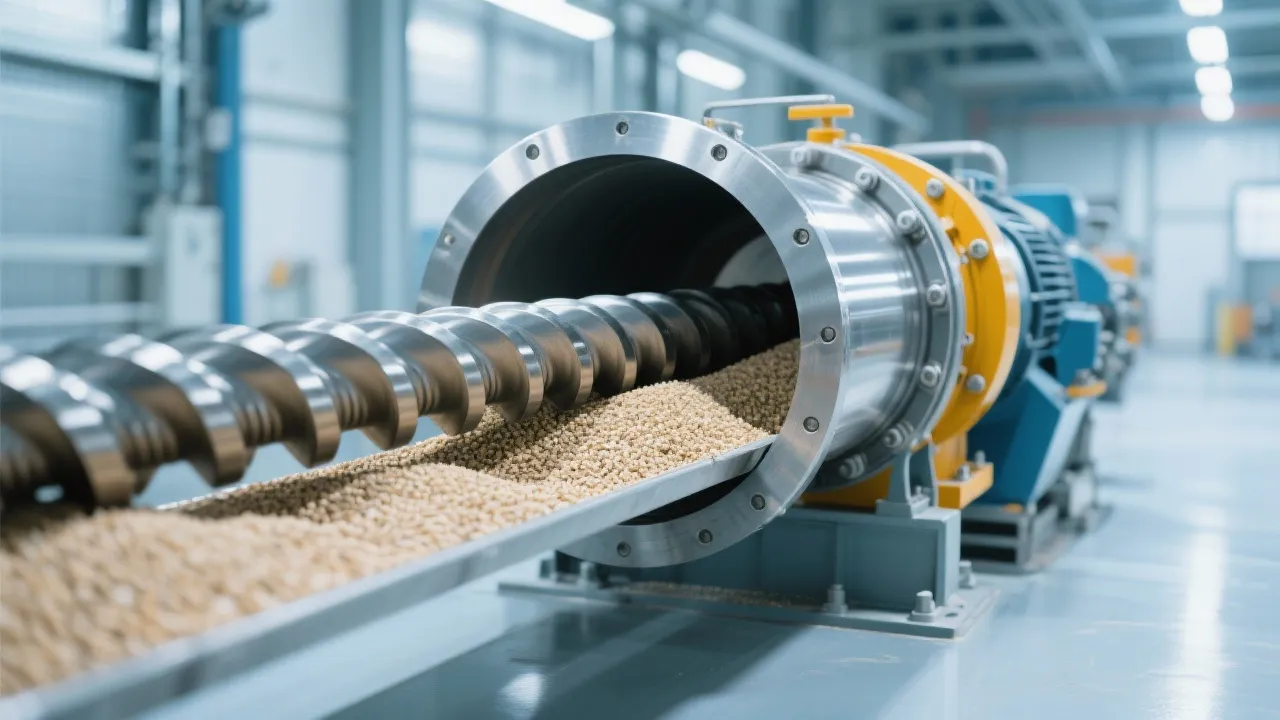
In the realm of industrial material handling, ensuring the reliability of heavy-duty chain plate conveyors is paramount. To bridge the gap between theoretical design and actual performance, vibration fatigue testing has become the cornerstone of equipment validation. This article delves into the rigorous testing procedures conducted by Zhengzhou Tianqi Machinery Co., Ltd., contrasting laboratory results with onsite operational data, and outlines practical troubleshooting and maintenance protocols derived from seasoned engineers’ expertise.
Heavy-duty chain plate conveyors operate under intense stress, demanding thorough validation across multiple performance dimensions — mechanical endurance, structural stability, and corrosion resistance. The testing extends beyond simple load trials; it integrates high-frequency vibrational stresses simulating real-world conditions to replicate years of operational wear within a compressed timeline.
Vibration fatigue testing subjects the conveyor components — including chains, plates, bearings, and frames — to cyclic vibrational loading that mirrors the dynamic shocks encountered during operation.
The core objective is to identify onset of micro-cracking, material fatigue, and joint looseness — failures that could compromise equipment longevity or cause catastrophic downtime.
While laboratory conditions provide controlled environments to isolate variables and stress-test components at accelerated cycles, actual factory environments introduce irregular loads, temperature fluctuations, contamination, and operator variability.
Through long-term field monitoring with vibration sensors and load cells installed on several conveyor units, results showed:
“The toughest issue is always maintaining proper chain tension during and after installation. Our experience shows that a precise, routine check of tension and plate alignment drastically reduces premature mechanical wear.” — Senior Field Engineer, Zhengzhou Tianqi Machinery
Key installation and commissioning insights include:
| Maintenance Item | Frequency | Key Checks | Actions |
|---|---|---|---|
| Chain Tension | Weekly | Measure slack; inspect wear | Adjust tension; replace worn links |
| Lubrication | Monthly | Check lubricants on bearings and chains | Re-lubricate with recommended materials |
| Alignment | Quarterly | Verify plate and chain alignment | Recalibrate guides and fixations |
| Corrosion Check | Semi-annual | Evaluate coating integrity | Touch-up or recoat affected areas |
Chain plate conveyors benefit significantly from advanced materials engineering. Commonly employed materials include:
Structural optimizations, such as reinforced cross-members and vibration-damping mounts, complement material properties to extend equipment life.
Beyond technical robustness, Zhengzhou Tianqi Machinery demonstrates operational excellence with a 98% on-time delivery rate and 2-hour rapid technical response commitments, ensuring minimized downtime and maximum project efficiency.
These service pillars underpin the entire value proposition, empowering clients to implement and maintain heavy-duty chain plate conveyors with confidence.



 105
|
105
|
 Heavy - duty screw conveyor
Dust - free transportation
Material conveying equipment
Sealed transportation technology
Conveyor selection
58
|
Mesh belt conveyor
Separated chain structure
Customized material handling equipment
Industrial conveyor system optimization
Efficient continuous production
214
|
heavy-duty screw conveyor
sealing technology
dust-free conveying
material handling equipment
multi-point feed discharge
275
|
mesh belt conveyor application
cement industry conveyor equipment
paper industry material handling
customized non-standard conveyor
efficient material transport solutions
179
|
Mesh belt conveyor custom design
Industrial continuous conveying equipment
Material handling efficiency improvement
Non - standard conveyor solutions
Advantages of separated chain structure
Heavy - duty screw conveyor
Dust - free transportation
Material conveying equipment
Sealed transportation technology
Conveyor selection
58
|
Mesh belt conveyor
Separated chain structure
Customized material handling equipment
Industrial conveyor system optimization
Efficient continuous production
214
|
heavy-duty screw conveyor
sealing technology
dust-free conveying
material handling equipment
multi-point feed discharge
275
|
mesh belt conveyor application
cement industry conveyor equipment
paper industry material handling
customized non-standard conveyor
efficient material transport solutions
179
|
Mesh belt conveyor custom design
Industrial continuous conveying equipment
Material handling efficiency improvement
Non - standard conveyor solutions
Advantages of separated chain structure