


.png?x-oss-process=image/resize,h_100,m_lfit/format,webp)
.png?x-oss-process=image/resize,h_100,m_lfit/format,webp)
.png?x-oss-process=image/resize,h_100,m_lfit/format,webp)
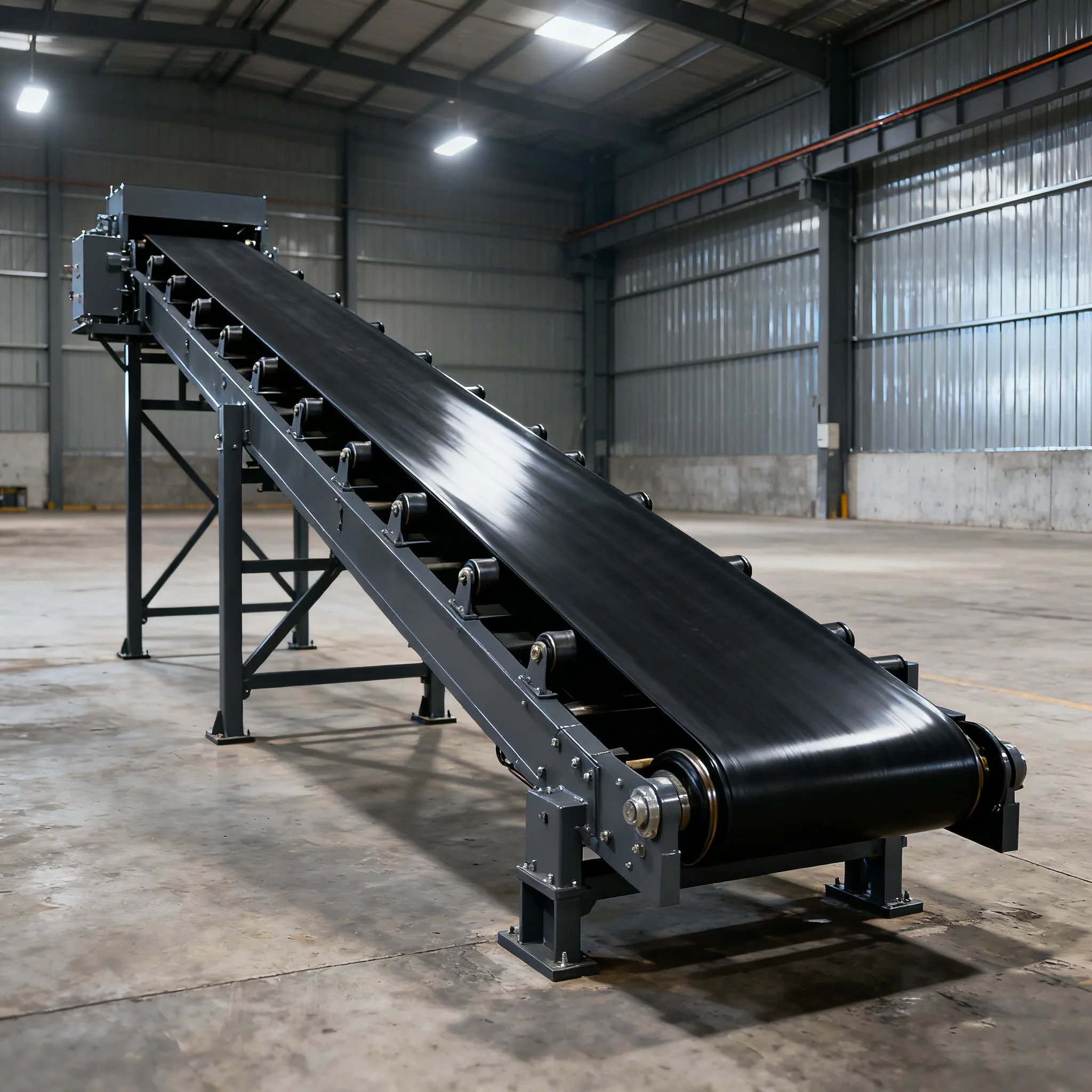
In the realm of industrial material handling, the selection of a suitable heavy-duty screw conveyor is crucial for achieving optimal efficiency and environmental safety. This guide is tailored for procurement officers and technical decision-makers, offering a scientific and practical approach to choosing the right heavy-duty screw conveyor based on material characteristics.
Different materials, such as powders, granules, and small lumps, have distinct physical properties that demand specific screw conveyor designs. For instance, powders are prone to dust generation and require a well-sealed conveyor. Their fine particles necessitate a screw blade with a smooth surface and a suitable pitch to ensure a continuous and efficient flow. Granular materials, on the other hand, are less likely to cause dust problems but may require a more robust blade design to handle their abrasive nature. Small lumps, with their larger size, need a wider and stronger screw blade to prevent jamming.
The structure of the screw blade is a critical factor. For powders, a spiral blade with a smaller pitch can enhance the conveying efficiency by increasing the filling rate. Granular materials may benefit from a blade with a larger pitch to reduce the resistance during transportation. Small lumps require a blade with a strong structure and a proper shape to ensure smooth movement.
Let's take a look at some real - world examples. In the coal industry, where coal is often in granular or small lump form, a heavy - duty screw conveyor is used to transport coal from storage areas to processing equipment. The conveyor needs to be able to handle the abrasive nature of coal and the long - distance transportation requirements. In the cement industry, powders are the main material. A well - sealed screw conveyor is essential to prevent dust pollution and ensure the quality of the cement. In the ore industry, small lumps of ore need to be transported from the mining site to the processing plant. The conveyor must have a strong structure to withstand the weight and abrasion of the ore.
Sealing technology plays a vital role in reducing dust pollution during the conveying process. By creating a closed - loop system, the conveyor can prevent dust from escaping into the environment. The specific mechanism involves using high - quality seals at the joints and openings of the conveyor. These seals can effectively block the passage of dust particles, ensuring a clean and safe working environment.
Compared with traditional conveying methods, which often suffer from problems such as dust leakage, high energy consumption, and low efficiency, the TQ - SC model of heavy - duty screw conveyor stands out. It can achieve a vertical lift of up to 20 meters and a horizontal conveyance of up to 150 meters with stable performance. This makes it suitable for a wide range of industrial applications.
The TQ - SC model features a robust structure, which ensures its durability and reliability in harsh industrial environments. It is also easy to maintain, with simple components that can be quickly replaced or repaired. The multi - point feeding and discharging function provides great flexibility in the production line. Enterprises can adjust the feeding and discharging points according to their specific production needs, improving the overall efficiency of the production process.
When choosing a heavy - duty screw conveyor, it is essential to consider the material characteristics, the performance requirements of the equipment, and the environmental protection needs. By referring to industry standards and understanding the specific needs of your enterprise, you can make a more informed decision.
Don't hesitate to contact us for a customized selection plan and exclusive technical support. Visit CTA - URL to get started now!


 185
|
185
|
 heavy-duty screw conveyor
dust-free material handling
conveyor performance parameters
sealing technology
multi-point feeding system
187
|
high-efficiency motor heavy-duty belt conveyor
conveyor noise reduction technology
energy-saving conveyor systems
preventive maintenance for belt conveyors
mining conveyor solutions
229
|
Heavy-duty screw conveyor
Multi-point feeding and discharging
Dust-free conveying
Selection guide
Sealed operation technology
211
|
heavy-duty screw conveyor
sealing technology
dust-free conveying
material handling equipment
multi-point feed discharge
197
|
custom mesh belt conveyor
high capacity conveyor system
non-standard conveying solution
industrial conveyor integration
heat-resistant conveyor equipment
heavy-duty screw conveyor
dust-free material handling
conveyor performance parameters
sealing technology
multi-point feeding system
187
|
high-efficiency motor heavy-duty belt conveyor
conveyor noise reduction technology
energy-saving conveyor systems
preventive maintenance for belt conveyors
mining conveyor solutions
229
|
Heavy-duty screw conveyor
Multi-point feeding and discharging
Dust-free conveying
Selection guide
Sealed operation technology
211
|
heavy-duty screw conveyor
sealing technology
dust-free conveying
material handling equipment
multi-point feed discharge
197
|
custom mesh belt conveyor
high capacity conveyor system
non-standard conveying solution
industrial conveyor integration
heat-resistant conveyor equipment


