


.png?x-oss-process=image/resize,h_100,m_lfit/format,webp)
.png?x-oss-process=image/resize,h_100,m_lfit/format,webp)
.png?x-oss-process=image/resize,h_100,m_lfit/format,webp)
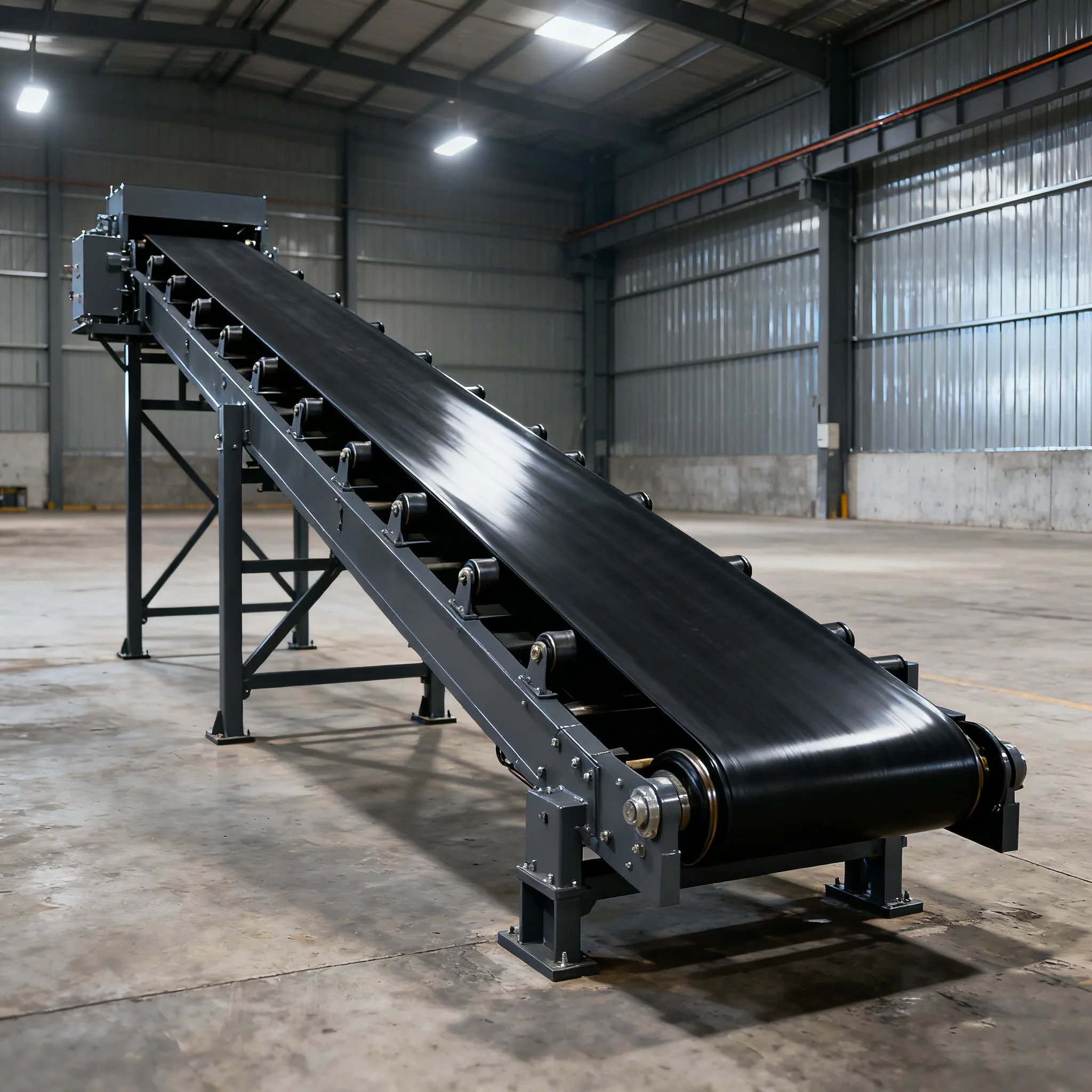
When it comes to industrial material handling, choosing the right heavy-duty screw conveyor is crucial for achieving optimal efficiency and environmental safety. This article aims to provide a practical guide for procurement officers and technical decision-makers, helping them select the most suitable high-efficiency dust-free heavy-duty screw conveyor based on material characteristics.
Different forms of materials, such as powders, granules, and small pieces, have significant impacts on the rotation speed of the screw rotor and the spacing of the spiral blades. For powdery materials, a slower rotor speed and a smaller blade spacing are usually required to prevent material backflow and ensure stable conveyance. In contrast, granular and small-piece materials can tolerate higher rotor speeds and larger blade spacings, which can improve the conveying efficiency.

The horizontal conveying length (≤150 meters) and vertical lifting height (≤20 meters) are important factors in guiding the selection of the conveyor model. Longer horizontal conveying distances may require larger-diameter screw conveyors and more powerful motors to ensure sufficient conveying force. Similarly, greater vertical lifting heights demand conveyors with higher power and better sealing performance to prevent material slippage and ensure smooth conveyance.
Sealed operation technology is the core mechanism for reducing dust dispersion and preventing material contamination. By using advanced sealing materials and structures, the conveyor can effectively contain dust within the conveying system, protecting the working environment and ensuring the purity of the materials. In the industrial field, this technology has significant application value, especially in industries with high requirements for environmental protection and product quality, such as the food and pharmaceutical industries.
The use of high-strength materials and modular design in heavy-duty screw conveyors brings durability and low maintenance costs. High-strength materials can withstand the wear and tear of long-term operation, extending the service life of the conveyor. The modular design allows for easy installation, disassembly, and replacement of components, reducing maintenance time and costs. For example, in some large-scale industrial production lines, the use of these conveyors can save up to 30% of maintenance costs compared to traditional conveyors.
The multi-point feeding/discharging configuration provides flexibility and integration capabilities to meet the complex layout requirements of production lines. This configuration allows materials to be fed or discharged at multiple points along the conveyor, which is particularly useful in industries such as mining, chemical, and construction, where materials need to be transported and processed at different locations.
Let's take a look at some successful selection practices in typical industries. In the mining industry, a company selected a heavy-duty screw conveyor with a large-diameter screw rotor and a high-power motor to transport ore from the mining site to the processing plant. The conveyor's high conveying capacity and good sealing performance ensured efficient and dust-free operation. In the chemical industry, a company used a conveyor with a special sealing structure to transport corrosive chemicals, effectively preventing material leakage and environmental pollution. In the construction industry, a company adopted a conveyor with a multi-point feeding/discharging configuration to meet the needs of different construction processes, improving the overall production efficiency.
In conclusion, selecting the right high-efficiency dust-free heavy-duty screw conveyor requires a comprehensive consideration of material characteristics, performance parameters, sealing technology, structural advantages, and maintenance costs. By following the guidelines provided in this article, you can make a more informed decision and achieve the dual goals of industrial production efficiency and environmental safety. Immediately consult professional engineers to obtain customized conveying solutions


 187
|
187
|
 high-efficiency motor heavy-duty belt conveyor
conveyor noise reduction technology
energy-saving conveyor systems
preventive maintenance for belt conveyors
mining conveyor solutions
82
|
heavy-duty screw conveyor
dust-free conveying equipment
material conveying selection
sealed screw conveyor
industrial material transport solutions
197
|
custom mesh belt conveyor
high capacity conveyor system
non-standard conveying solution
industrial conveyor integration
heat-resistant conveyor equipment
high-efficiency motor heavy-duty belt conveyor
conveyor noise reduction technology
energy-saving conveyor systems
preventive maintenance for belt conveyors
mining conveyor solutions
82
|
heavy-duty screw conveyor
dust-free conveying equipment
material conveying selection
sealed screw conveyor
industrial material transport solutions
197
|
custom mesh belt conveyor
high capacity conveyor system
non-standard conveying solution
industrial conveyor integration
heat-resistant conveyor equipment


