.png?x-oss-process=image/resize,h_100,m_lfit/format,webp)
.png?x-oss-process=image/resize,h_100,m_lfit/format,webp)
.png?x-oss-process=image/resize,h_100,m_lfit/format,webp)
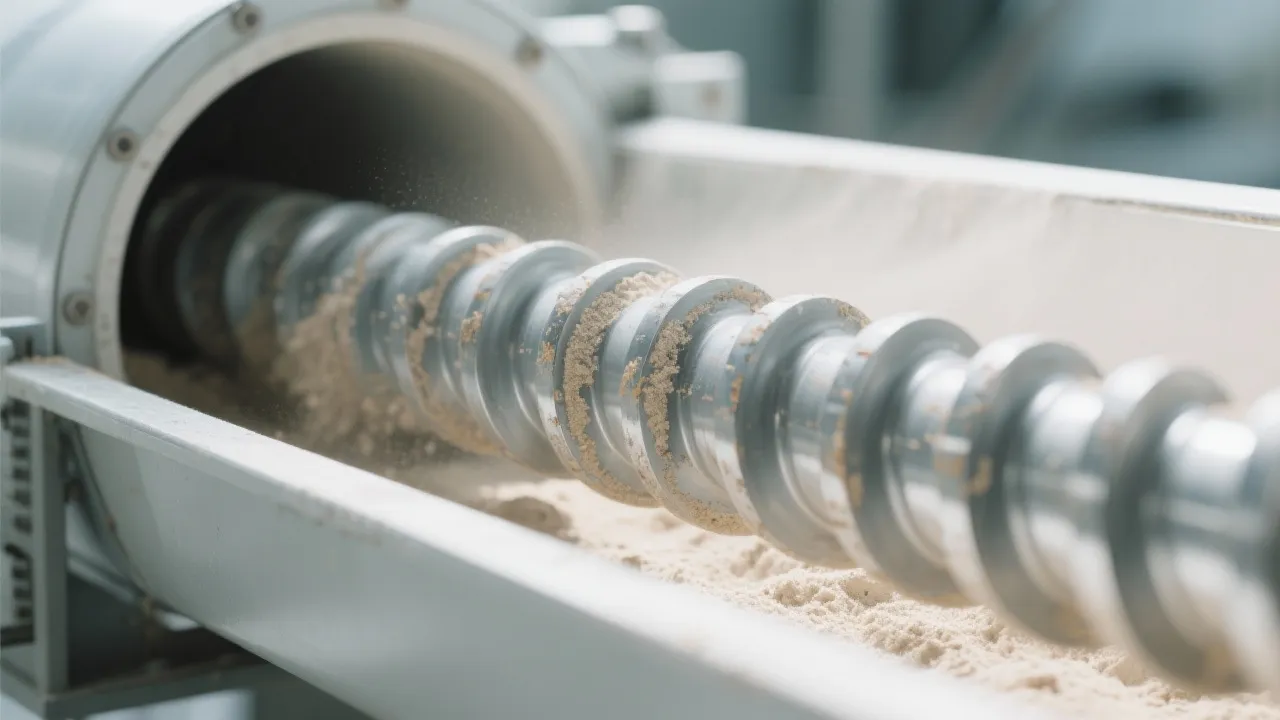
Industrial facilities often face hidden costs from inefficient material handling systems—high energy consumption, frequent breakdowns, and poor adaptability to complex layouts. For manufacturers in cement, paper, or food processing, these inefficiencies translate into lost production time and rising operational expenses.
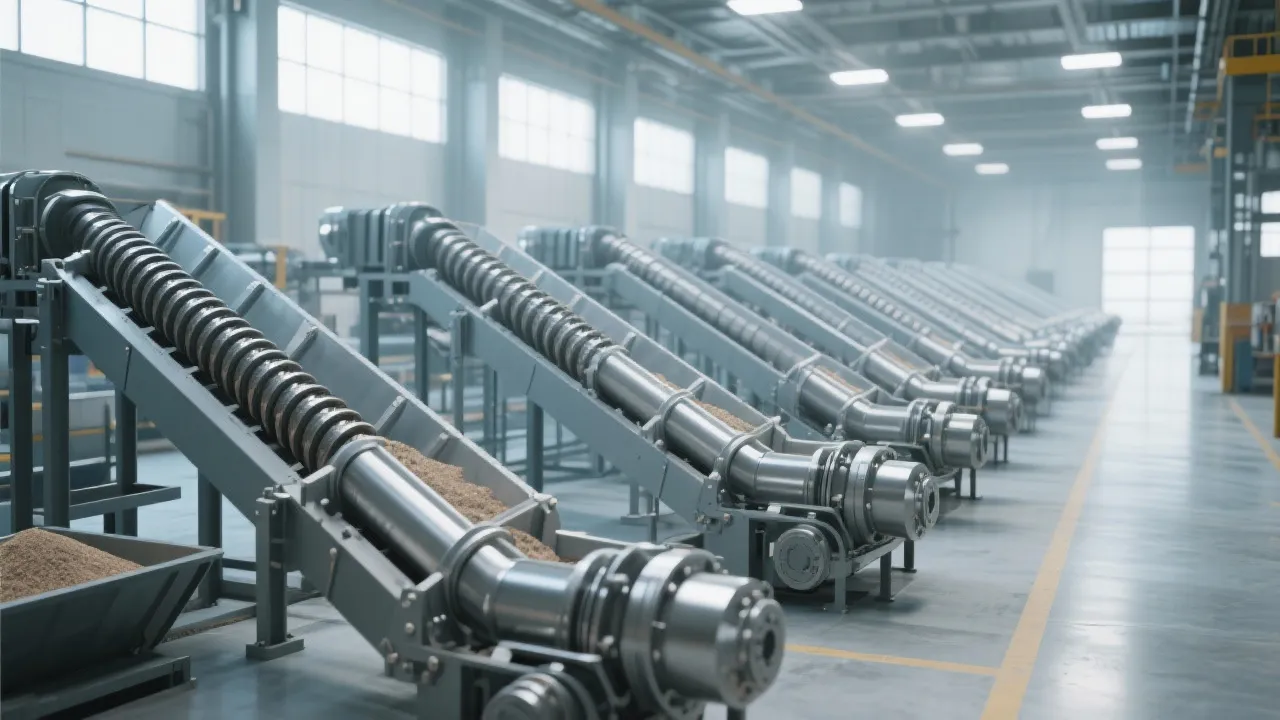
Take one case: a cement plant in Henan, China, needed to move raw materials at a 60° incline over 30 meters with minimal downtime. Traditional conveyor designs struggled here—not just because of the angle, but due to excessive friction between moving parts. That’s where郑州天启机械 (Zhengzhou Tianqi Machinery) stepped in with a custom-designed separated traction chain + carrying chain structure.
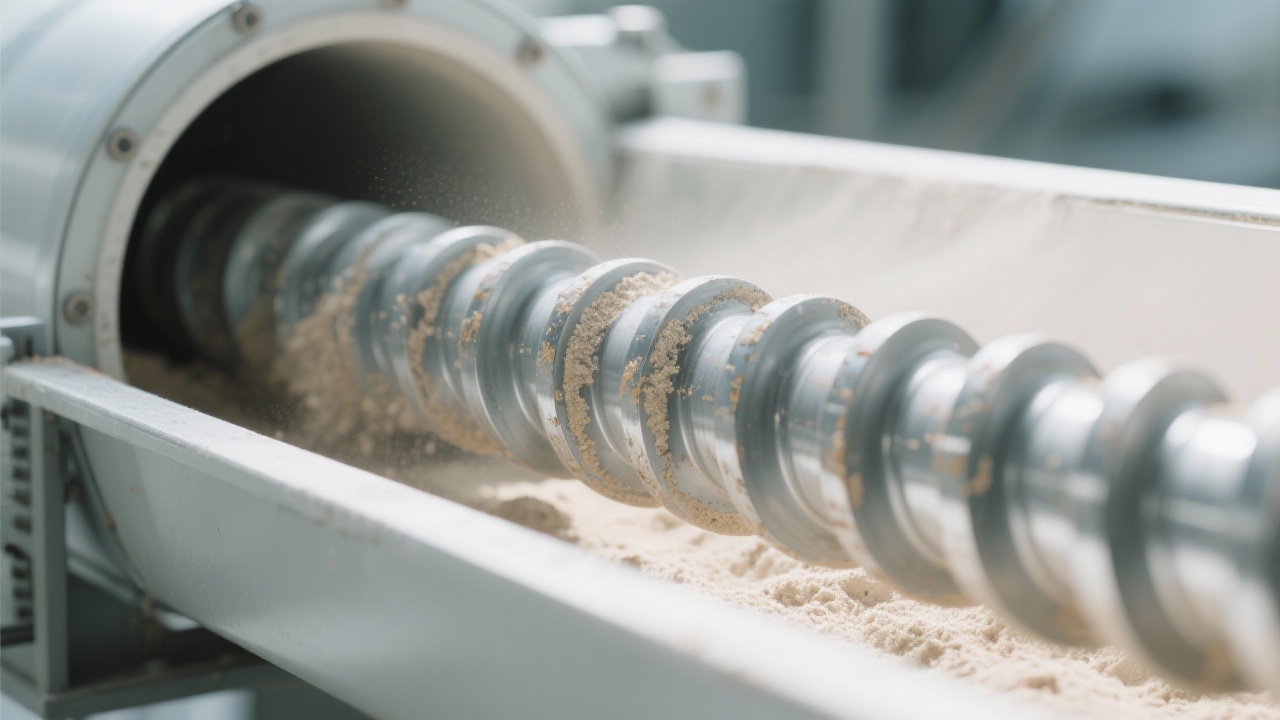
In conventional conveyors, traction and load-bearing functions share the same chain path—leading to increased wear, misalignment, and heat buildup. By separating the two components:
“We saw our monthly maintenance hours drop by 40% after switching to the separated-chain system. It’s not just about saving parts—it’s about keeping the line running.” — Zhang Wei, Plant Manager, Shandong Cement Co.
In the paper industry, a client required continuous operation across multiple bends and elevations. The separated chain system allowed them to maintain constant tension while reducing belt slippage—a key factor in preventing product damage during high-speed runs.

Meanwhile, the cement plant achieved a 98% on-time delivery rate for their equipment—thanks to pre-engineered modules and standardized interfaces. When issues arise, Tianqi’s service team responds within 2 hours, minimizing production disruption.
These aren’t isolated wins—they’re part of a broader shift toward smarter industrial automation. As factories look to reduce both capital and operating expenditures, solutions like this offer measurable ROI in under 12 months.
Get your free non-standard conveyor solution design consultation today—from layout planning to performance benchmarking.
立即获取您的非标输送方案设计建议


 105
|
105
|
 Heavy - duty screw conveyor
Dust - free transportation
Material conveying equipment
Sealed transportation technology
Conveyor selection
187
|
high-efficiency motor heavy-duty belt conveyor
conveyor noise reduction technology
energy-saving conveyor systems
preventive maintenance for belt conveyors
mining conveyor solutions
97
|
Heavy - duty screw conveyor
Sealed operation technology
Dust control
Dust - free conveying equipment
Material conveying selection
474
|
Heavy-duty screw conveyor
Dust-free conveying
Sealed conveyor
Industrial dust control
Material conveying equipment
83
|
heavy-duty screw conveyor
dust-free conveying equipment
material conveying selection
sealed screw conveyor
industrial material transport solutions
Heavy - duty screw conveyor
Dust - free transportation
Material conveying equipment
Sealed transportation technology
Conveyor selection
187
|
high-efficiency motor heavy-duty belt conveyor
conveyor noise reduction technology
energy-saving conveyor systems
preventive maintenance for belt conveyors
mining conveyor solutions
97
|
Heavy - duty screw conveyor
Sealed operation technology
Dust control
Dust - free conveying equipment
Material conveying selection
474
|
Heavy-duty screw conveyor
Dust-free conveying
Sealed conveyor
Industrial dust control
Material conveying equipment
83
|
heavy-duty screw conveyor
dust-free conveying equipment
material conveying selection
sealed screw conveyor
industrial material transport solutions