.png?x-oss-process=image/resize,h_100,m_lfit/format,webp)
.png?x-oss-process=image/resize,h_100,m_lfit/format,webp)
.png?x-oss-process=image/resize,h_100,m_lfit/format,webp)
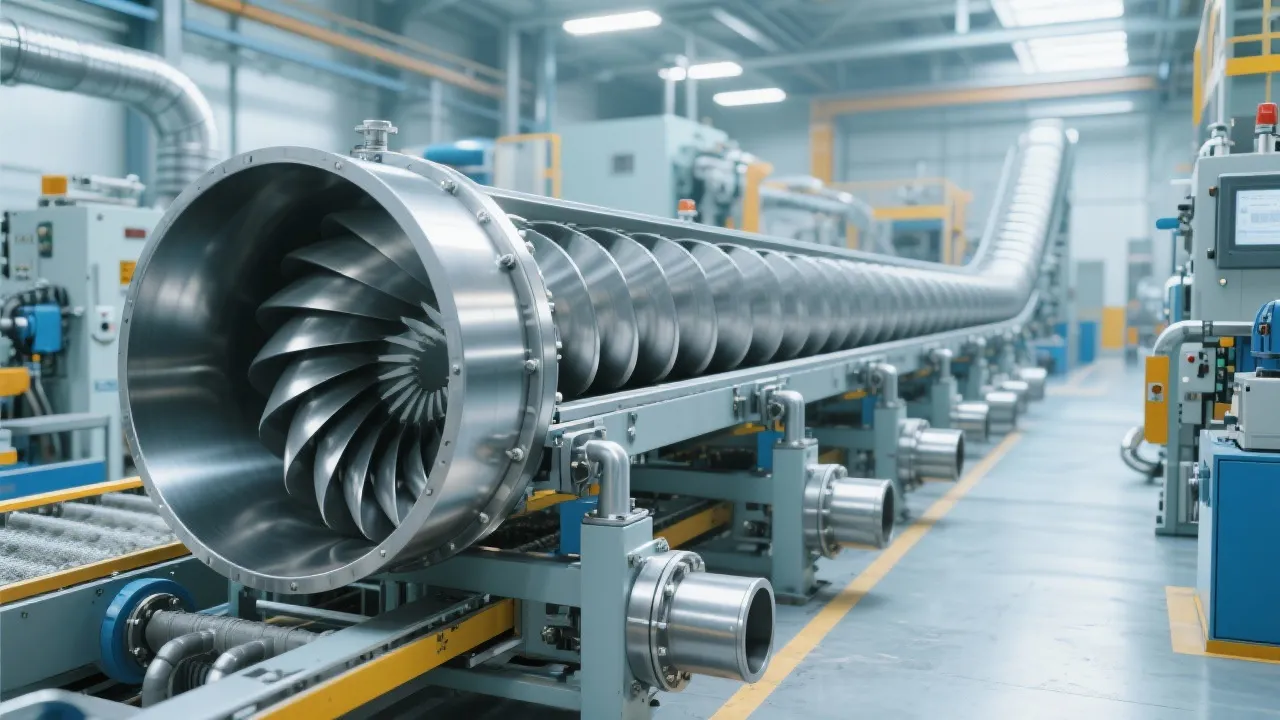
In industrial environments where uptime is critical—such as food processing, automotive assembly, or metal fabrication—chain conveyor systems must endure extreme loads and continuous operation. At Zhengzhou Tianqi Machinery Co., Ltd., we don’t just build heavy-duty chain conveyors—we rigorously test them to ensure real-world reliability.
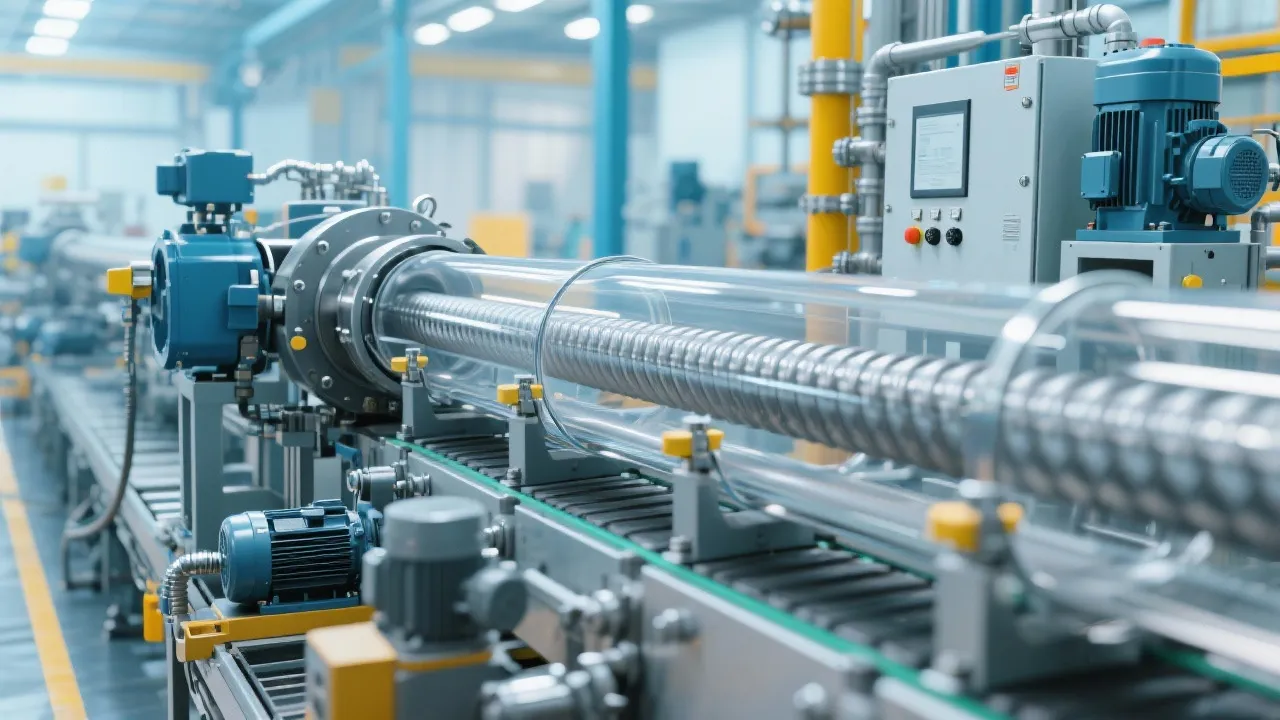
Vibration fatigue testing simulates years of operational stress in a matter of weeks. Our lab at Tianqi conducts tests using sinusoidal and random vibration profiles that mimic the dynamic forces found in high-load applications. For example, during one recent test on a 500kg/m capacity chain conveyor, our system applied 3g acceleration across 10Hz–200Hz frequencies for 72 hours straight—equivalent to over 3 years of typical factory use.
The results were clear: no weld cracks, minimal wear on roller bushings, and consistent synchronization within ±0.5mm tolerance. These metrics confirm our design’s ability to withstand prolonged mechanical strain—a key differentiator from competitors who often skip this step.
We compare lab data with field performance from clients like a leading beverage bottling plant in Egypt and a steel manufacturing facility in Poland. In both cases, post-installation monitoring showed less than 0.3% deviation from initial calibration—a testament to our precision engineering and material selection (e.g., AISI 304 stainless steel chains with zinc-nickel coating).
Our team also documents installation best practices: proper base anchoring (minimum 12mm anchor bolts), chain tension adjustment using torque wrenches (set at 25–30 N·m), and alignment verification via laser-guided tools. These steps reduce early failure rates by up to 70%, according to internal client feedback surveys.
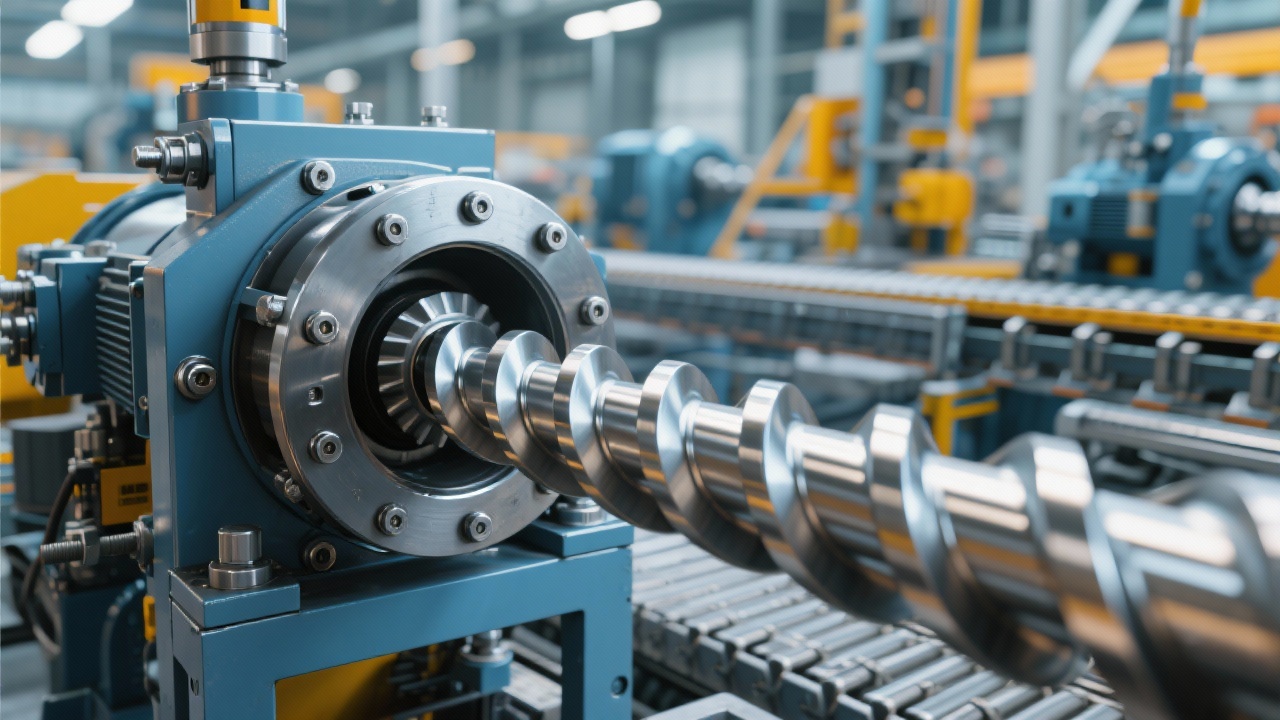
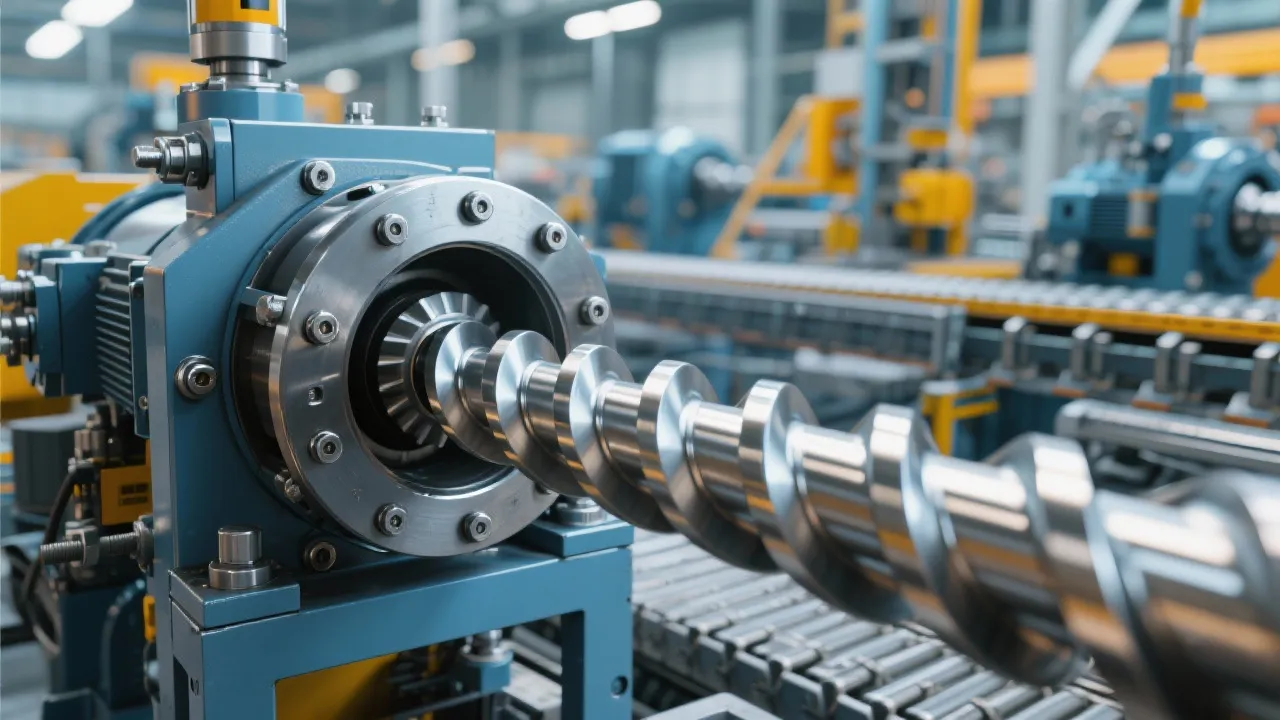
Even the most robust systems need care. We provide a monthly maintenance checklist tailored to your environment: inspect chain tension, check lubrication levels (every 400 operating hours), and verify motor temperature rise (< 40°C above ambient). One customer reported a 45% reduction in unplanned downtime after adopting our guide.
And because every production line is unique, we offer customization—from custom belt widths to modular sections that adapt to existing layouts. With a 98% on-time delivery rate and average lead time under 4 weeks, Tianqi ensures you get exactly what you need when you need it.

Whether you’re evaluating suppliers or optimizing an existing line, understanding how a chain conveyor performs under real conditions can make all the difference between costly breakdowns and seamless operations.
Explore our full range of heavy-duty chain conveyors designed for precision, durability, and ease of integration.
Get a Customized Solution Today →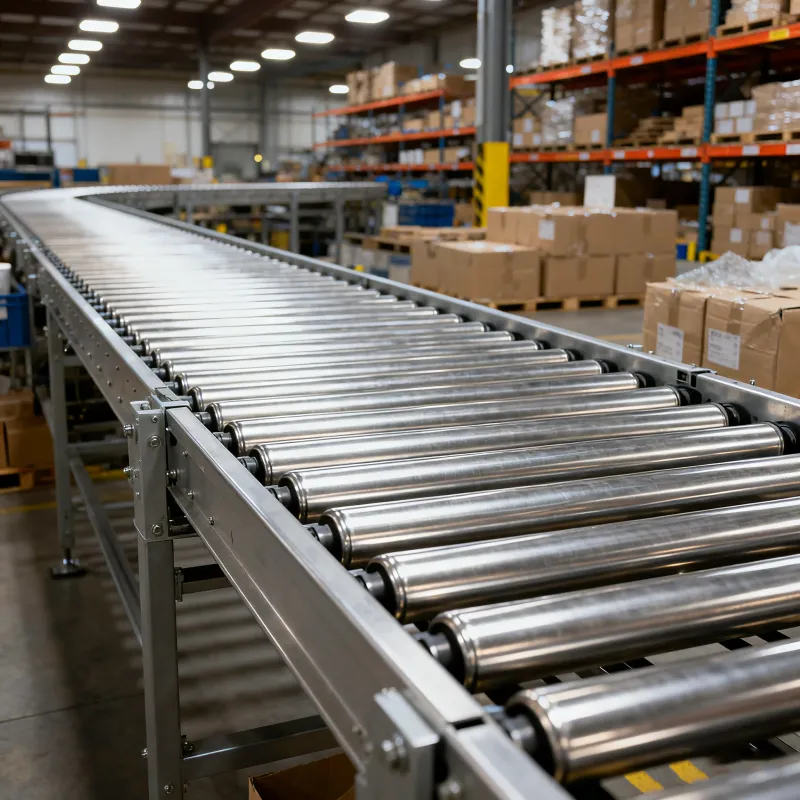


 105
|
105
|
 Heavy - duty screw conveyor
Dust - free transportation
Material conveying equipment
Sealed transportation technology
Conveyor selection
214
|
heavy-duty screw conveyor
sealing technology
dust-free conveying
material handling equipment
multi-point feed discharge
70
|
chain plate conveyor selection
industrial conveyor design
complex production line solutions
horizontal inclined curved conveyors
material handling optimization
212
|
custom conveyor belts
non-standard conveying equipment
industrial material handling solutions
separated chain structure
efficient continuous conveyor system
184
|
Heavy - duty screw conveyor selection
High - efficiency dust - free conveying equipment
Screw conveyor sealing technology
Powdery material conveying solution
Industrial material handling solution
Heavy - duty screw conveyor
Dust - free transportation
Material conveying equipment
Sealed transportation technology
Conveyor selection
214
|
heavy-duty screw conveyor
sealing technology
dust-free conveying
material handling equipment
multi-point feed discharge
70
|
chain plate conveyor selection
industrial conveyor design
complex production line solutions
horizontal inclined curved conveyors
material handling optimization
212
|
custom conveyor belts
non-standard conveying equipment
industrial material handling solutions
separated chain structure
efficient continuous conveyor system
184
|
Heavy - duty screw conveyor selection
High - efficiency dust - free conveying equipment
Screw conveyor sealing technology
Powdery material conveying solution
Industrial material handling solution