.png?x-oss-process=image/resize,h_100,m_lfit/format,webp)
.png?x-oss-process=image/resize,h_100,m_lfit/format,webp)
.png?x-oss-process=image/resize,h_100,m_lfit/format,webp)
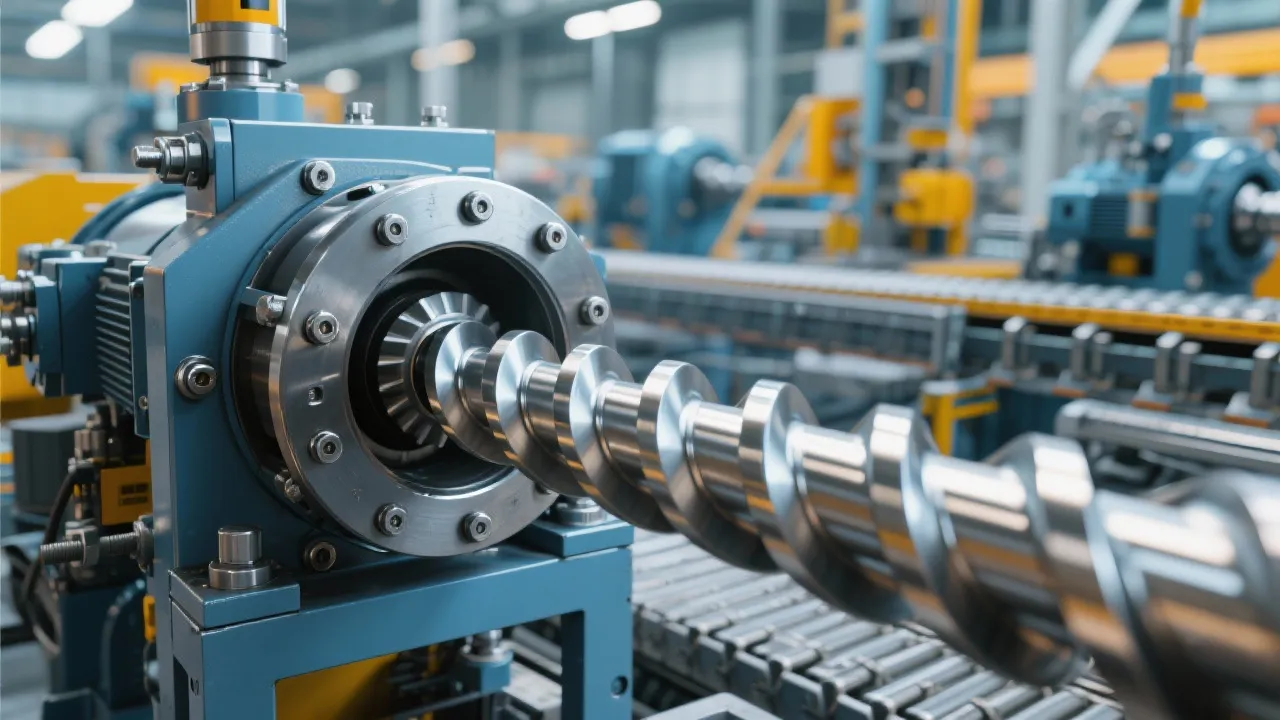
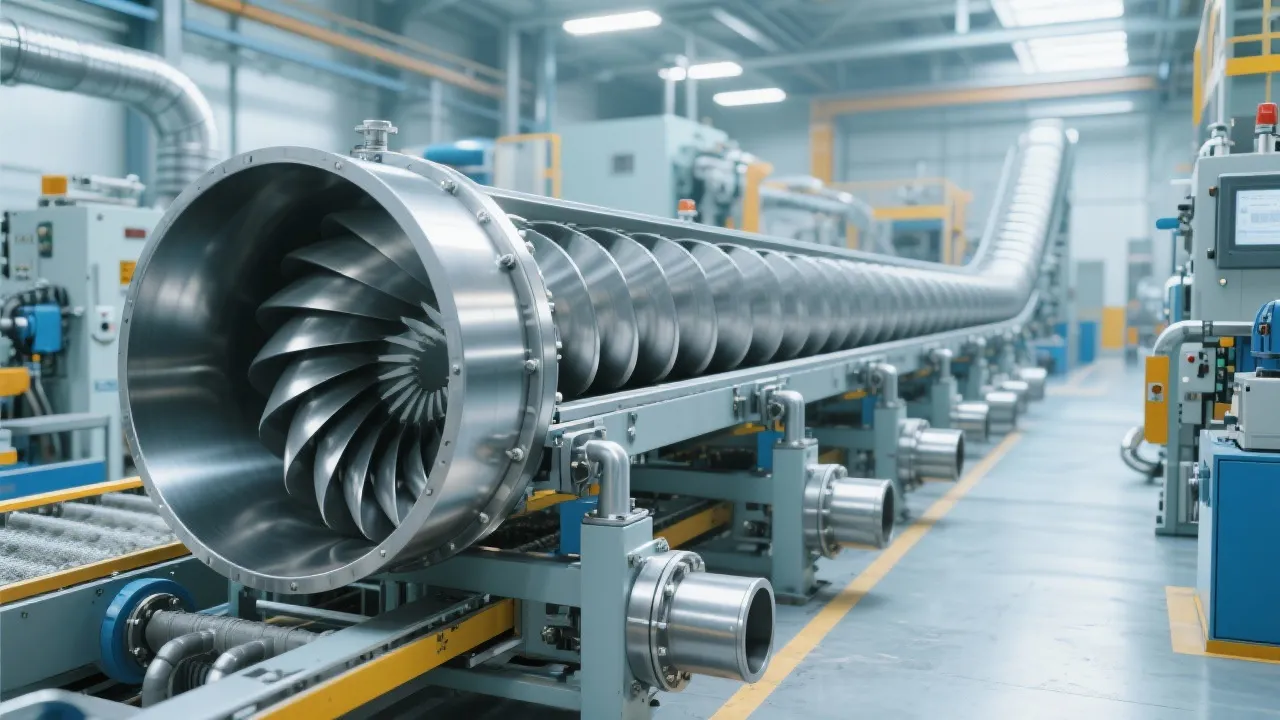
In sectors such as food, beverage, and pharmaceuticals, where sanitation is paramount, the cleanliness of chain conveyor systems directly influences both production safety and regulatory compliance. Modern water-washable chain conveyors have redefined equipment hygiene standards by integrating advanced materials, optimized sealing structures, and innovative modular designs — enabling efficient Clean-in-Place (CIP) operations while ensuring long-term operational integrity.
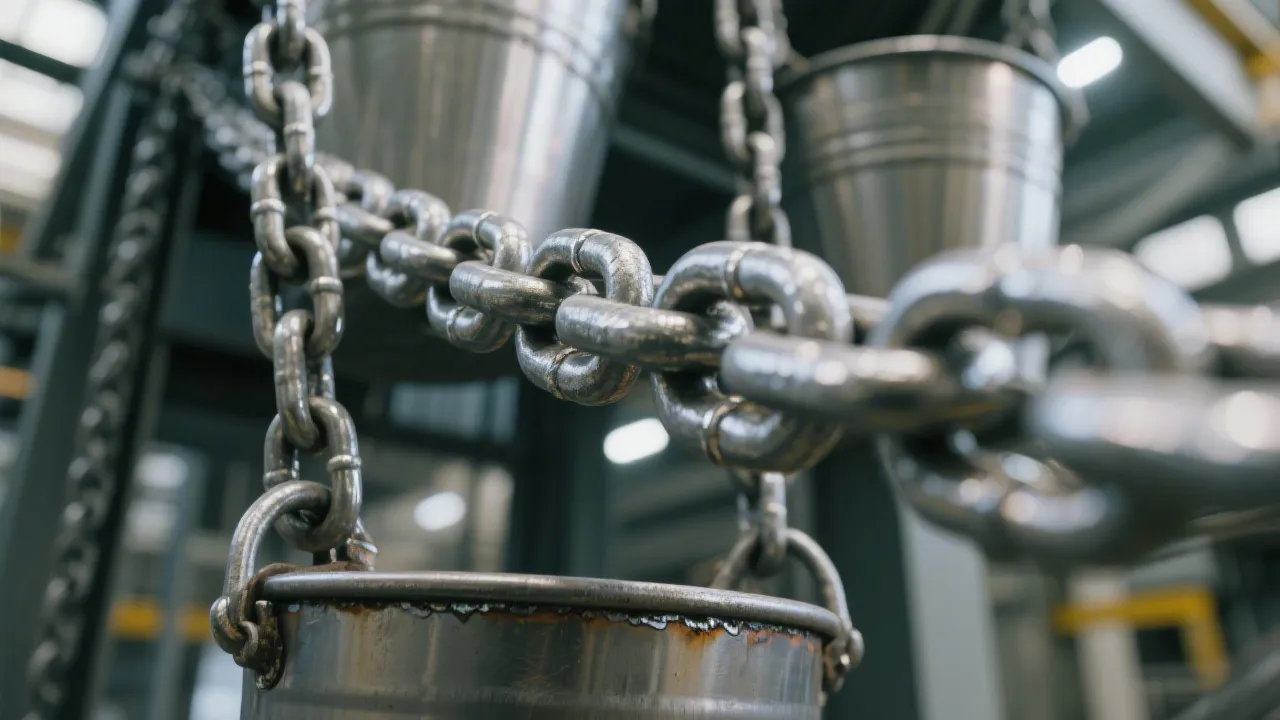
The core of superior cleanability starts with material choice. High-grade stainless steel (304 or 316) offers excellent corrosion resistance, smooth surfaces, and durability essential for repeated washes and exposure to cleaning agents. Its inherent non-porosity minimizes microbial adhesion, a crucial advantage in sterile environments. Conversely, select engineering plastics such as UHMWPE or PEEK present reduced weight and enhanced resistance to chemical cleaners. However, ensuring their surface finish achieves similar hygienic levels often requires strict quality controls during molding.
Comparative studies indicate that conveyors using fully stainless steel chains reduce microbial retention by up to 90% compared to traditional mixed-material systems. These materials also impact cleaning cycle times: stainless steel conveyors can sustain aggressive CIP protocols without degradation, enabling up to 30% faster wash cycles.
Sanitation performance hinges on intelligent structural engineering. Key innovations include:
Implementation of these design features can reduce microbial hotspots by approximately 95%, dramatically lowering contamination risk.
Modularity transforms maintenance efficiency by enabling rapid disassembly without tools. Features such as clip-lock mechanisms and interchangeable chain modules facilitate cleaning personnel to execute hygiene protocols seamlessly and consistently across shifts.
Operational data reveals that modular conveyor systems shorten maintenance downtime by over 40% and reduce training cycles for new technicians by nearly 50%. This standardization enhances reliability and regulatory audit readiness, critical in food and pharma manufacturing.
Traditional conveyor designs often suffer from:
These drawbacks amplify risks of microbial contamination and increase maintenance costs due to more frequent component replacements and longer sanitation cycles.
To maximize the benefits of water-washable conveyor technology, facilities should implement:
Referencing key performance metrics, the following table summarizes the improvements water-washable modular conveyors have over traditional systems:
| Aspect | Traditional Chain Conveyor | Water-Washable Modular Conveyor |
|---|---|---|
| Average Cleaning Time | 120 minutes | 72 minutes (40% reduction) |
| Microbial Residue Reduction | 50% | 95% reduction |
| Maintenance Downtime | 8 hours/month | 4.8 hours/month (40% reduction) |
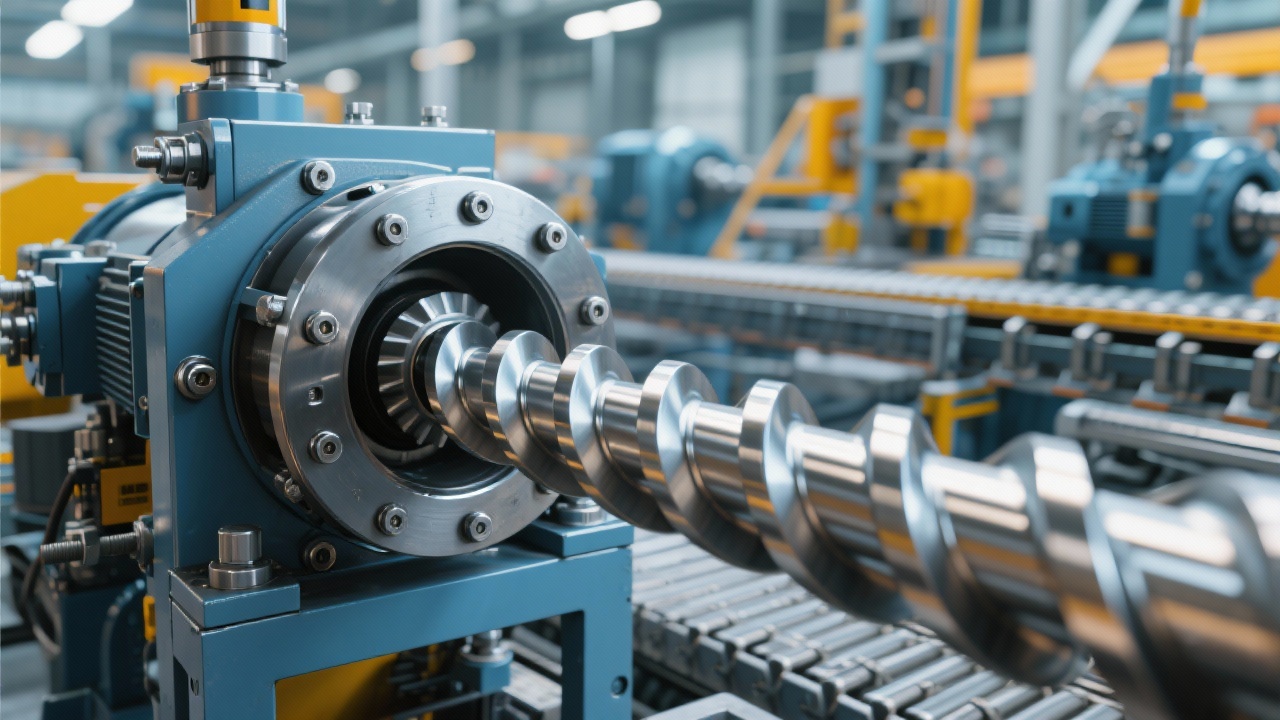
Integrating water-washable, modular chain conveyor systems represents a transformative shift in meeting stringent hygiene demands in food and pharmaceutical manufacturing. By combining optimized materials, cutting-edge sealing strategies, and user-friendly modularity, these systems enable compliance ease and operational excellence.
Discover More About Modular Chain Conveyor Design & Download Our Technical Whitepaper

With increasing regulatory scrutiny and consumer demand for product safety, adopting industrial conveyor systems engineered specifically for rigorous water-washed environments is not just advantageous—it’s imperative. Advances in materials science and mechanical design continue to push the limits of hygiene and efficiency, underscoring the role of water-washable conveyors as an indispensable asset in Clean-in-Place operations.
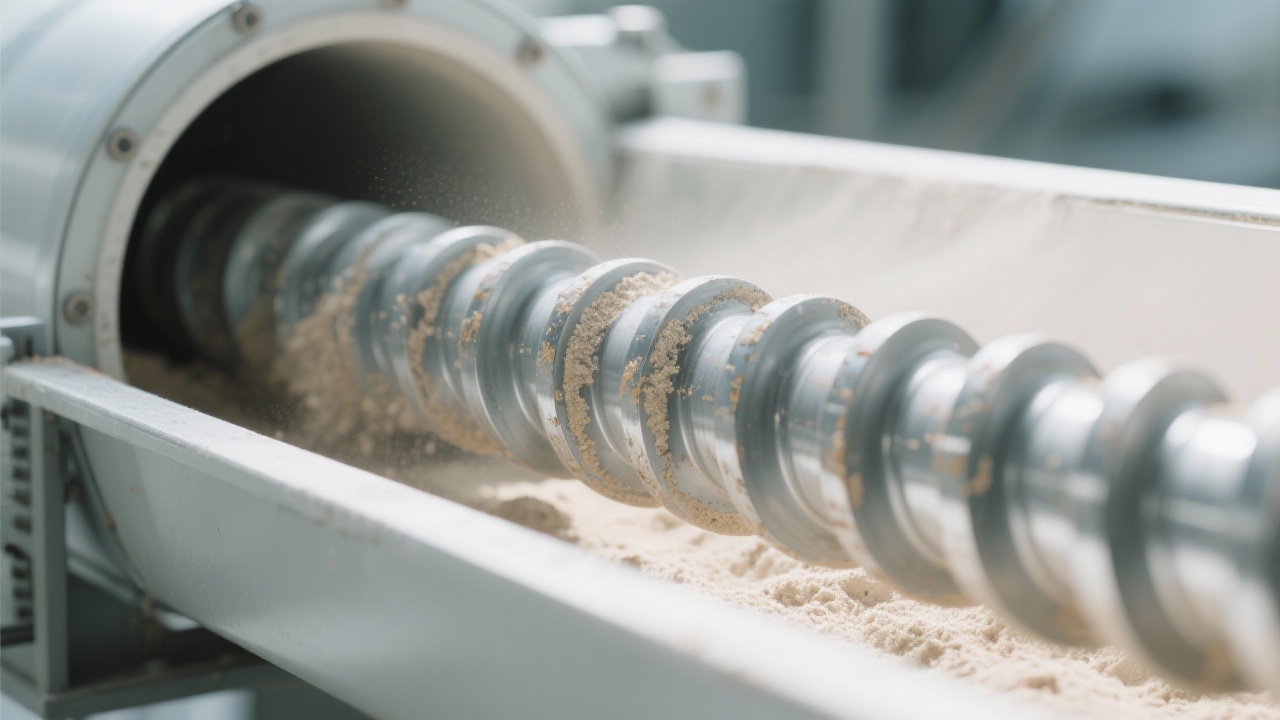


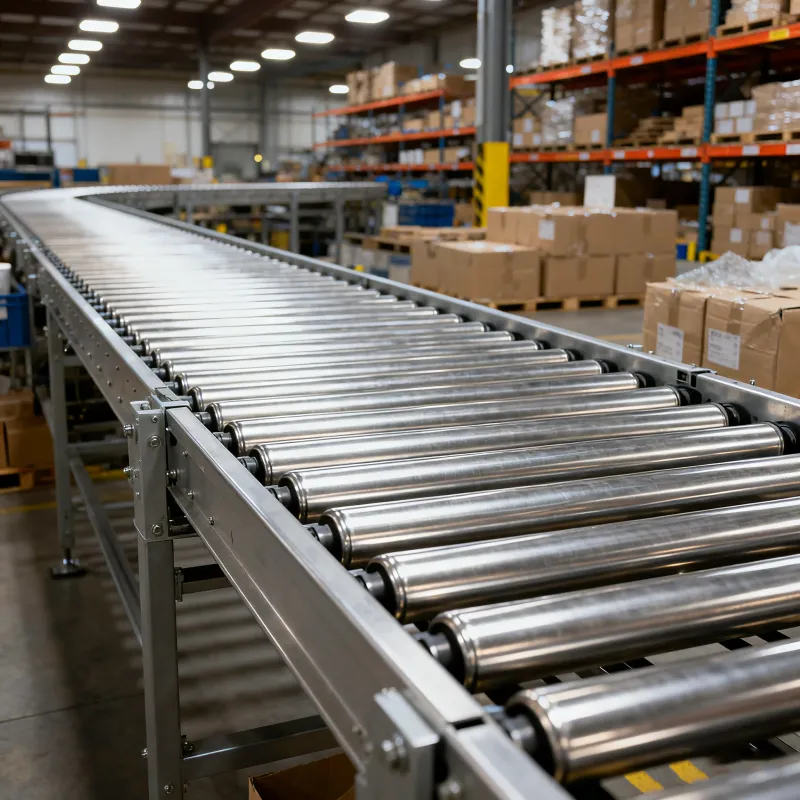
 70
|
70
|
 custom mesh belt conveyor
paper industry conveyor equipment
inclined conveyor solution
material handling challenges
industrial conveyor integration
391
|
bucket elevator maintenance
bucket elevator troubleshooting
conveyor belt misalignment
chain bucket elevator lubrication
preventive maintenance for bucket elevators
402
|
Heavy - duty screw conveyor
Multi - point feeding and discharging
High - efficiency dust - free transportation
Material conveying equipment
Industrial screw conveyor
419
|
Mesh belt conveyor
High - capacity material handling
Customized design
Separated traction chain
Industrial equipment on - time delivery
197
|
custom mesh belt conveyor
high capacity conveyor system
non-standard conveying solution
industrial conveyor integration
heat-resistant conveyor equipment
custom mesh belt conveyor
paper industry conveyor equipment
inclined conveyor solution
material handling challenges
industrial conveyor integration
391
|
bucket elevator maintenance
bucket elevator troubleshooting
conveyor belt misalignment
chain bucket elevator lubrication
preventive maintenance for bucket elevators
402
|
Heavy - duty screw conveyor
Multi - point feeding and discharging
High - efficiency dust - free transportation
Material conveying equipment
Industrial screw conveyor
419
|
Mesh belt conveyor
High - capacity material handling
Customized design
Separated traction chain
Industrial equipment on - time delivery
197
|
custom mesh belt conveyor
high capacity conveyor system
non-standard conveying solution
industrial conveyor integration
heat-resistant conveyor equipment