.png?x-oss-process=image/resize,h_100,m_lfit/format,webp)
.png?x-oss-process=image/resize,h_100,m_lfit/format,webp)
.png?x-oss-process=image/resize,h_100,m_lfit/format,webp)
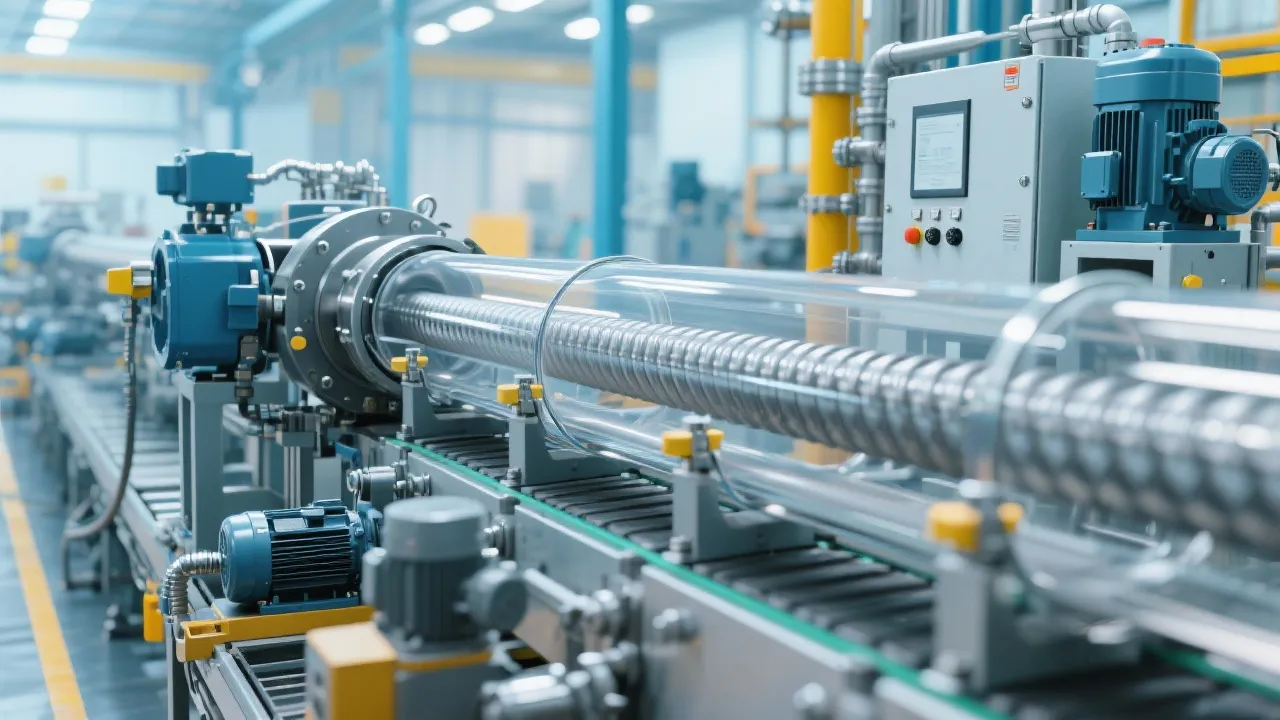
In the food and beverage industry, hygiene isn’t just a best practice—it’s a compliance requirement. Every conveyor system must meet stringent standards like CIP (Clean-in-Place) protocols to ensure microbial safety, product integrity, and regulatory alignment across global markets.
Yet many facilities still rely on outdated chain plate conveyors that trap moisture, harbor biofilm, and require labor-intensive manual cleaning—costing up to 40% more in labor and downtime annually (based on internal data from a leading European dairy plant).
| Feature | Standard Chain Plate | Hygienic Water-Washable Design |
|---|---|---|
| Material Resistance | Carbon steel with coating | 304/316L Stainless Steel + FDA-approved Engineering Plastics |
| Sealing & Drainage | Open joints, prone to water pooling | Sealed welds + anti-drip channels reduce microbial risk by 70% |
| Maintenance Time | 2–4 hours per clean cycle | Under 30 minutes using modular quick-release design |
This gap is where advanced hygienic engineering makes a real difference—not only for compliance but also for operational efficiency. At郑州天启机械有限公司 (Zhengzhou Tianqi Machinery Co., Ltd.), their water-washable chain plate conveyors have been deployed in over 200 food processing plants worldwide—from breweries in Germany to snack factories in Vietnam—with documented improvements in sanitation speed and reduced contamination incidents.
A single module can be removed without disassembling the entire line—a key factor in reducing downtime during cleaning cycles. For instance, one client in the U.S. reported a 65% reduction in cleaning-related production stoppages after switching to modular stainless steel chain plates with snap-fit connectors.
Moreover, materials matter deeply. While carbon steel may seem cost-effective upfront, it corrodes under repeated exposure to acidic or alkaline cleaners used in CIP systems. In contrast, 316L stainless steel maintains structural integrity even after 10,000+ wash cycles—making it ideal for high-frequency sanitization environments.
For quality managers and process engineers, investing in hygienic conveyors isn’t an expense—it’s a strategic safeguard. It ensures consistency in product safety, reduces rework costs, and strengthens brand trust among consumers and regulators alike.


 313
|
313
|
 bucket elevator maintenance guide
conveyor capacity reduction causes
chain elevator lubrication methods
belt misalignment troubleshooting
bucket elevator fault diagnosis
107
|
heavy-duty screw conveyor selection
screw conveyor sealing technology
powder material conveying solutions
industrial screw conveyor parameters
dust-free material transport equipment
474
|
Heavy-duty screw conveyor
Dust-free conveying
Sealed conveyor
Industrial dust control
Material conveying equipment
197
|
custom mesh belt conveyor
high capacity conveyor system
non-standard conveying solution
industrial conveyor integration
heat-resistant conveyor equipment
212
|
custom conveyor belts
non-standard conveying equipment
industrial material handling solutions
separated chain structure
efficient continuous conveyor system
bucket elevator maintenance guide
conveyor capacity reduction causes
chain elevator lubrication methods
belt misalignment troubleshooting
bucket elevator fault diagnosis
107
|
heavy-duty screw conveyor selection
screw conveyor sealing technology
powder material conveying solutions
industrial screw conveyor parameters
dust-free material transport equipment
474
|
Heavy-duty screw conveyor
Dust-free conveying
Sealed conveyor
Industrial dust control
Material conveying equipment
197
|
custom mesh belt conveyor
high capacity conveyor system
non-standard conveying solution
industrial conveyor integration
heat-resistant conveyor equipment
212
|
custom conveyor belts
non-standard conveying equipment
industrial material handling solutions
separated chain structure
efficient continuous conveyor system