.png?x-oss-process=image/resize,h_100,m_lfit/format,webp)
.png?x-oss-process=image/resize,h_100,m_lfit/format,webp)
.png?x-oss-process=image/resize,h_100,m_lfit/format,webp)
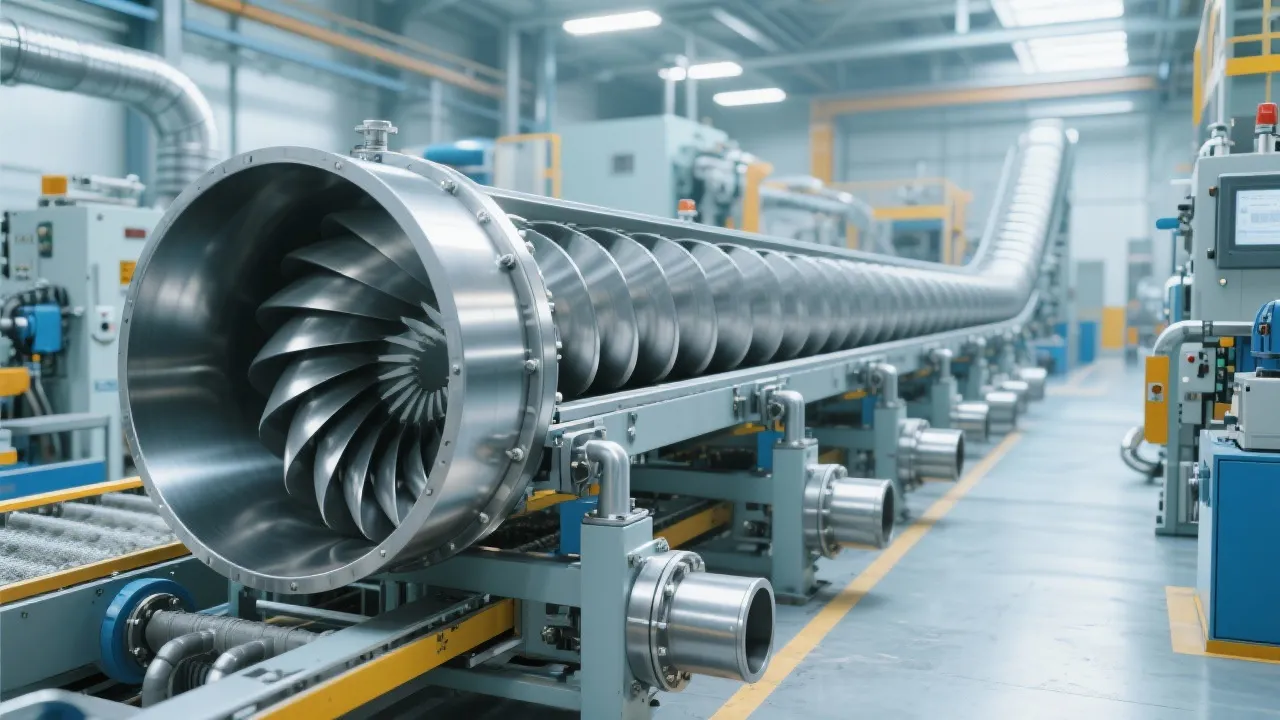
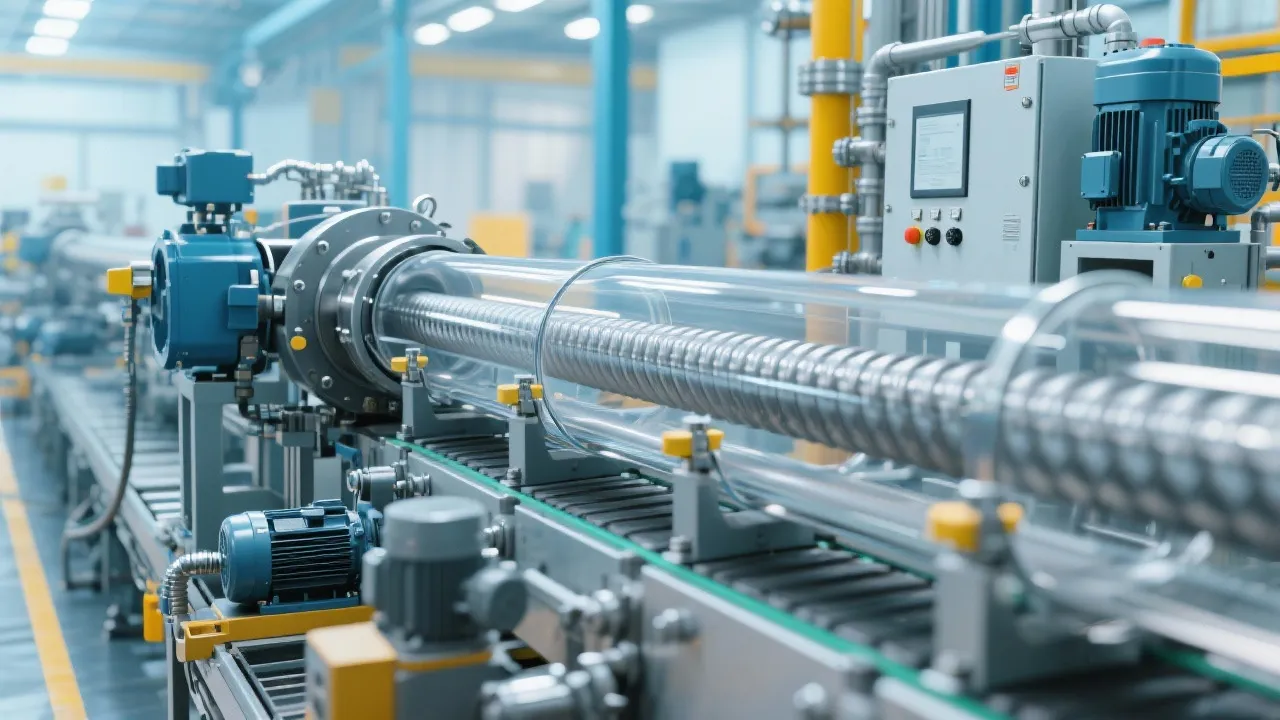
In today’s global food and beverage industry, hygiene isn’t just a best practice—it’s a regulatory requirement. According to the FDA’s Current Good Manufacturing Practices (CGMP), equipment must be designed to allow for effective cleaning and sanitization. That’s where washable chain conveyor systems from Zhengzhou Tianqi Machinery Co., Ltd. come in—not as a luxury, but as an essential engineering solution.
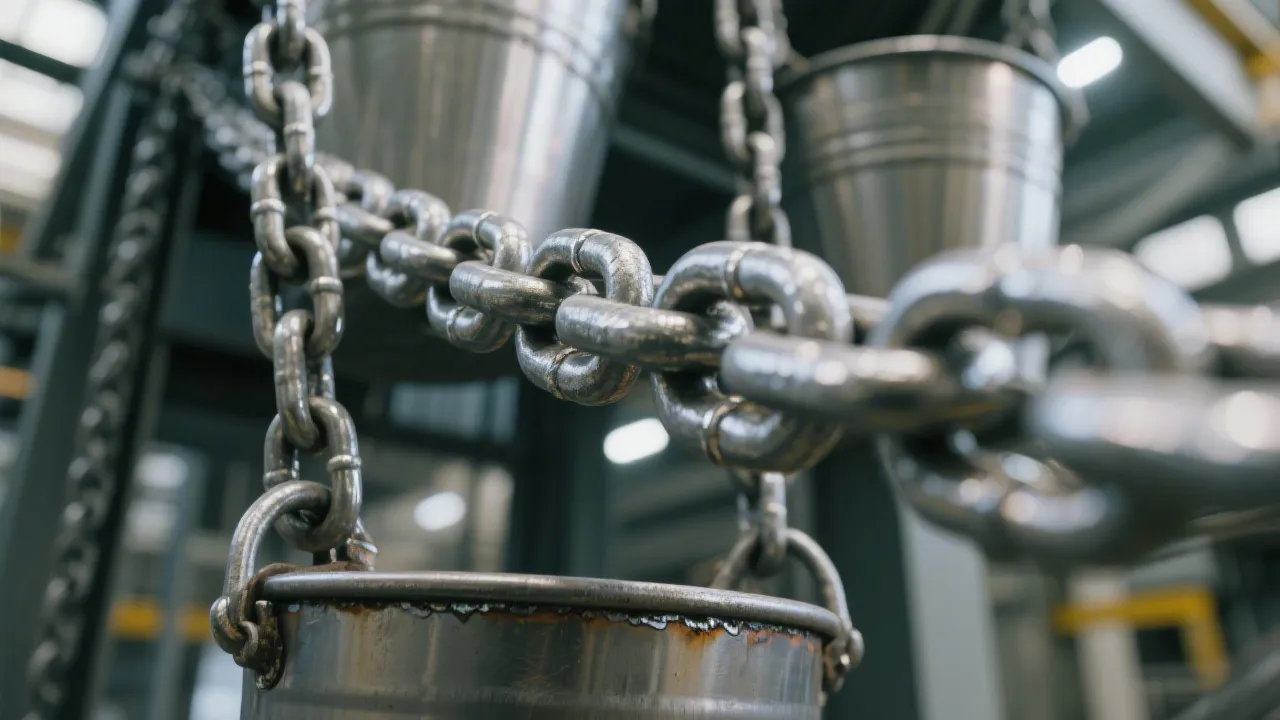
When it comes to sanitation, material selection is critical. Stainless steel (SS304/SS316L) remains the gold standard for wet environments due to its corrosion resistance and non-reactivity with food-grade chemicals. However, engineering plastics like POM (acetal) or PEHD offer lightweight alternatives that reduce wear on drive components and minimize microbial harborage points.
A real-world test at a European dairy plant showed that stainless steel chain links reduced bacterial counts by 92% after CIP cycles compared to traditional carbon steel—while plastic sprockets decreased maintenance downtime by 35%. The key? Seamless integration of both materials into a single system optimized for cleanability.
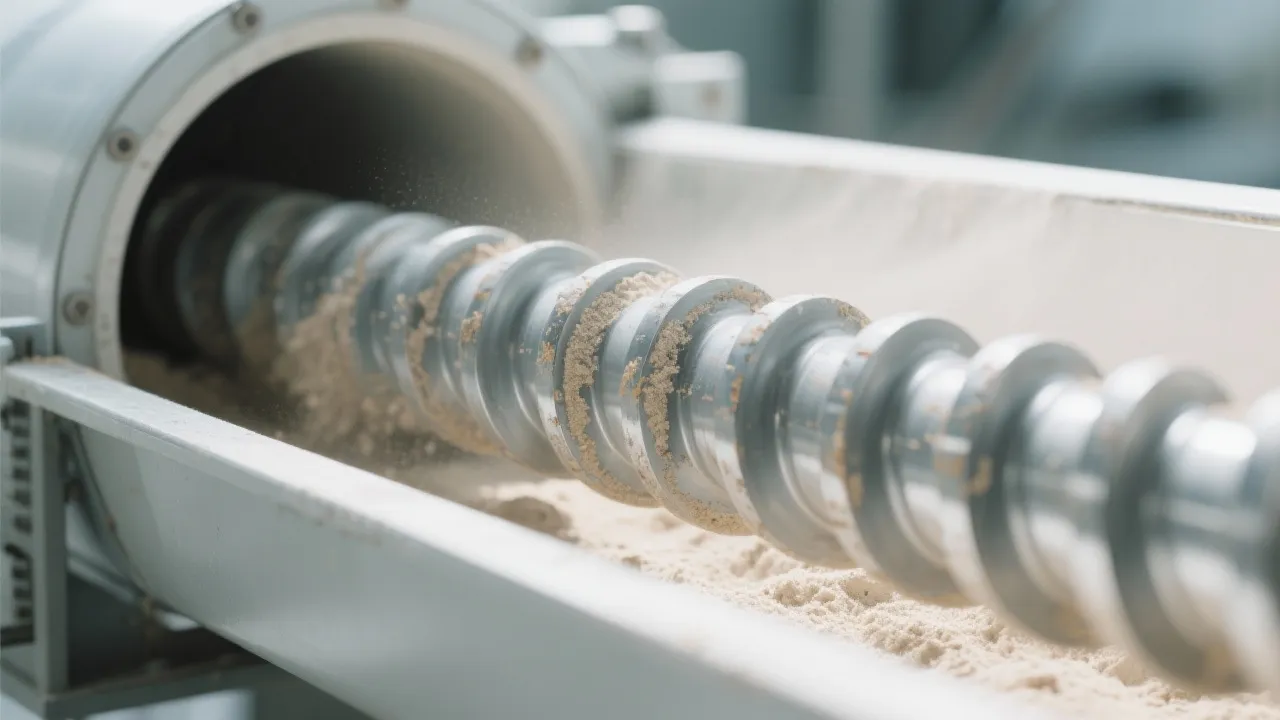
Many “washable” conveyors fail because they’re not truly sealed. At Tianqi, we use double-seal gasket joints and drainage groove structures that prevent water pooling—a common breeding ground for Listeria and Salmonella.
One client in the U.S. reported a 70% reduction in post-cleaning microbial residue when switching from open-chain designs to our patented sealed modules. In fact, our engineers now recommend a minimum 5° incline on all horizontal sections to ensure gravity-assisted drainage during rinse cycles.

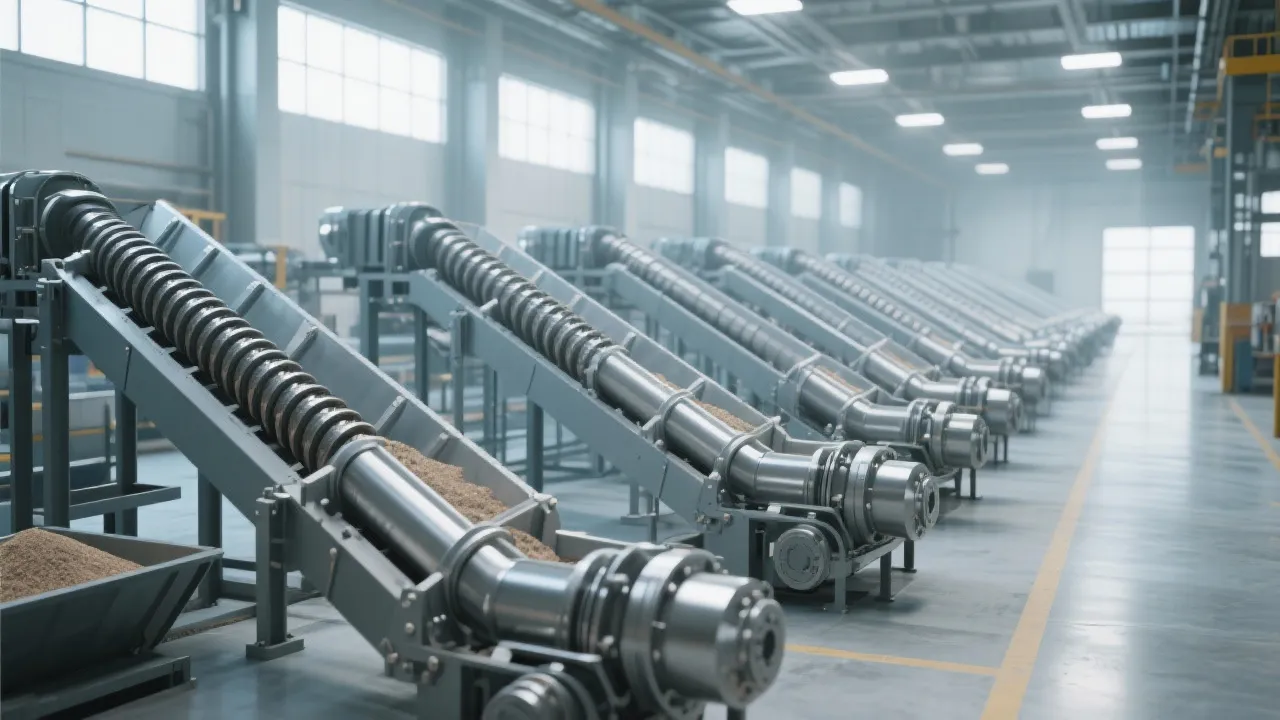
The secret to high-throughput operations lies in how fast you can disassemble and reassemble your system. Our modular design allows technicians to remove entire sections in under 15 minutes without tools—reducing cleaning time from 4 hours to just 1 hour per shift.
This flexibility also supports line reconfiguration. A snack manufacturer in Dubai used this feature to switch between dry and wet processing lines within 30 minutes—cutting changeover costs by nearly 60% annually.
It’s easy to assume that “cleanable” means “more expensive.” But data tells another story:
These aren’t hypotheticals—they’re outcomes from clients across Europe, North America, and Southeast Asia who’ve adopted our hygienic chain conveyor technology.
If you're serious about compliance, efficiency, and safety in your production process, it's time to move beyond basic conveyors. Whether you're scaling up or optimizing existing lines, our engineered washable solutions are built for performance—and peace of mind.
Download Our Technical Whitepaper: "Designing for Cleanability in Industrial Conveyors"



 243
|
243
|
 heavy-duty screw conveyor
dust-free material handling
screw conveyor selection guide
industrial conveying solutions
sealed screw conveyor
234
|
CIP cleaning system
food grade conveyor belt
stainless steel chain plate
modular conveyor design
industrial food processing equipment
174
|
custom mesh belt conveyor design
industrial material handling efficiency
separated traction chain technology
continuous production line optimization
on-time delivery in manufacturing
275
|
mesh belt conveyor application
cement industry conveyor equipment
paper industry material handling
customized non-standard conveyor
efficient material transport solutions
339
|
heavy belt conveyor maintenance
belt tension adjustment
conveyor preventive maintenance
heavy-duty conveyor systems
belt conveyor lifespan extension
heavy-duty screw conveyor
dust-free material handling
screw conveyor selection guide
industrial conveying solutions
sealed screw conveyor
234
|
CIP cleaning system
food grade conveyor belt
stainless steel chain plate
modular conveyor design
industrial food processing equipment
174
|
custom mesh belt conveyor design
industrial material handling efficiency
separated traction chain technology
continuous production line optimization
on-time delivery in manufacturing
275
|
mesh belt conveyor application
cement industry conveyor equipment
paper industry material handling
customized non-standard conveyor
efficient material transport solutions
339
|
heavy belt conveyor maintenance
belt tension adjustment
conveyor preventive maintenance
heavy-duty conveyor systems
belt conveyor lifespan extension